
High-Protein Meals Without Protein Powder
You don’t need protein powder to eat high-protein. That’s not a controversial claim — most of the foods that are already cheap and easy to find at a regular grocery store contain more than enough protein to meet typical daily targets, if you know which ones to lean on and how to use them. This isn’t an anti-supplement article. It’s a practical one, for anyone who can’t afford protein powder, doesn’t want to buy it, or just prefers eating real food.
Why whole food protein works without powder
Protein powder is a convenience product, not a requirement. It solves a specific problem — getting a large amount of protein quickly, with minimal prep — but whole foods solve the same problem for most people, most days, at a lower cost per gram in many cases, and with other nutrients (fibre, vitamins, minerals) that an isolated powder doesn’t provide. Protein targets vary by person, activity level, and goal — this guide sticks to general, practical guidance rather than specific numbers, since that’s a conversation better had with a registered dietitian for anyone who wants a personalized target.
It’s also worth being honest about where protein powder’s reputation as “necessary” actually comes from: it’s a heavily marketed, high-margin product, and a lot of that marketing leans on making whole food sound inadequate by comparison. That framing serves the company selling the powder more than it reflects the actual nutrition science, which has never suggested that a specific delivery format is required to hit a protein target — only that the total grams across a day matter.
The actual cost comparison, roughly

A tub of whey or plant protein typically costs noticeably more per scoop than whole-food alternatives, depending on the brand and where it’s on sale. Eggs, canned tuna, chicken thighs, and cottage cheese routinely come out cheaper per gram of protein at typical grocery prices — meaning whole foods are frequently cheaper per gram of protein, not just comparable. The exception is convenience: a scoop of powder in a shaker bottle takes 15 seconds, and no whole food matches that for pure speed. The trade-off is cost and nutrient density on one side, speed on the other, and this guide is for days when cost and nutrient density are the priority.
The best whole food protein sources

For a full cost-per-gram breakdown across these categories, see the cheap protein sources guide. Here’s the short version:
- Chicken and eggs — the most accessible, versatile options in almost any kitchen. A large egg provides roughly 6g of protein; a typical chicken thigh serving provides 25–30g.
- Canned tuna and canned salmon — shelf-stable, high protein per can, and require zero cooking skill. A standard can of tuna provides roughly 20–25g of protein.
- Greek yogurt and cottage cheese — two of the highest protein-density foods in the dairy aisle. A cup of cottage cheese provides roughly 25g of protein; Greek yogurt is similar depending on brand and fat content.
- Lentils, beans, and legumes — lower protein per gram than meat or dairy, but very cheap and high in fibre. They work best mixed into a meal rather than eaten as the sole protein source.
- Ground meat (beef, turkey, pork) — flexible, freezer-friendly, and consistently available. Leaner grinds have a slightly higher protein density per gram than fattier ones.
High-protein meals using only these foods

Every one of these is built entirely from the list above, no powder involved:
- High-Protein Chicken Rice Meal Prep Bowls — chicken thighs, rice, broccoli
- Ground Turkey Rice Meal Prep Bowls — the same system, ground turkey instead
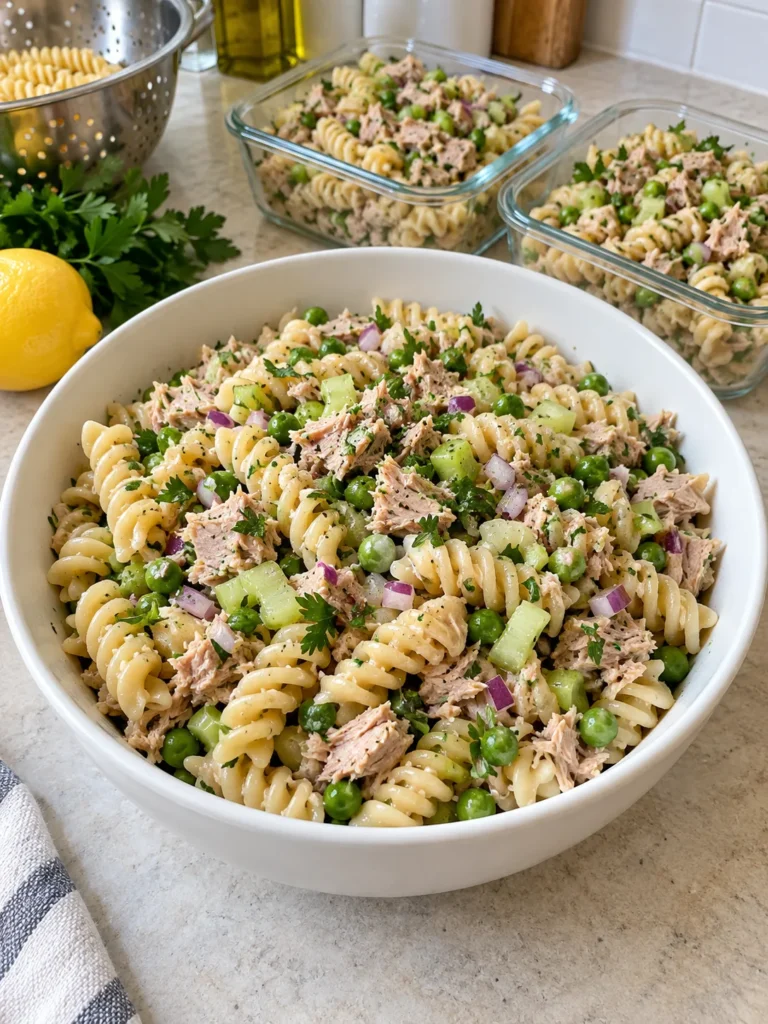
- Budget High-Protein Tuna Pasta — canned tuna, pasta, olive oil
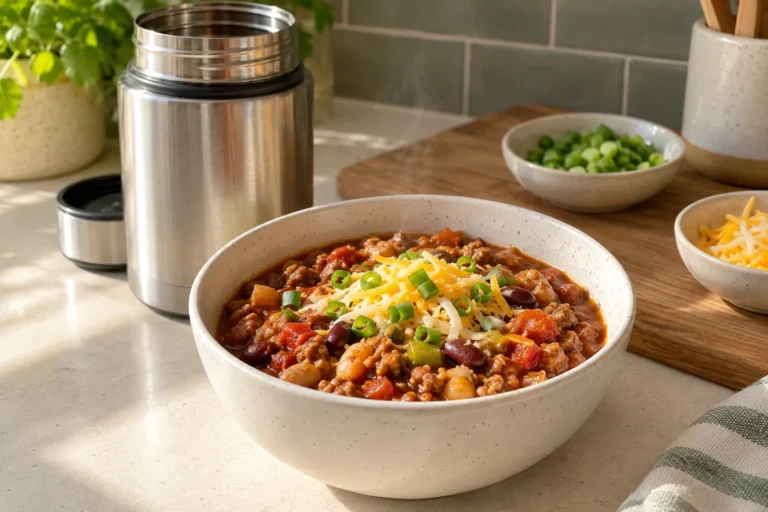
- Budget High-Protein Lentil Chili — dried lentils, canned tomatoes, spices
- Cottage Cheese Cookie Dough — proof that even dessert doesn’t need powder to carry real protein

Satiety: the other reason whole food wins here
A protein shake digests fast and leaves the stomach quickly, which is exactly why it’s popular as a post-workout recovery drink — you want the protein absorbed, not sitting heavy. But that same speed is a disadvantage if the goal is staying full between meals. Whole food protein, especially when it’s paired with some fat and fibre the way a real meal naturally is, slows digestion and extends satiety longer than an isolated powder mixed with water or milk alone. This is part of why a chicken rice bowl keeps most people full for hours while a protein shake of the same gram count often doesn’t — the shake is doing one job well (fast protein delivery), while the meal is doing several jobs at once (protein, fibre, fat, volume).

Building a weekly shopping list around this
A practical approach is picking two or three whole-food proteins to rotate through the week rather than trying to buy everything on the list above at once. A realistic weekly list built around this guide might include a flat of eggs, a few chicken thighs or a pack of ground turkey, a couple cans of tuna, and a tub of cottage cheese or Greek yogurt — four or five items covering breakfast, lunch, and dinner for most of the week without needing to shop again mid-week. Lentils and dried beans are worth keeping in the pantry as a backup even on weeks you don’t plan to use them, since they’re shelf-stable for a long time and don’t go to waste if plans change.

A full day without protein powder

One realistic example, using only whole foods:
- Breakfast: 3 scrambled eggs with a side of cottage cheese — roughly 35–40g of protein
- Lunch: a chicken rice bowl — roughly 40–55g of protein
- Dinner: ground turkey with rice and vegetables, or a bowl of lentil chili — roughly 20–35g of protein, depending on the option
- Snack: a can of tuna or a serving of Greek yogurt — roughly 20–25g of protein

Add that up and it’s well past what most general guidelines suggest for an average adult, entirely from grocery store food. These are rough estimates based on typical values — actual numbers depend on your exact portions and brands. If you want to work out costs for a specific plan like this, the cost per serving guide covers the method.
Notice that none of these four meals and snack require a blender, a shaker bottle, or a specialty ingredient — everything is either stovetop-cooked or needs no cooking at all. That’s deliberate. A day like this is meant to be realistic for someone cooking on a weeknight, not a showcase of what’s possible with unlimited time and equipment.
What if you eat out or don’t cook much?
This whole guide assumes some amount of home cooking, since that’s where the real cost advantage of whole foods shows up. If a given day involves a lot of eating out, the same categories still apply, just at a different price point: a grilled chicken sandwich, a tuna poke bowl, or a Greek yogurt parfait from a café all hit the same whole-food protein sources this guide is built around, without needing a kitchen. The cost advantage shrinks when someone else is cooking for you, but the “no powder needed” point still holds — restaurant and takeout food rarely contains added protein powder anyway, so eating out doesn’t actually create a gap that only a supplement can fill.
Common myths about hitting protein targets without powder
“You need to eat protein the moment you wake up or right after a workout.” Total daily intake matters far more than precise timing for most people’s goals. A chicken rice bowl eaten at noon still counts toward the day’s total just as much as the exact same bowl eaten at 7am would.
“Plant protein doesn’t count as much as animal protein.” Lentils and beans are genuinely lower in protein density than meat or dairy gram-for-gram, but they still count fully toward a daily total, and they bring fibre that animal protein doesn’t. The honest nuance is density, not validity — a cup of lentils contributes real, usable protein, just less of it per cup than a cup of chicken.
“You can’t hit a high protein target without supplements.” The sample day above lands well past typical general guidelines using only grocery store food most people already have some familiarity cooking with. The targets that actually require a shake to hit comfortably tend to be at the very high end of athletic or bodybuilding-specific goals, not general health-focused ones.
When protein powder might still make sense
This isn’t an argument that powder is bad — it has a real place for people who are short on time, traveling, or need a large amount of protein in one sitting without cooking anything. The point here is narrower: it’s not required. If the cost or the taste has been putting you off, whole foods get you to the same place.
There’s also a middle ground worth naming: using powder occasionally — a busy weekday morning, a long travel day — while relying on whole foods the rest of the time. That’s a perfectly reasonable way to use it, and arguably more realistic for most people than treating it as strictly all-or-nothing in either direction.

Frequently asked questions
Is it harder to hit a high protein target without powder?
It takes slightly more planning — you can’t just scoop and go — but it’s not meaningfully harder once a few go-to meals are established. Most of the effort is front-loaded into figuring out your rotation once; after that, it’s closer to routine grocery shopping and cooking than a special effort.
What’s the single easiest whole-food protein to add to any meal?
Eggs, by a wide margin. They’re cheap nearly everywhere, cook in minutes, and pair with almost anything — stirred into a bowl of rice, scrambled on the side of a sandwich, or hard-boiled and added cold to a salad. If you’re only going to build one habit from this guide, keeping eggs stocked and using them more often is the highest-leverage one.
Can vegetarians or vegans hit high protein targets with this approach?
Vegetarians can, relying more heavily on eggs, Greek yogurt, and cottage cheese alongside lentils and beans. Fully vegan diets are more challenging without powder specifically because the highest-density whole-food options (eggs, dairy) are off the table, leaving mostly legumes, tofu, and tempeh — still workable, but it typically takes larger portions and more deliberate meal planning to hit the same gram targets.
Does cooking method affect how much protein you actually get?
Cooking doesn’t meaningfully destroy protein content — a baked, grilled, or pan-fried chicken thigh all contain roughly the same protein regardless of method. What changes is moisture loss: a well-charred, overcooked piece of meat loses water weight and can seem like it has “more” protein per bite simply because it’s smaller and denser, not because cooking created new protein.
Related reading: Best Cheap Protein Sources by Cost Per Gram, Cheap High-Protein Breakfasts, and Cheap High-Protein Meals on a Budget.