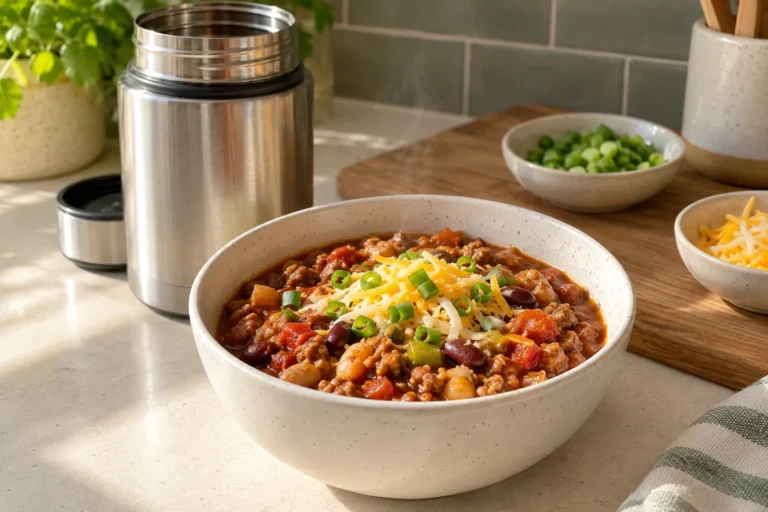
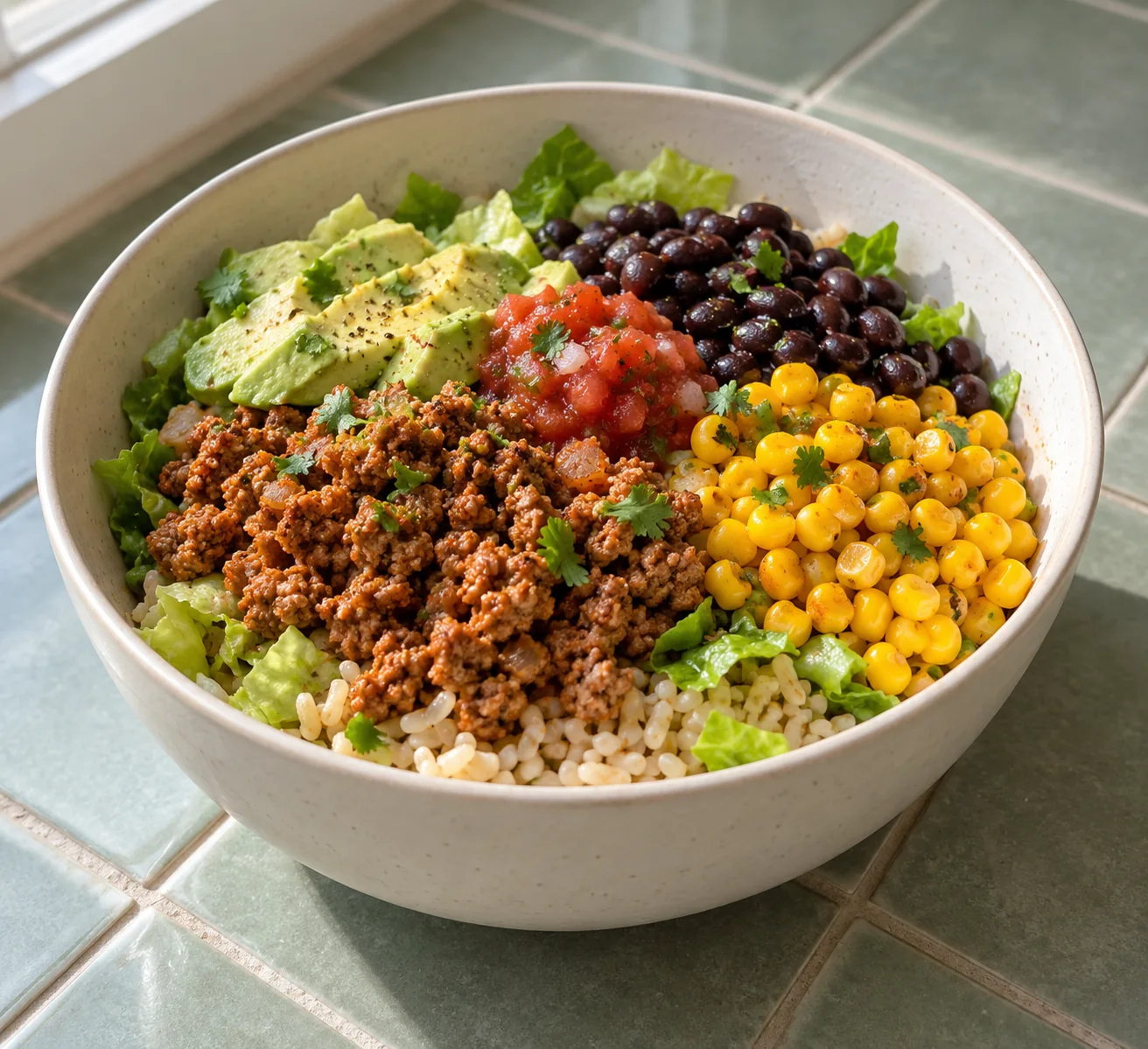
Ground Turkey Rice Meal Prep Bowls
Ground turkey and rice is one of the most reliable combinations for weekly meal prep. It reheats well, stores for four days, and comes together in about 30 minutes. If you already make high-protein chicken rice bowls, this follows the same method — ground turkey often goes on sale more frequently and needs less prep time.
Why ground turkey rice bowls work for cheap meal prep
Ground turkey is one of the more affordable proteins at most grocery stores, especially in larger family-size packs. Unlike chicken breast, it needs no cutting or marinating — just brown it, season it, done.
White rice holds up through the week without going mushy. The turkey stays moist after reheating because of its fat content, and the pan juices absorb into the rice during cooking, adding flavour without extra ingredients.
A 4-serving batch is cheap to make at most budget stores. Catch turkey on sale and the cost drops further.
Ingredients you need

Makes 4 servings. All of these are available at any major major grocery chain. For a broader list of what to keep stocked, see the cheap protein grocery list.
- 500g (about 1 lb) lean ground turkey
- 1 cup dry long-grain white rice or basmati
- 2 cups water or chicken broth (for the rice)
- 1 tbsp vegetable or canola oil
- 1 small onion, diced
- 2 cloves garlic, minced (or 1 tsp garlic powder)
- 1 tsp paprika
- 1 tsp cumin
- 1/2 tsp salt
- 1/4 tsp black pepper
- 1 cup frozen vegetables, optional (peas, corn, or mixed)
Equipment: a medium pot or rice cooker, a large skillet, and 4 meal prep containers.
How to make ground turkey rice meal prep bowls
Step 1: Cook the rice
Combine 1 cup of dry rice with 2 cups of water in a medium pot. Bring to a boil, then reduce heat to low. Cover and cook for 15 to 18 minutes until the water is absorbed. Remove from heat and rest with the lid on for 5 minutes, then fluff with a fork.

If you have a rice cooker, use the standard white rice setting.
Step 2: Brown the turkey
Heat the oil in a large skillet over medium-high heat. Add the diced onion and cook for 2 to 3 minutes until softened. Add the garlic and cook for another 30 seconds.
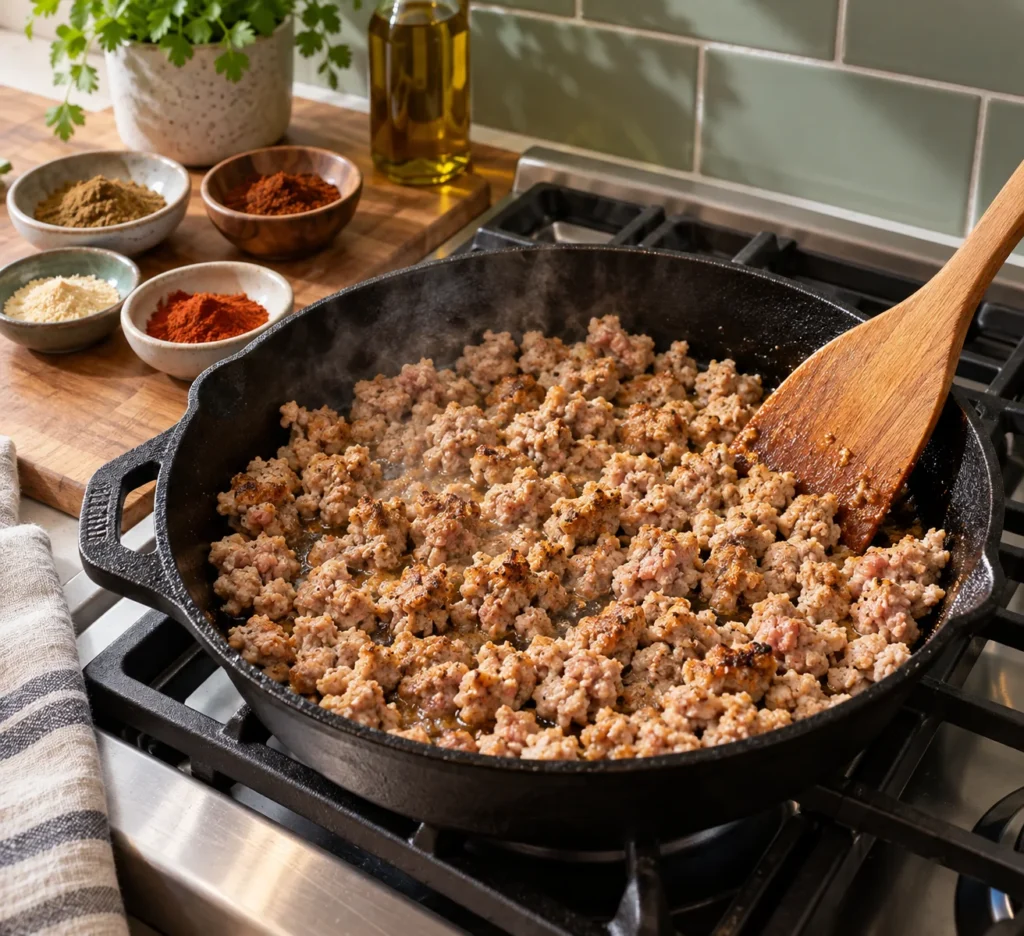
Add the ground turkey. Break it apart with a spatula and cook until no pink remains and the internal temperature reaches 74°C (165°F), about 7 to 10 minutes. You want some light browning on the bottom for flavour.

Step 3: Season and add vegetables
Add the paprika, cumin, salt, and black pepper. Stir to coat the turkey evenly. If you’re using frozen vegetables, add them now and stir until heated through, about 3 to 4 more minutes. Taste and adjust seasoning.

Step 4: Portion into containers
Divide the cooked rice evenly across 4 meal prep containers. Add the seasoned turkey on top or beside the rice. Let cool for 10 to 15 minutes before sealing, then refrigerate.

How to make this recipe cheaper
Ground turkey prices shift by store, city, and sale cycle. The cheap high-protein meal prep guide covers where to find the best protein deals by category.
- Buy the larger pack. A 900g or 1kg pack is almost always cheaper per gram than the 500g version. Freeze half if you don’t need it this week.
- Use white rice. White rice is cheaper per kilogram than brown and cooks faster. The cost gap adds up over time.
- Use garlic powder instead of fresh garlic. Same result in this recipe, lower cost per use.
- Add frozen vegetables. A cup of frozen peas or mixed vegetables adds volume without raising the cost much. Frozen is generally cheaper per gram than fresh.
- Shop the flyer sales. Ground turkey goes on sale regularly at No Frills, Food Basics, and Walmart. Buying on sale and freezing in portions is the most consistent way to cut your weekly protein cost.

Simple swaps
- Ground turkey to ground beef or ground chicken. Ground beef is more filling. Ground chicken is close to turkey in protein and flavour. Use whichever is cheapest that week.
- White rice to brown rice or basmati. Brown rice takes about 40 minutes instead of 18 but works the same way. Basmati is a good option if you want a change.
- Paprika and cumin to taco seasoning. One tablespoon of store-brand taco seasoning replaces both spices and costs next to nothing per batch.
- Fresh garlic and onion to powders. Cuts prep time and works well in this recipe.
- Oil to cooking spray. Either works. Use whatever you have on hand.
How to store and reheat
Fridge
Store in airtight containers in the fridge for up to 4 days. Health Canada recommends consuming cooked ground meat within 3 to 4 days. Glass or BPA-free plastic containers both work.
Freezer
These bowls freeze well for up to 2 months. The turkey holds up after thawing. The rice softens slightly but the difference is minor. Thaw in the fridge overnight before reheating.
Reheating
Microwave on medium-high for 2 to 3 minutes until steaming throughout, reaching an internal temperature of 74°C (165°F). Add a small splash of water before reheating if the rice looks dry — this keeps it from going hard. Cover loosely with a paper towel or the container lid slightly ajar to avoid splatter.
Cost per serving
Actual costs depend on the store, your city, and what is on sale. These are estimates, not exact pricing.
A 500g pack of lean ground turkey is a moderate grocery expense, varying by retailer and whether it is on sale. A 1kg bag of long-grain white rice is cheap and covers many batches. Frozen vegetables add a small amount per batch.
Based on 500g lean ground turkey (93/7 fat) and 1 cup dry white rice divided into 4 servings, each bowl is approximately 390 to 430 calories and 27 to 32 grams of protein. The actual number shifts with the fat percentage of your turkey and how much oil you use.
For a 4-serving batch, the cost per serving stays cheap at most budget-friendly stores. Use the cost-per-serving calculator guide to work out the exact number from what you paid.
What to serve with it
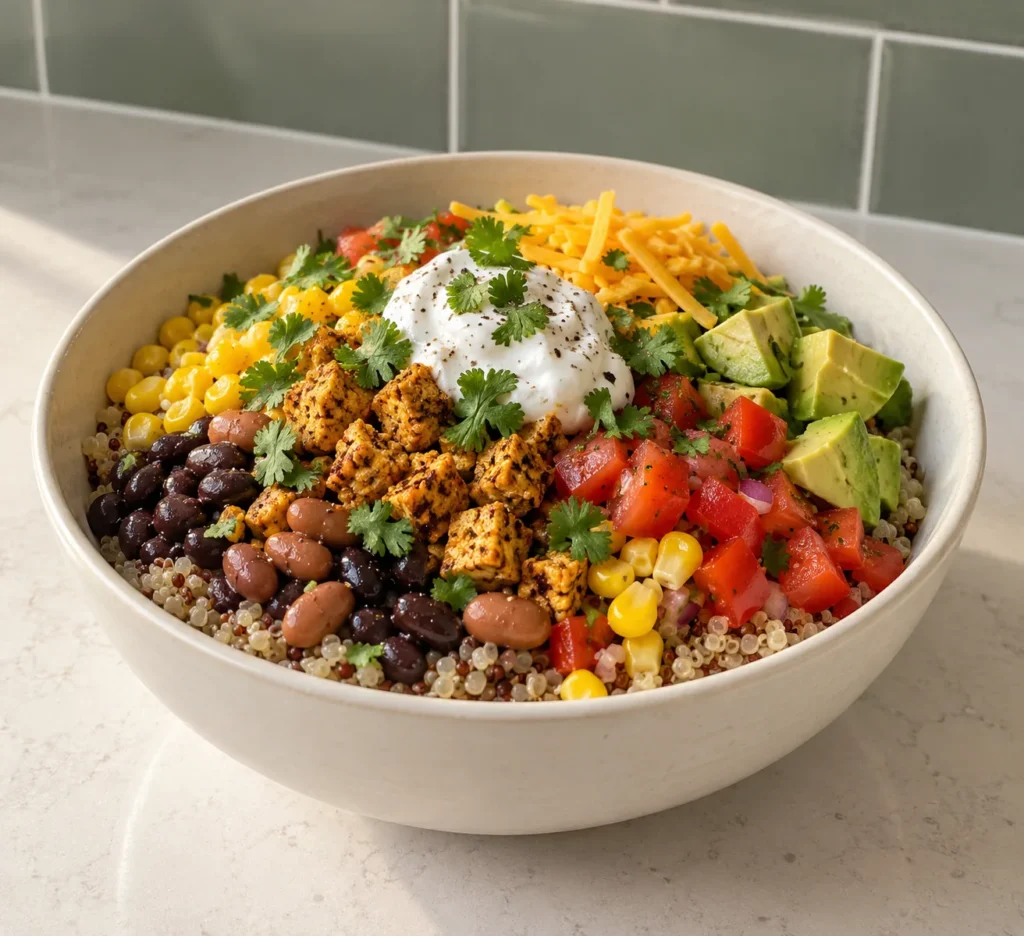
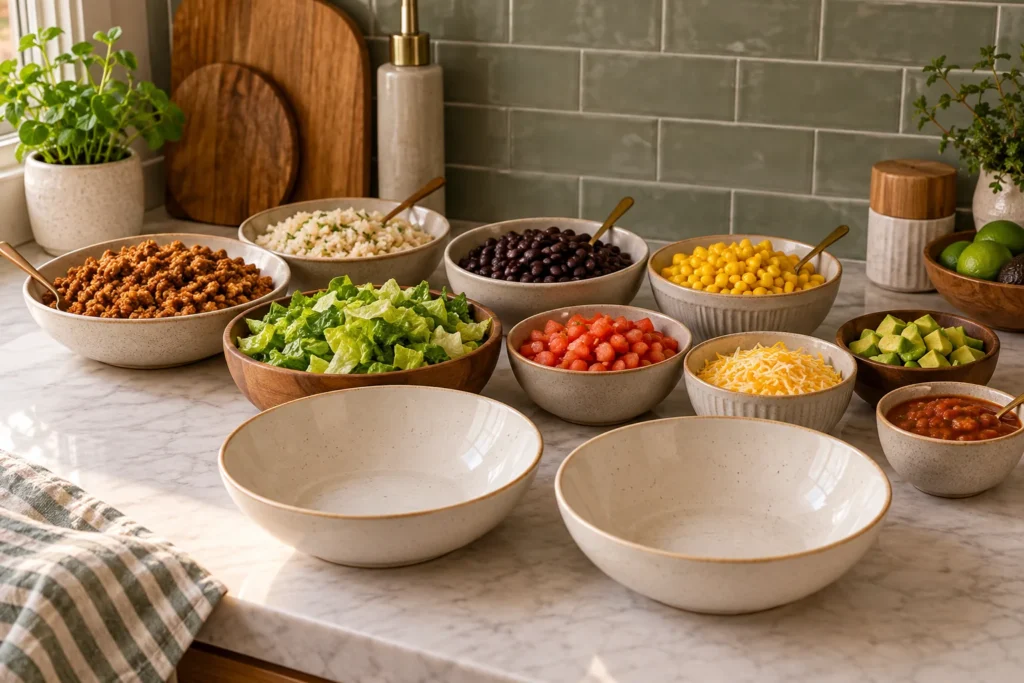
These bowls are complete on their own, but simple sides add variety through the week.
- Hot sauce or salsa on the side — adds flavour with no extra cooking
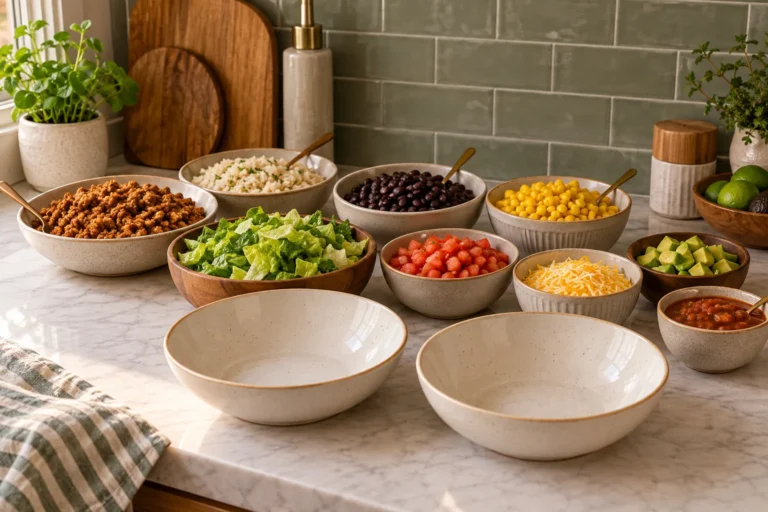
- Shredded lettuce or cabbage for crunch, added at serving time so it stays fresh
- Half an avocado if it fits your budget that week
- A fried or hard-boiled egg on top for more protein
- Plain Greek yogurt instead of sour cream — cheap protein boost
More budget protein guides
- High-protein chicken rice meal prep bowls — the chicken version of this recipe
- Cheap high-protein meal prep — how to plan a full week of budget protein meals
- Cheap protein grocery list — what to buy to keep protein costs low
- Best cheap protein sources — cost per gram across common Canadian options
- How to calculate cost per serving — track exactly what each batch costs you
FAQ
Can I use extra-lean ground turkey?
Yes. Extra-lean ground turkey (under 7% fat) works fine here. It may be slightly drier after reheating. Adding a small splash of water or chicken broth during cooking helps with this.
How many calories are in each bowl?
Based on 500g lean ground turkey (93/7 fat) and 1 cup dry white rice divided into 4 servings, each bowl is approximately 390 to 430 calories and 27 to 32 grams of protein. The actual number shifts with the fat percentage of your turkey and how much oil you use. Check the nutrition labels on your specific products for a precise count.
Can I meal prep this for 5 days instead of 4?
Health Canada recommends keeping cooked ground meat in the fridge for 3 to 4 days. For a 5-day week, freeze 1 or 2 of the portions on Sunday and thaw in the fridge Wednesday night for Thursday and Friday.
Where do I buy ground turkey in Canada?
Ground turkey is available at most major major grocery chains including Walmart, No Frills, Food Basics, Loblaws, Sobeys, and Costco. Costco carries it in larger packs, which lowers the per-gram cost if you have freezer space.
Is ground turkey healthier than ground beef?
Lean ground turkey typically has less fat than regular ground beef, but the difference depends on the fat percentage of each product. Both are solid protein sources. For this site, the main case for ground turkey is cost — it often goes on sale cheaper per gram of protein than beef. See the cheap protein sources guide for a cost-per-gram comparison.