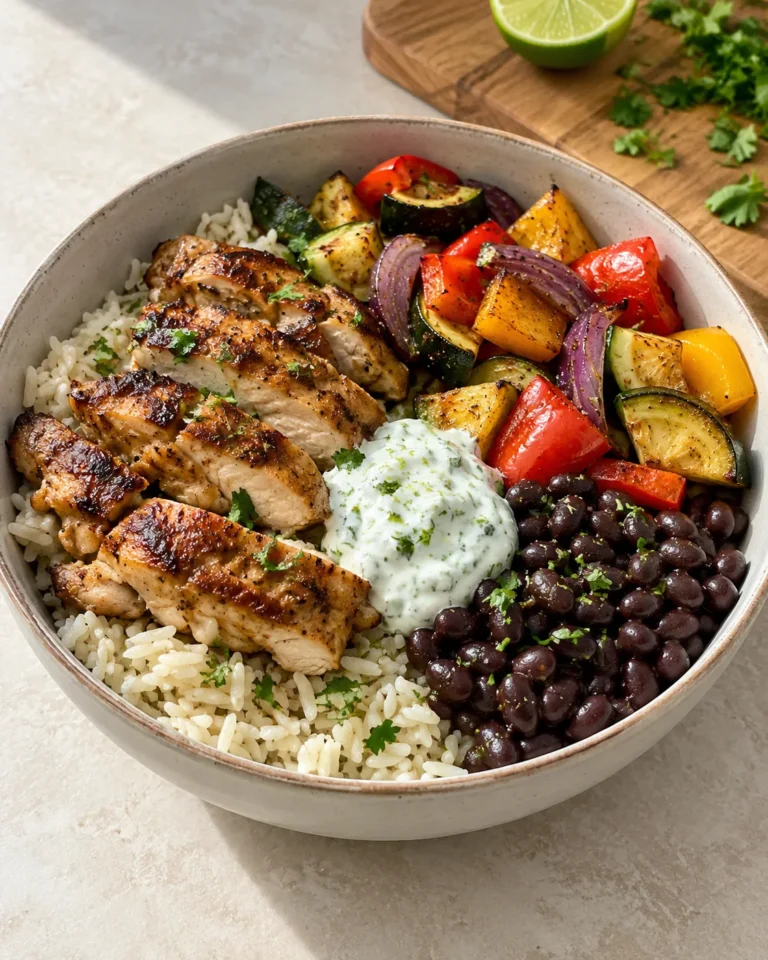
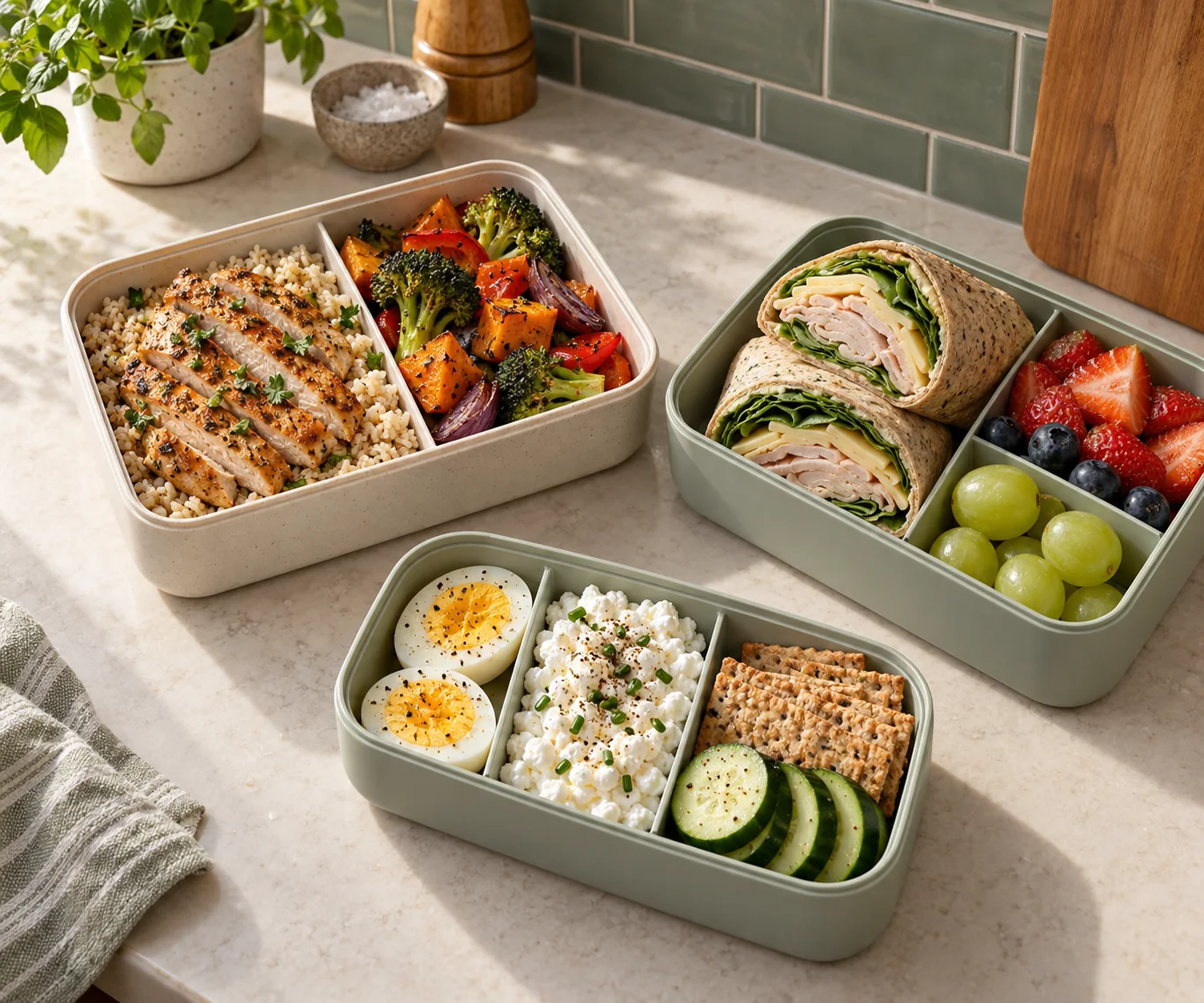
Cheap High-Protein Lunch Meal Prep for Work
Even a basic lunch bought near most workplaces gets expensive fast once you add a drink. Do that five days a week and it adds up to real money — often more than an entire week of groceries. The alternative isn’t a complicated meal prep hobby. It’s picking one or two of the options below, making a bigger batch than you need for dinner, and splitting the extra into containers before the week starts.
Skipping lunch instead doesn’t actually save money either — it just moves the spending (and the hunger) to later in the day, usually in the form of a bigger dinner or an expensive snack. This guide isn’t about a perfect lunch box. It’s about having something ready so you stop deciding what to eat at noon when you’re already hungry and out of good options.
What actually makes a lunch meal-prep-friendly
Three things matter more than taste when you’re choosing what to prep: it has to pack without leaking, it has to either reheat well or taste fine cold, and it has to hold up in the fridge for at least 3–4 days without the texture falling apart. A lot of recipes that are great fresh fail on at least one of those. Every option below was picked because it passes all three.
If your workplace doesn’t have a microwave, stick to the options marked “works cold” below — there’s no need to limit yourself to sad desk salads.
Why bland lunches are usually a seasoning problem, not a recipe problem
A common reason people give up on meal-prepped lunches is that the food tastes noticeably worse by day three or four, even when it technically kept fine. Most of the time this isn’t actually spoilage — it’s that spices and seasoning mellow and fade over several days in the fridge, especially in anything reheated repeatedly. The fix is seasoning slightly heavier than feels necessary on cooking day, since the flavour you taste fresh out of the pan on Sunday is close to the ceiling of what day four will taste like, not the floor. Keeping a small container of hot sauce, extra salt, or a squeeze of lemon at your desk for exactly this purpose is a simple, low-effort fix that solves most “this got boring” complaints without changing a single recipe.
5 cheap high-protein lunches worth prepping

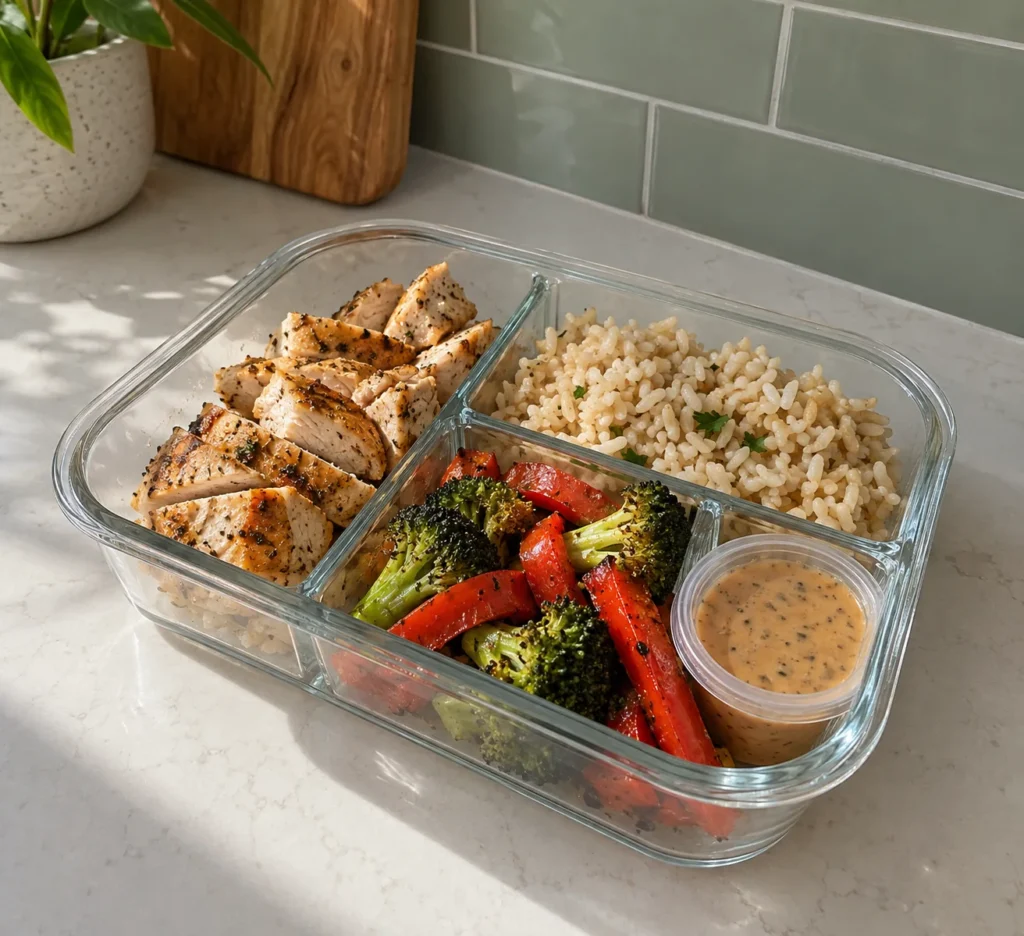
1. Chicken rice bowls
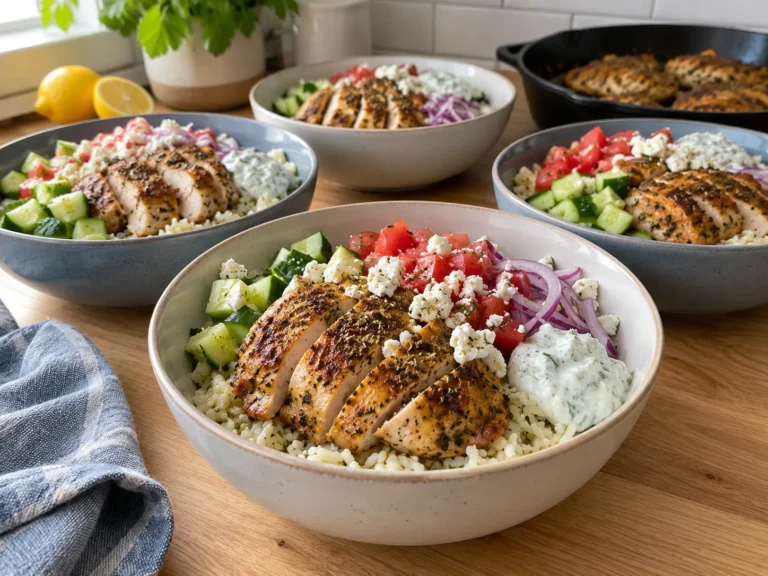
Reheats perfectly, holds for 3–4 days, and the protein and carb combination keeps you full until dinner. The full recipe is in High-Protein Chicken Rice Meal Prep Bowls.
2. Ground turkey rice bowls
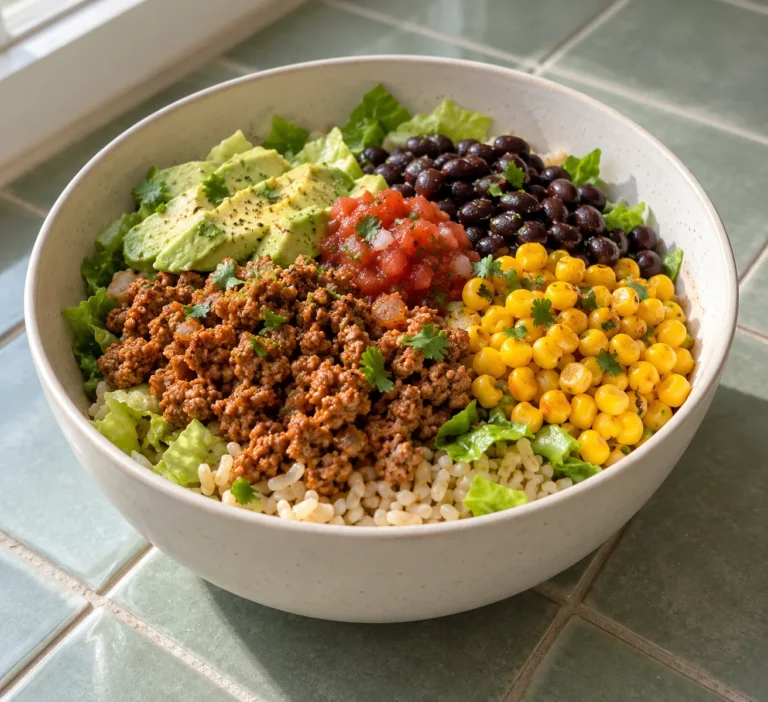
Same system as the chicken version, often slightly cheaper, and no cutting required since the turkey is already ground. See Ground Turkey Rice Meal Prep Bowls.
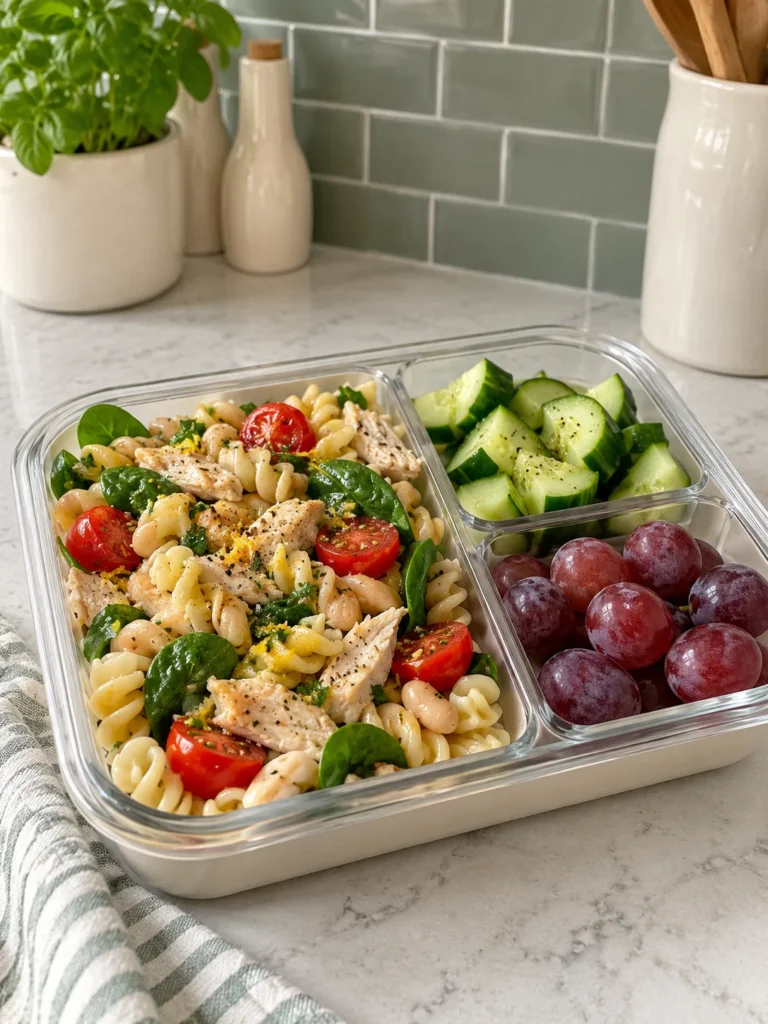
3. Tuna pasta (works cold)
One of the cheapest options on this list and designed to be eaten cold, so it’s the easiest choice if you don’t have access to a microwave. Full recipe: Budget Tuna Pasta Meal Prep.

4. Lentil chili with rice
A plant-based option that freezes exceptionally well, so you can make one big batch and pull containers from the freezer for weeks instead of just the one week. See Lentil Chili Meal Prep.
5. Egg and potato breakfast cups (works cold)
Built as a breakfast but works just as well as a cold lunch if you want something different from the four options above. See Egg and Potato Breakfast Meal Prep.

6. High-protein egg muffins (works cold)
Smaller and more portable than the egg and potato cups above, and no fork required — useful if your desk setup makes a bowl awkward. Full recipe: High-Protein Egg Muffins.

7. High-protein chickpea salad (works cold)
No cooking at all, and it genuinely tastes better after sitting a day or two, which makes it one of the few lunches on this list that actively improves across the week instead of just holding steady. See High-Protein Chickpea Salad.
Equipment that actually matters
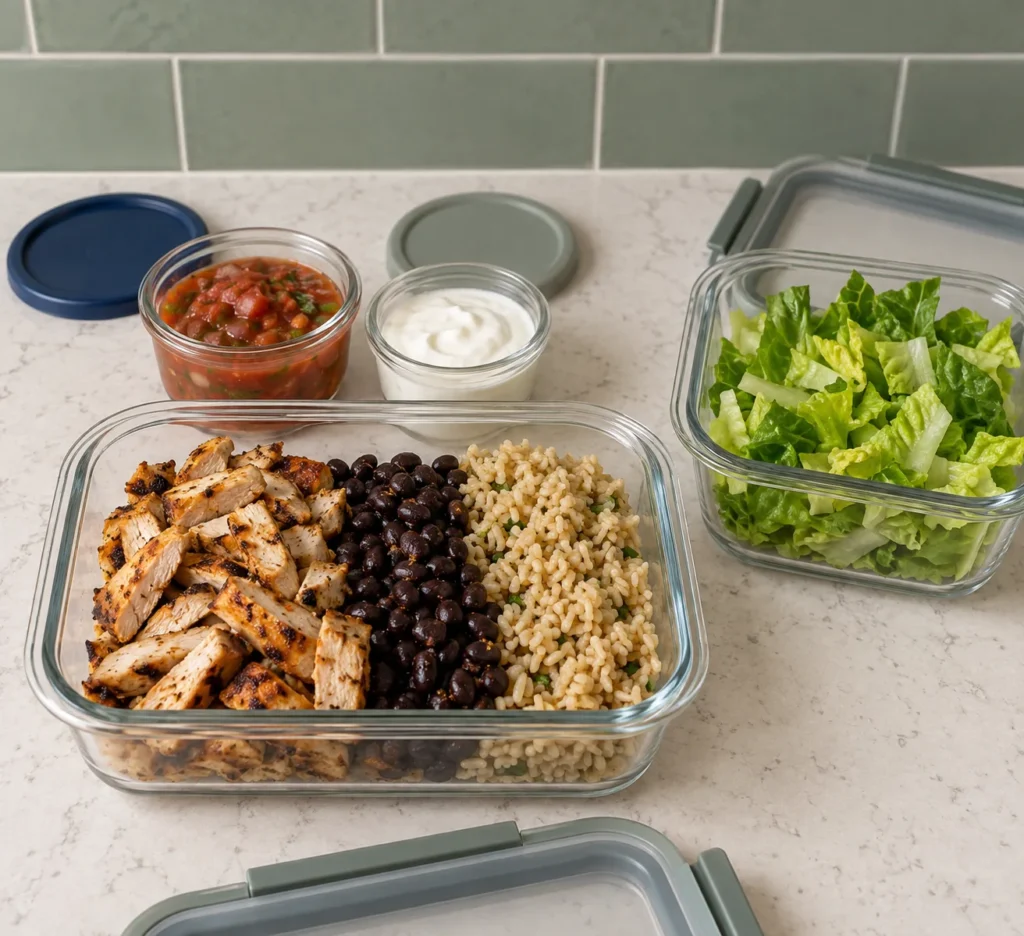
You don’t need a full container system to start, but a few basics make the whole habit noticeably more likely to stick. Leak-proof containers with a tight silicone or locking-clip seal are worth the slightly higher price over flimsy disposable ones — a bag that leaks sauce into your work bag once is usually enough to make someone quit meal prepping entirely. Glass containers reheat more evenly than plastic and don’t stain or hold smells the way plastic can after a few rounds of chili or curry, though they’re heavier to carry. If your workplace has no microwave, an insulated lunch bag with a frozen gel pack keeps cold options like the tuna pasta or chickpea salad safely cold for a full workday.
The one-hour Sunday system that actually makes this happen
Pick one protein from the list above. Cook it in bulk. Add one carb. Portion it into containers. That’s the entire system — no colour-coded spreadsheets, no seven different dishes. Trying to prep too many different meals in one session is the most common reason people quit meal prepping after two weeks; one or two proteins done consistently beats five done once. For a full beginner walkthrough with timing, see the Simple Sunday Meal Prep System.
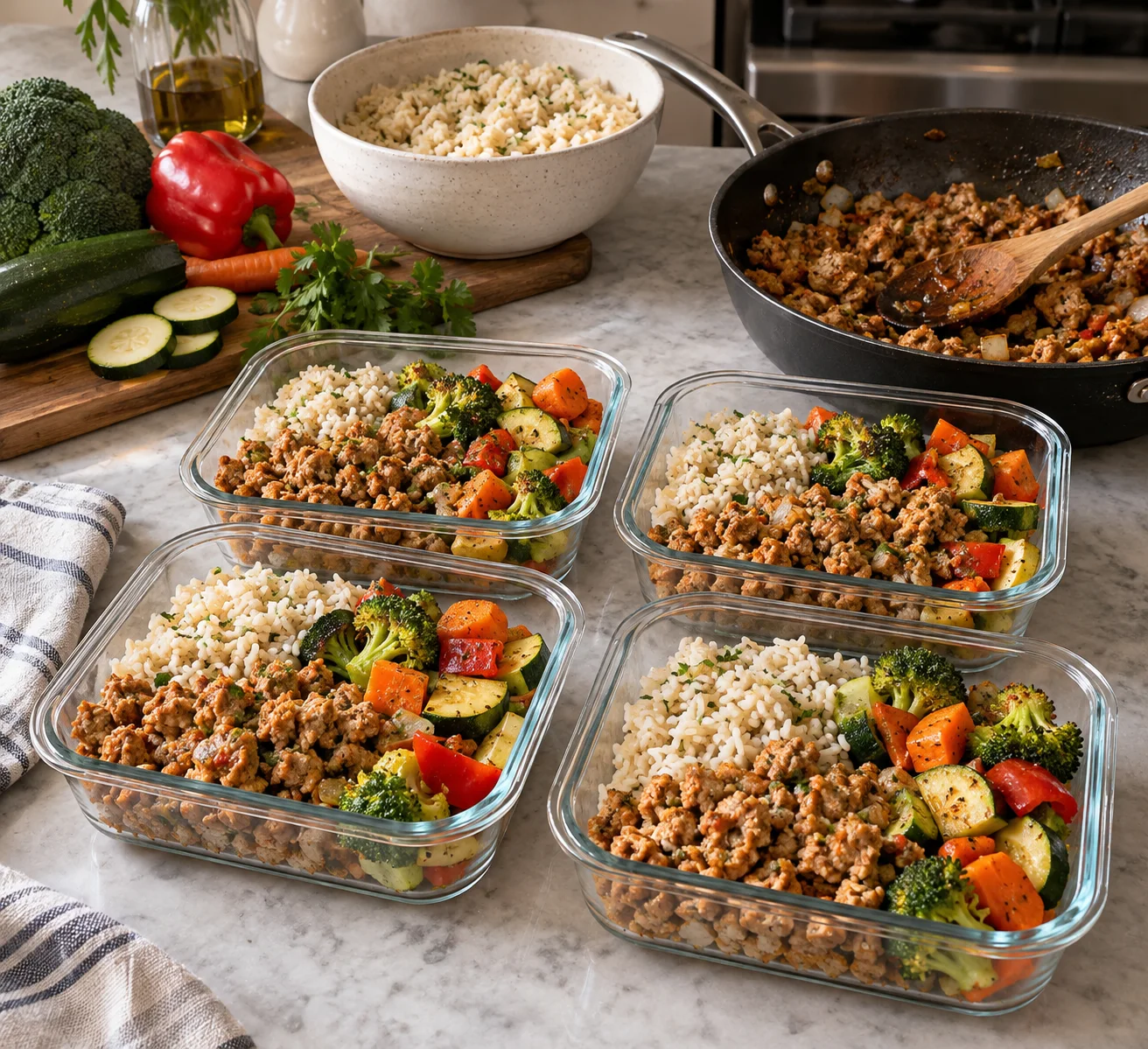
The actual time breakdown for most options above looks something like this: 10 minutes to prep vegetables and measure anything that needs measuring, 20–25 minutes of mostly hands-off cooking time where you’re free to clean up or do something else, and 10–15 minutes to portion everything into containers once it’s cooked. None of those steps require your full attention the entire time, which is part of why an hour of “meal prep” rarely feels like an hour of actual work.

Keeping a two-protein rotation from getting boring
The system above deliberately limits you to one or two proteins at a time, which is efficient but can get repetitive if you stick with the exact same recipe week after week. The fix isn’t more recipes — it’s rotating the flavour profile around the same base protein. Ground turkey seasoned with taco spices one week, a simple garlic-herb blend the next, and a curry-leaning version the week after all use the same cooking method and roughly the same cost, but taste different enough that it doesn’t feel like eating the same lunch for a month straight. The ground turkey rice bowl recipe above is a good base for exactly this kind of rotation, since the seasoning step is a small, flexible part of an otherwise simple process.

What to do when Sunday prep doesn’t happen
Missing a prep day is normal and doesn’t mean the whole week is a write-off. A few fallback options that take less than 20 minutes and still beat buying lunch: hard-boil a dozen eggs Monday morning while getting ready (they’re ready by the time you need to leave), make a big batch of the no-cook chickpea salad the night before since it needs no stove time at all, or simply double whatever you’re already cooking for dinner Monday night and split the extra into a container for Tuesday. None of these require the full Sunday system to still save real money over buying lunch out.
Common mistakes
Prepping five different meals for five different days. As the Sunday system section explains, this is the single most common reason people abandon meal prep after a couple of weeks — it multiplies both the cooking time and the number of things that can go wrong or get boring.
Not accounting for a reheating spot at work. Showing up with a container that needs a microwave, at a workplace that doesn’t have one, wastes the whole effort. Check this before committing to a hot-lunch rotation, not after.
Buying specialty “meal prep” containers before trying the habit at all. Any sealed, microwave-safe container works to start. It’s easier to upgrade equipment once the habit has actually stuck than to buy a full set upfront and discover meal prep isn’t for you after two weeks.
Rough cost comparison: prepped vs. bought
This is a rough comparison, not an exact figure — actual savings depend entirely on what you’d otherwise be buying and what your grocery prices look like. As a general pattern: a single bought lunch costs noticeably more once you include a drink, while most of the recipes above cost far less per serving when made at home, and several are even cheaper still. Across five lunches a week, that gap adds up to real, noticeable savings almost regardless of exactly which recipe you pick. If you want to calculate your own exact numbers from your own grocery receipt, the cost per serving guide walks through the method.
Related reading: Simple Sunday Meal Prep System for a full beginner walkthrough, and the budget protein grocery list for what to stock before you start.
Frequently asked questions
How many containers do I actually need to start?
Five is the obvious number for a five-day work week, but four is often more realistic — most people end up eating out or having leftovers on at least one day, and having exactly five prepped meals when you only need four means something goes to waste or sits too long in the fridge. Start with four or five mid-size containers and adjust once you see your actual weekly pattern.
Is it safe to eat a reheated lunch that’s been in the fridge for 4 days?
Generally yes, within the 3–4 day window most of the recipes on this list are rated for, provided it was refrigerated promptly after cooking and reheated to steaming hot all the way through, not just warmed on the surface. If a dish smells off or looks noticeably different than when you made it, trust that over the calendar.
What if I genuinely don’t have an hour on Sunday?
The one-hour figure is a rough target for prepping a full week, not a hard requirement. Thirty minutes gets you two or three days’ worth using any of the faster no-cook or low-cook options above (the chickpea salad or egg muffins), which is still a meaningful improvement over deciding lunch from scratch every single morning. Partial prep beats no prep.
Should I prep lunch and dinner at the same time?
If you’re already cooking dinner most nights, the simplest version of this whole system is just making extra of whatever you’re already cooking and portioning the surplus into a lunch container before you serve dinner. It avoids a separate prep session entirely and is often how people accidentally back into meal prepping without ever deciding to start a “system.”