Egg and Potato Breakfast Meal Prep
Seven a.m. is not the time to make decisions. That’s the whole case for this one: eggs and potatoes, roasted together on a sheet pan on a day off, portioned into containers, done. No scrambling in a hot pan while you’re half-dressed for work — just open the fridge, grab a container, and go.
Eggs are one of the cheapest sources of protein in any grocery store, and potatoes are one of the cheapest sources of energy. Cooked together in one oven session, they make a breakfast that costs very little, reheats in under two minutes, and actually keeps you full past 10am.
| Estimated cost per serving | Cheap |
| Protein per serving | ~14–18g* |
| Prep time | 10 minutes |
| Cook time | 25 minutes |
| Servings | 5 containers |
| Meal prep rating | ★★★★★ Batch-friendly |
| Freezer-friendly | No — fridge only |
*Protein is an estimate. Actual values depend on your exact ingredients and portions.
Why this is a one-pan job, not two recipes
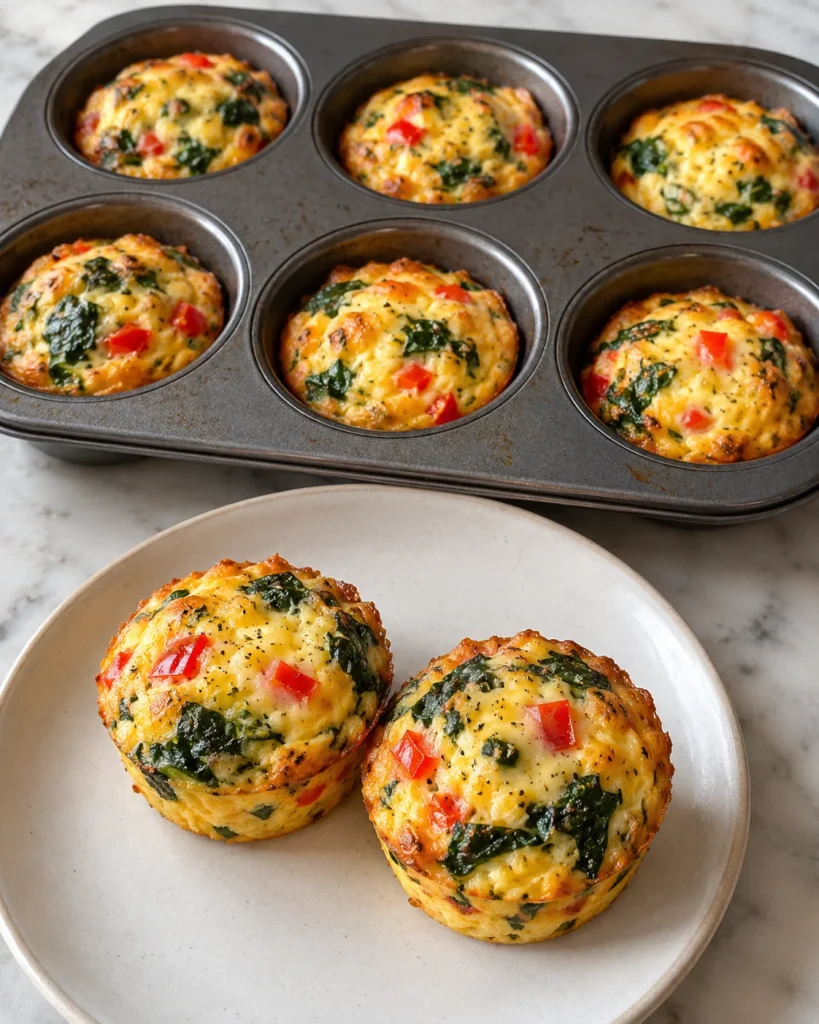
Both halves of this recipe go in the same oven at the same temperature: diced potatoes roast on a sheet pan while whisked eggs bake in a muffin tin on the rack below. Twenty-five minutes later, both are done. No stovetop, no standing over a pan, no second pot to wash. This is the version that actually survives a real Sunday — not the one that looks good in a video but takes ninety minutes of hovering.
Ingredients and equipment
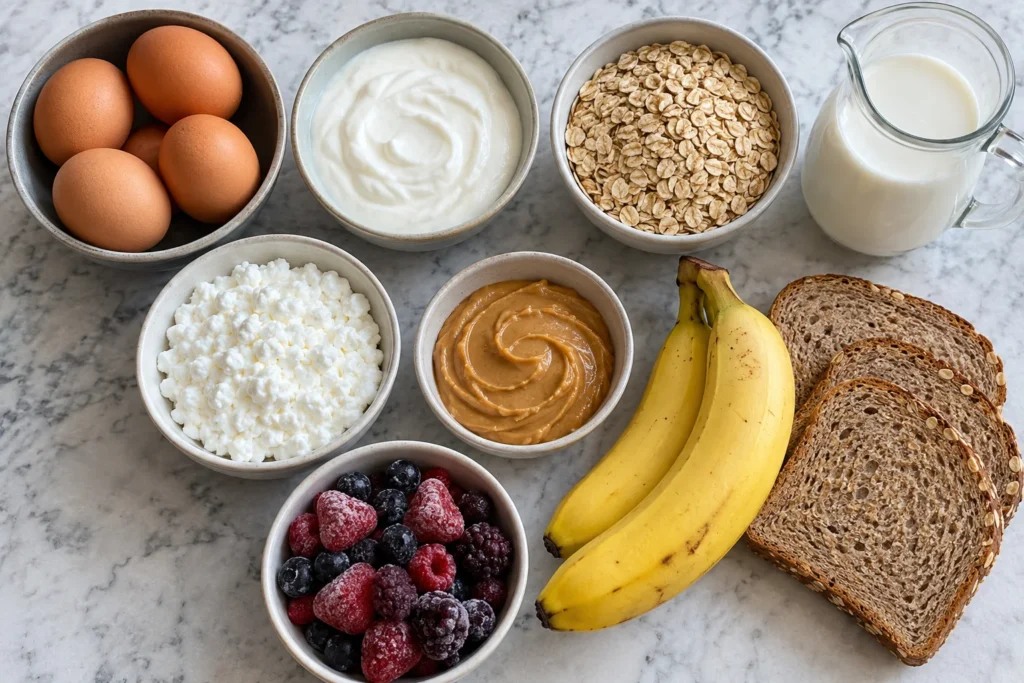
Makes 5 servings. For a wider list of what else is worth keeping stocked for breakfasts like this, see the budget protein grocery list.
- 10 large eggs
- 2 medium russet potatoes, diced small (about 3 cups)
- 2 tbsp oil, divided (one for the potatoes, one for the muffin tin)
- 1/2 tsp garlic powder
- 1/2 tsp paprika
- Salt and pepper to taste
- Optional: 1/2 small onion and 1/2 bell pepper, finely diced, mixed into the eggs
Equipment: one sheet pan, one standard 12-cup muffin tin, a mixing bowl and whisk, 5 meal prep containers. Nothing specialized.
How to make it

- Preheat the oven to 425°F / 220°C. Toss the diced potatoes with 1 tbsp oil, garlic powder, salt, and pepper on a sheet pan in a single layer.
- Grease a 12-cup muffin tin with the remaining oil. Whisk the eggs with a pinch of salt and pepper, and the onion and pepper if using. Pour evenly into 10 of the 12 cups.
- Put both pans in the oven at the same time — potatoes on the middle rack, muffin tin on the rack below. Roast the potatoes for 22–25 minutes, until golden and tender. Bake the egg cups for 16–18 minutes, until set in the centre and no longer wet on top.
- Let both cool for 10 minutes. Gently run a knife around the edge of each egg cup to release it.
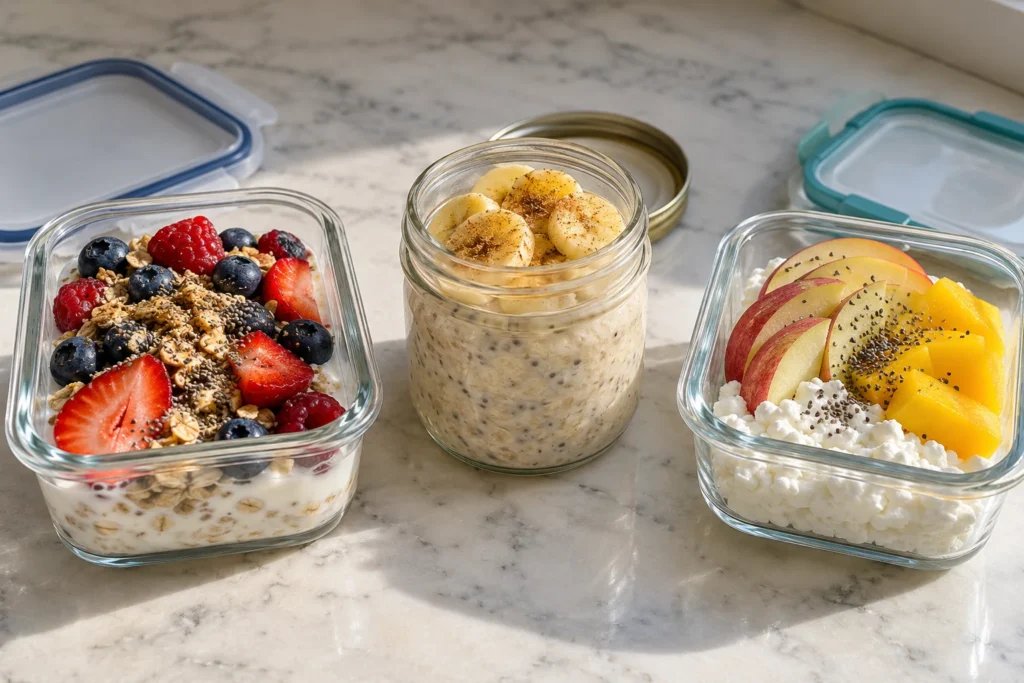
- Divide potatoes and 2 egg cups between 5 containers. Let cool fully before sealing to avoid trapping steam.
Cost and protein breakdown
This is one of the cheapest breakfasts on the site, and the numbers below are estimates — actual cost depends on your store and current prices.
- 10 eggs — buying an 18 or 30-count flat brings the per-egg cost down noticeably compared to a dozen
- 2 russet potatoes — one of the cheapest vegetables by weight; a large bag stretches further
- Oil, garlic powder, paprika — pantry staples, a few cents per batch
- Total estimate — cheap to make, per serving
Protein lands around 14–18g per serving, almost entirely from the eggs. That’s a lighter number than most other recipes on this site — see the swaps below if you want to push it higher. For the actual math with your own grocery receipt, the cost per serving guide walks through it.
How to make it cheaper
- Skip the onion and pepper — they’re flavour, not function. Leave them out entirely with no real loss.
- Buy the biggest bag of potatoes available — the per-kilogram cost drops sharply above 5kg bags in most stores.
- Watch for egg sales — eggs go on sale often enough that stocking up when the price drops is worth it; they keep for weeks in the fridge.
How to push the protein higher
- Add 2 extra eggs to the batch — use all 12 muffin cups instead of 10, adds roughly 3g protein per serving for almost no extra cost.
- Side of cottage cheese — 125g adds about 15g protein and pairs well with the paprika in the eggs.
- Add canned black beans to the potatoes — a half cup mixed in before roasting adds fibre and a meaningful protein bump.
Storage and reheating
- Fridge: Up to 4 days, sealed and refrigerated at 40°F / 4°C or below. Let everything cool fully before sealing — trapped steam makes the potatoes soggy. See the USDA’s food safety basics for general leftover handling guidance.
- Microwave: 60–90 seconds on high. Egg cups can turn slightly rubbery after reheating — that’s normal, not a sign anything went wrong.
- Freezer: Not recommended. Both eggs and roasted potatoes change texture significantly after freezing — this one’s a fridge-only recipe.
Simple swaps
- Sweet potato instead of russet — usually costs a bit more, different flavour and nutrition profile.
- Hot sauce or salsa — stir into the eggs before baking, or add at reheating. Cheap way to vary the flavour across the week.
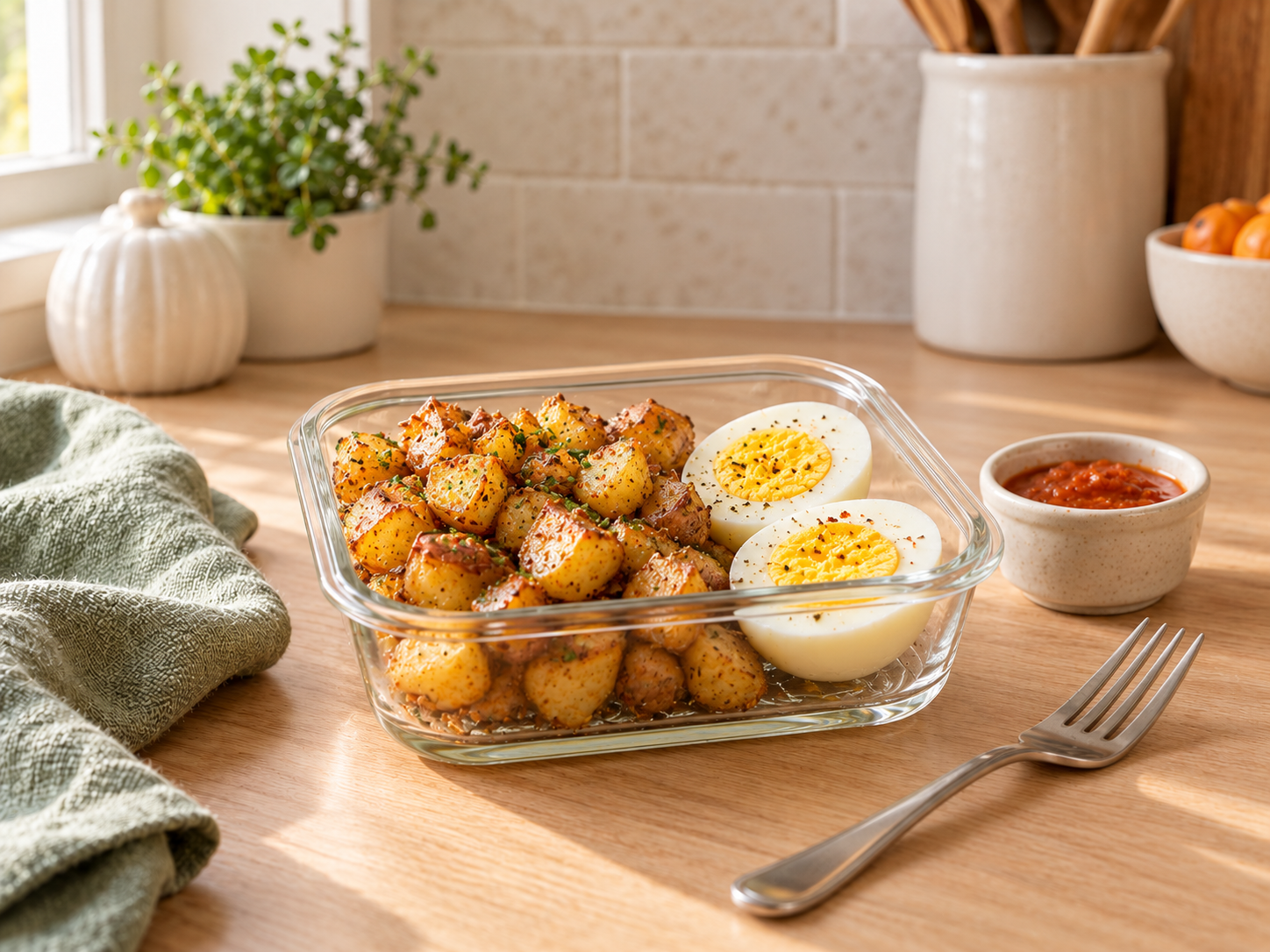
- Hard-boiled instead of baked eggs — if you’d rather not deal with a muffin tin, boil the eggs instead and pair with the roasted potatoes. Slightly less hands-off but works the same way.
Frequently asked questions
Why do the egg cups shrink after cooling?
Baked eggs puff up in the oven from trapped air and steam, then settle back down as they cool. This is normal and doesn’t affect taste or safety — it just means the finished cups look a bit smaller than they did straight out of the oven.
Can I use frozen diced potatoes instead of fresh?
Yes, though fresh roasts crispier. If using frozen, skip thawing first and add a few extra minutes of roast time, since frozen potatoes release more moisture as they cook.
Is this filling enough as an entire breakfast?
For most people, yes — the combination of protein and starch holds hunger off for a few hours. If you find yourself hungry again quickly, the cottage cheese or black bean additions above are the cheapest way to add more staying power without changing the recipe much.
Related reading: High-Protein Chicken Rice Meal Prep Bowls for lunch, and the budget protein grocery list for what else to stock. New to meal prep entirely? Start with the Start Here guide.