
Cheap High-Protein Meals on a Budget
These meals use regular grocery-store ingredients and show the estimated cost behind each serving. The target is simple: as cheap as possible, with roughly 20g of protein.
What counts as “cheap and high-protein” here
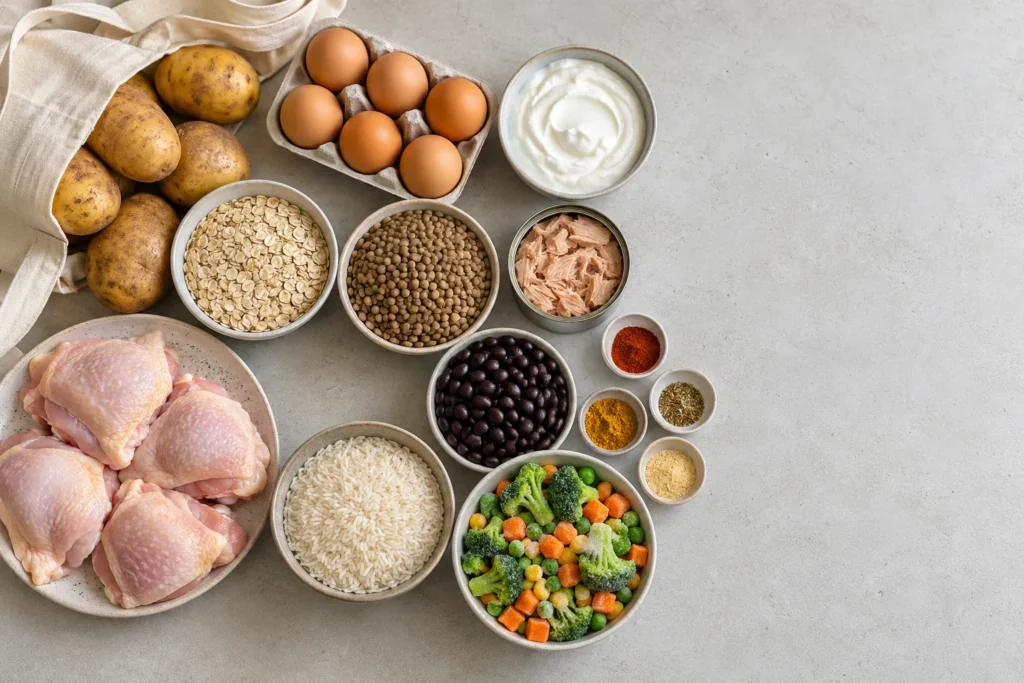
Each meal aims to be as cheap as possible per serving, with about 20g of protein or more. Every option uses ingredients sold at any mainstream grocery store, with no specialty shopping. Prices below are estimates based on typical pricing; they’ll shift with your store, region, and the week’s sales. If you want to calculate your own exact numbers from a grocery receipt, the cost per serving guide walks through the method.
Cheap high-protein meals, ranked
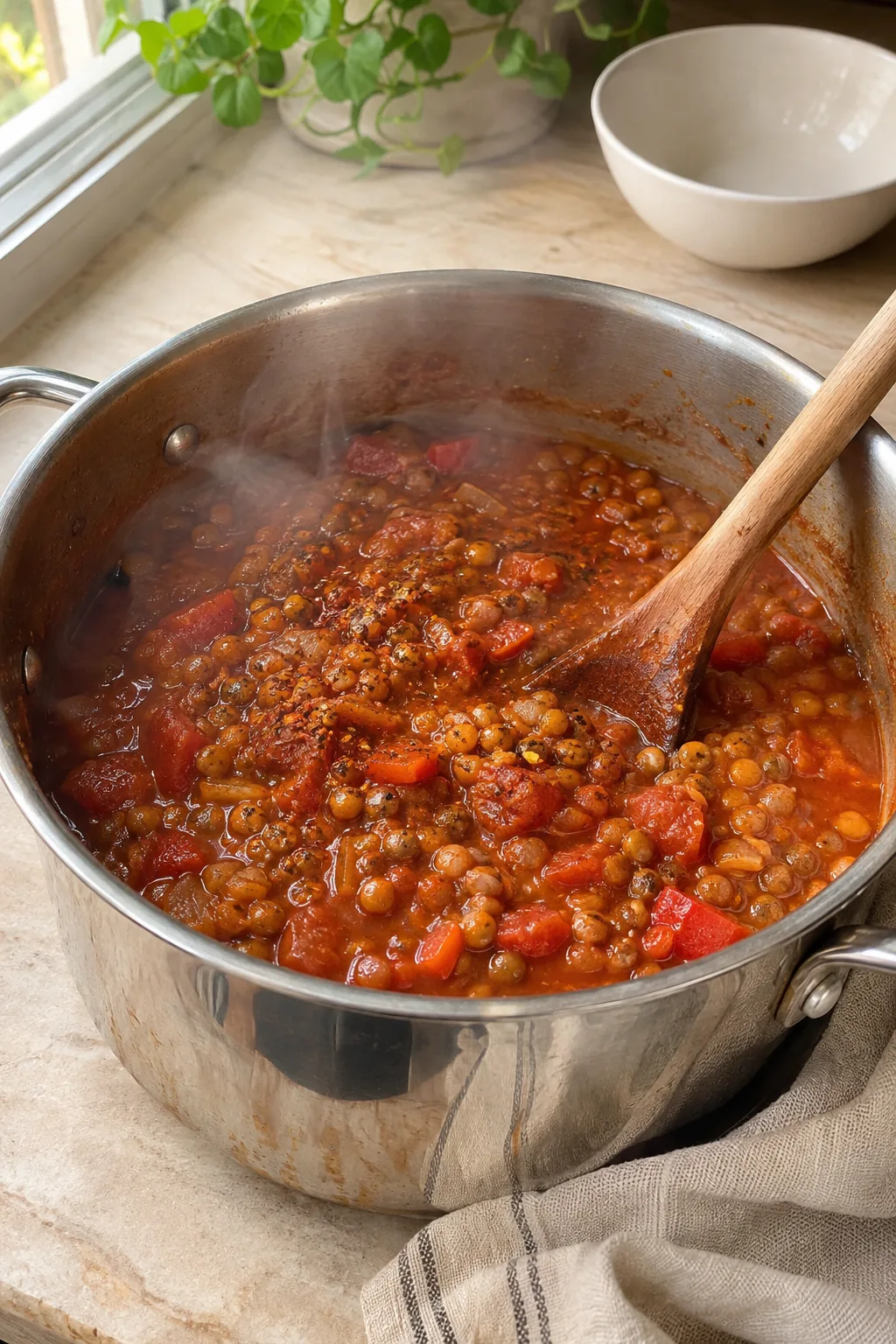
Lentil chili, the cheapest option
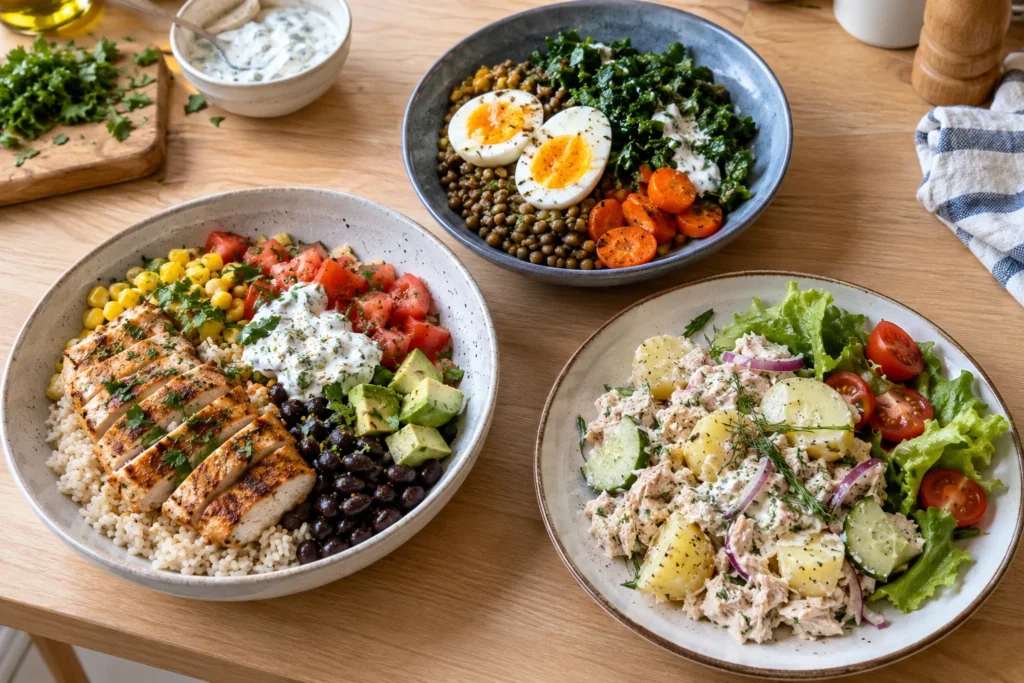
This is the lowest-cost option on the list. Dried lentils are one of the lowest-cost proteins by weight anywhere in the store, and the rest of the ingredients, canned tomatoes, onion, spices, are all inexpensive pantry staples. Full recipe: Budget High-Protein Lentil Chili.
Egg and potato breakfast cups, very cheap
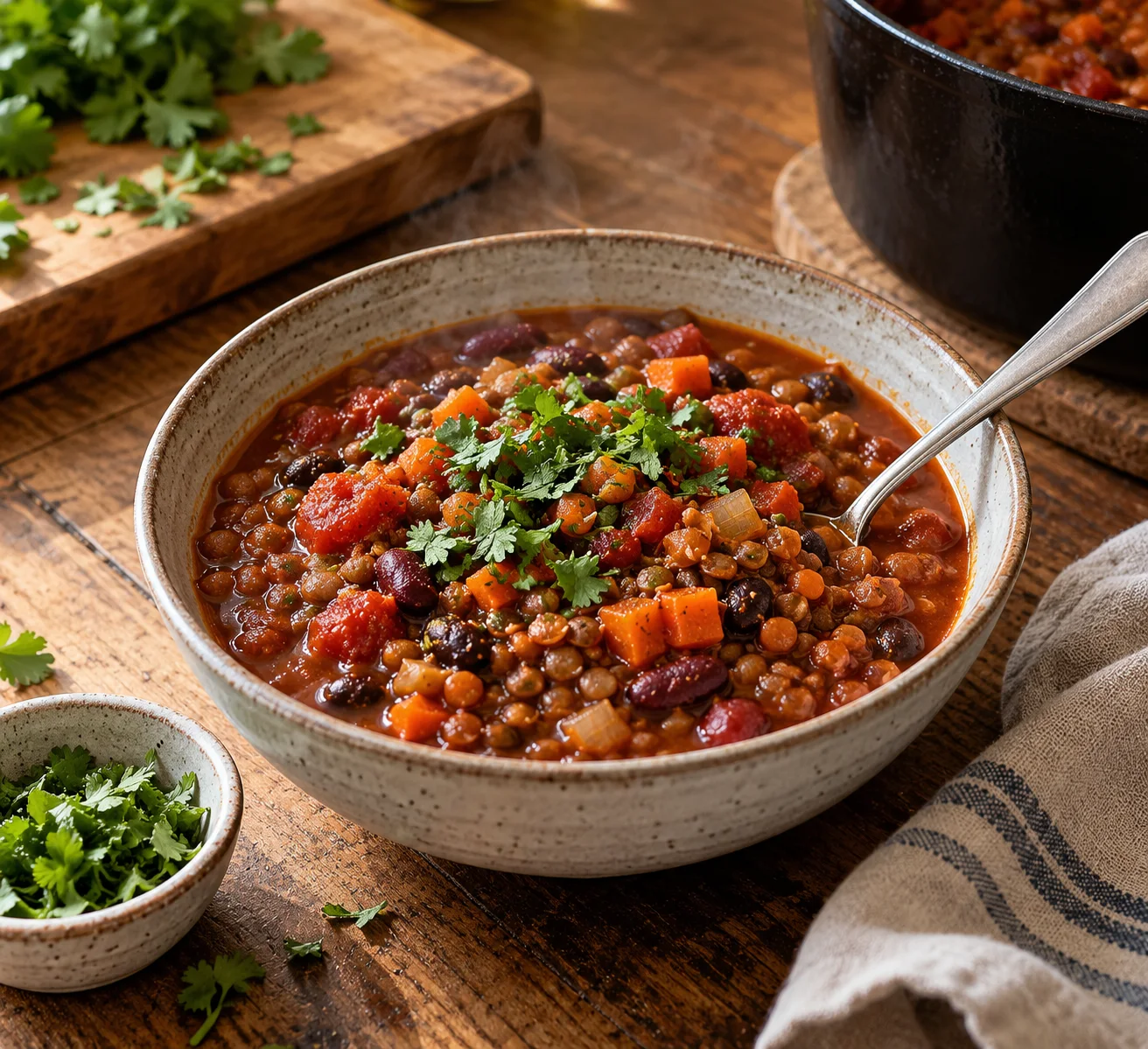
Eggs and potatoes are both among the cheapest sources of protein and energy in any grocery store. This stays cheap even buying a dozen eggs at regular price, buying a flat brings it down further. Full recipe: Egg and Potato Breakfast Meal Prep.
Tuna pasta, cheap
Canned tuna and pasta are both inexpensive per serving on their own, and together they need almost nothing else, a bit of oil and lemon juice. Store-brand tuna and generic pasta keep this comfortably cheap. Full recipe: Budget High-Protein Tuna Pasta.
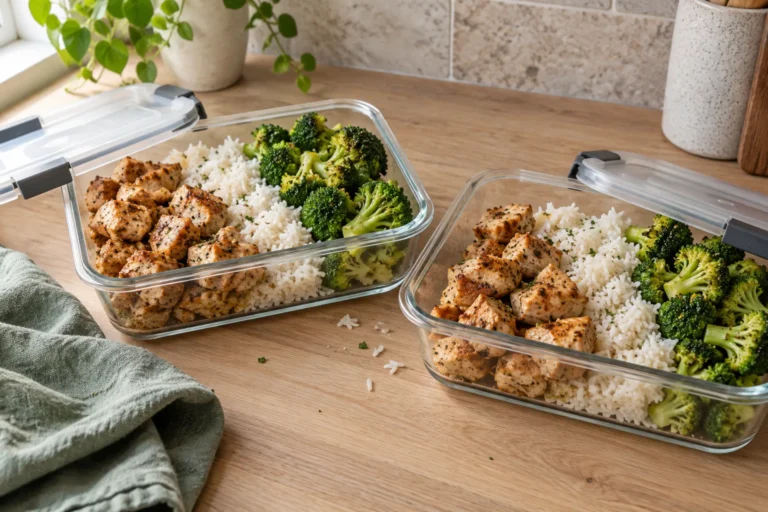
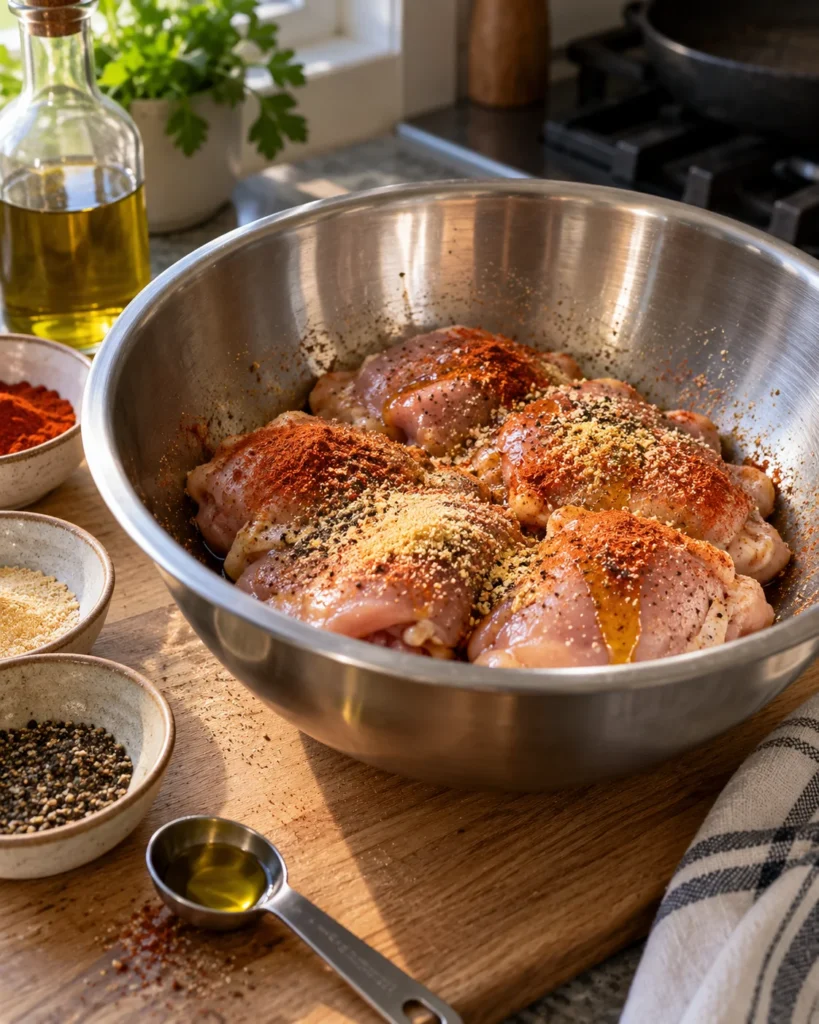
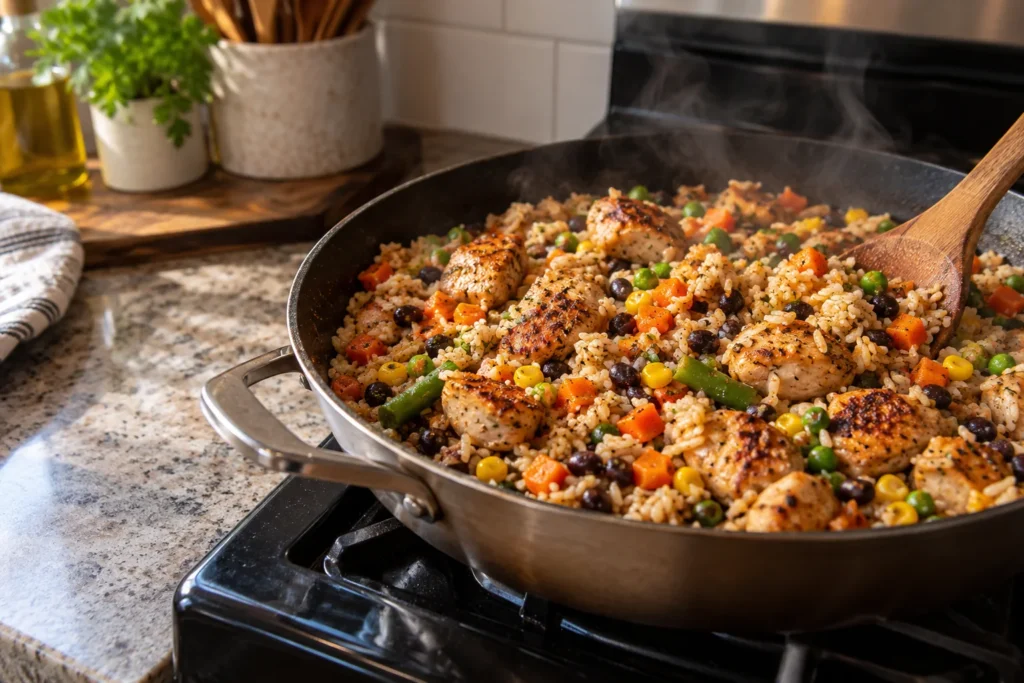
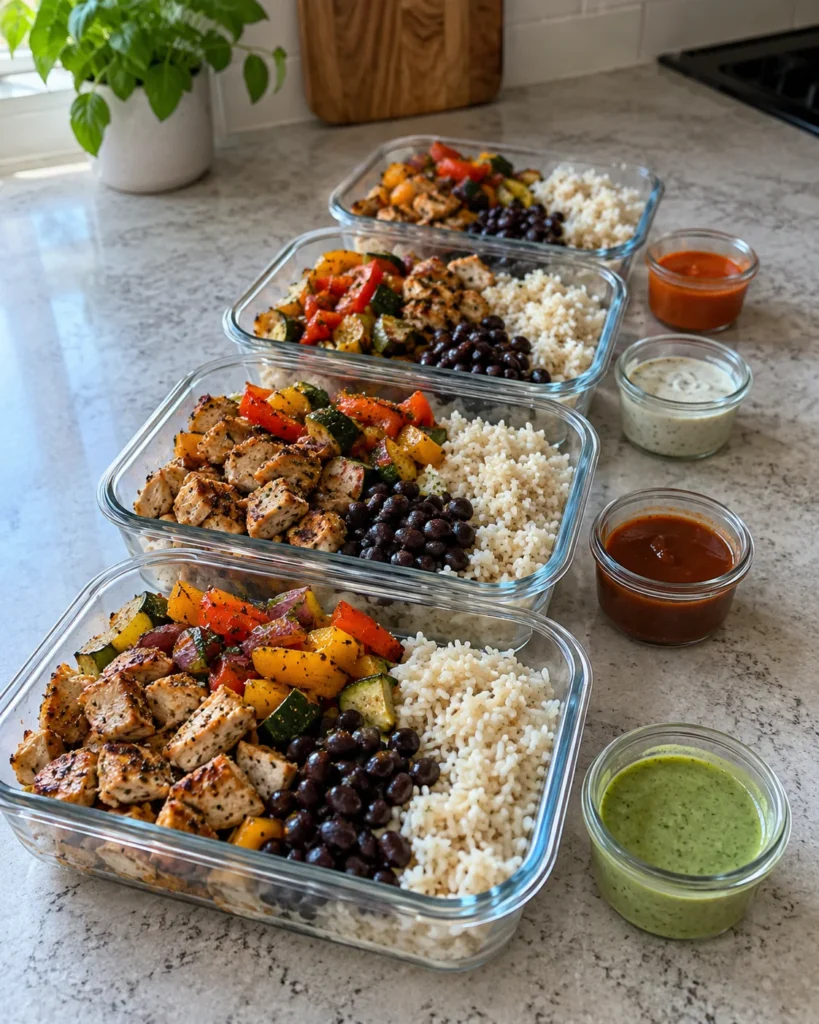
Chicken rice bowls, budget-friendly
Sometimes a touch pricier depending on current chicken thigh prices, included here because it’s one of the most popular and reliable options on the site, and it gets noticeably cheaper whenever thighs are on sale. Full recipe: High-Protein Chicken Rice Meal Prep Bowls.
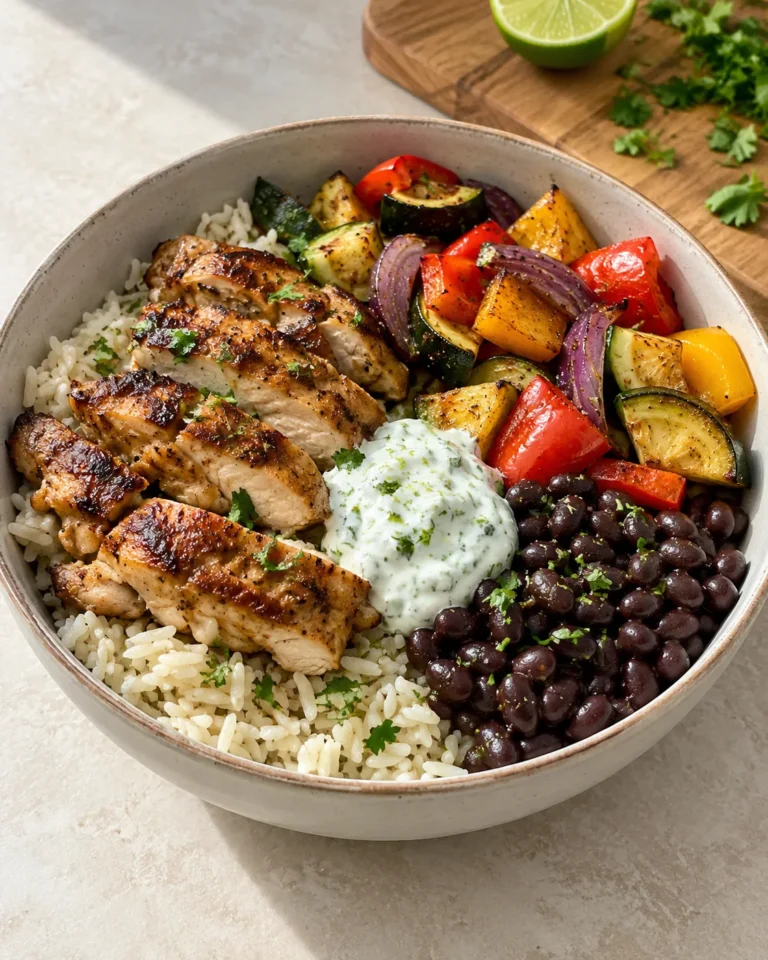
Ground turkey rice bowls, budget-friendly
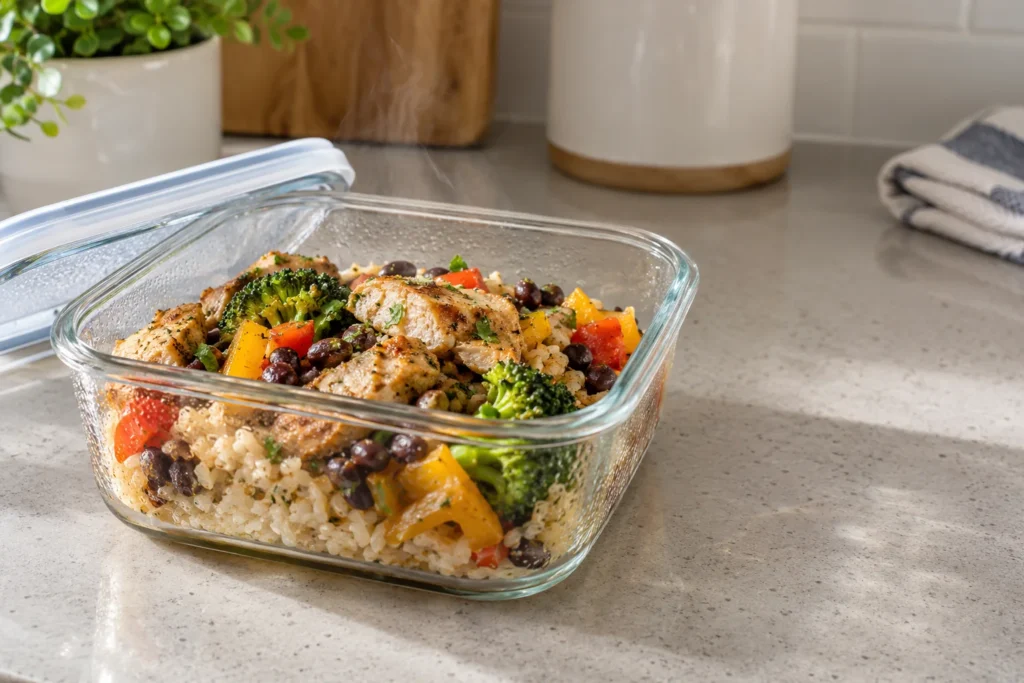
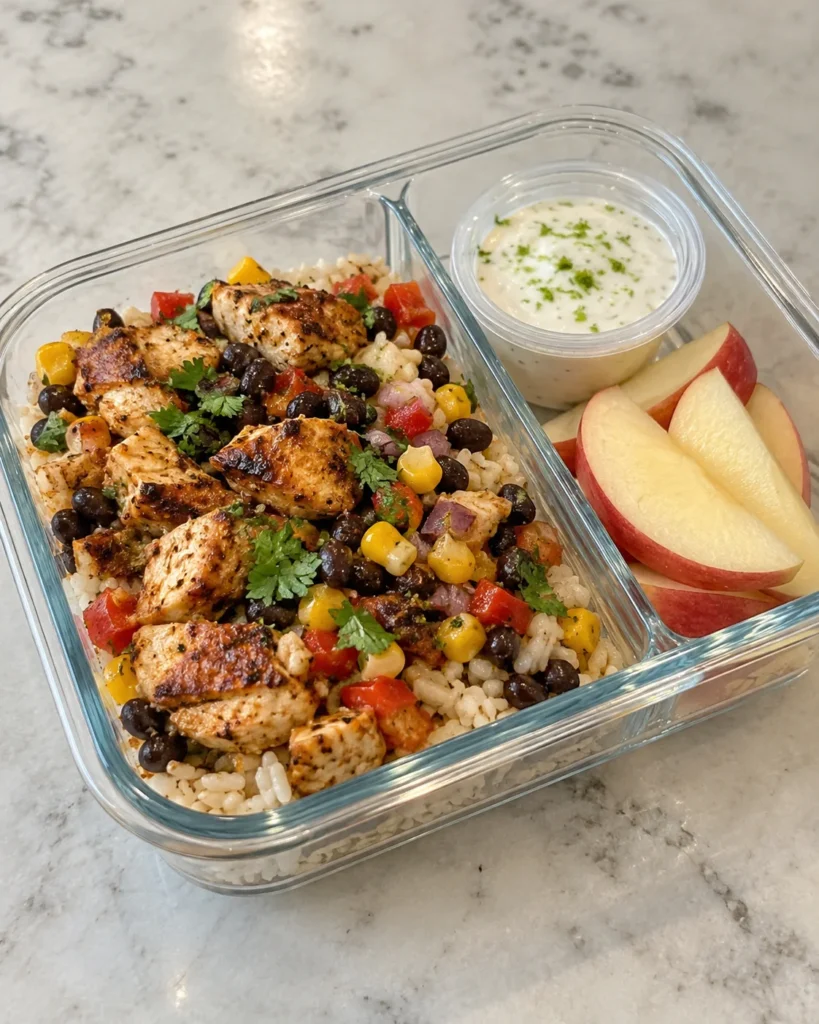
Same logic as the chicken version, and often a touch cheaper depending on the week, ground turkey tends to go on sale more frequently than whole cuts. This one can get noticeably pricier if turkey happens to be priced high that week, so it’s worth checking the flyer first. Full recipe: Ground Turkey Rice Meal Prep Bowls.
Cottage cheese with eggs or crackers, cheap
This option needs no cooking beyond boiling an egg. A half-cup of cottage cheese alone provides a meaningful protein hit for very little money, even accounting for cottage cheese prices having climbed in some areas. If you want to use cottage cheese in an actual recipe instead of eating it plain, see the cottage cheese cookie dough and cottage cheese queso dip.
How to track your own cost per serving
The figures above are estimates. Your actual numbers depend entirely on your store, your area, and what’s on sale that week. To calculate your own cost: add up what you paid for every ingredient in a recipe, then divide by the number of servings it makes. The cost per serving guide walks through this with worked examples, and it’s worth running once on a recipe you make often, Then you have a number based on the store you use.
A simple weekly budget test
- Choose two recipes that share at least one ingredient.
- Price the full packages you need, not only the amount used in one serving.
- Subtract pantry ingredients already at home from the shopping total.
- Divide the remaining cost by the number of meals the shop will produce.
- Freeze any portions that will not be eaten in the next few days.
Store the cheap ingredients so they stay useful
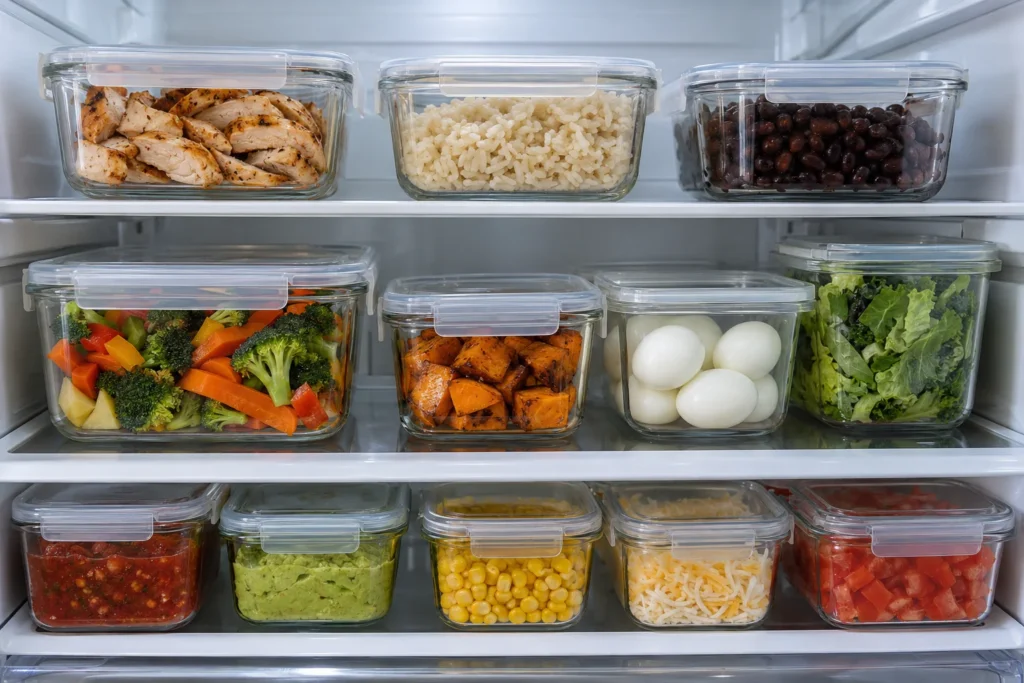
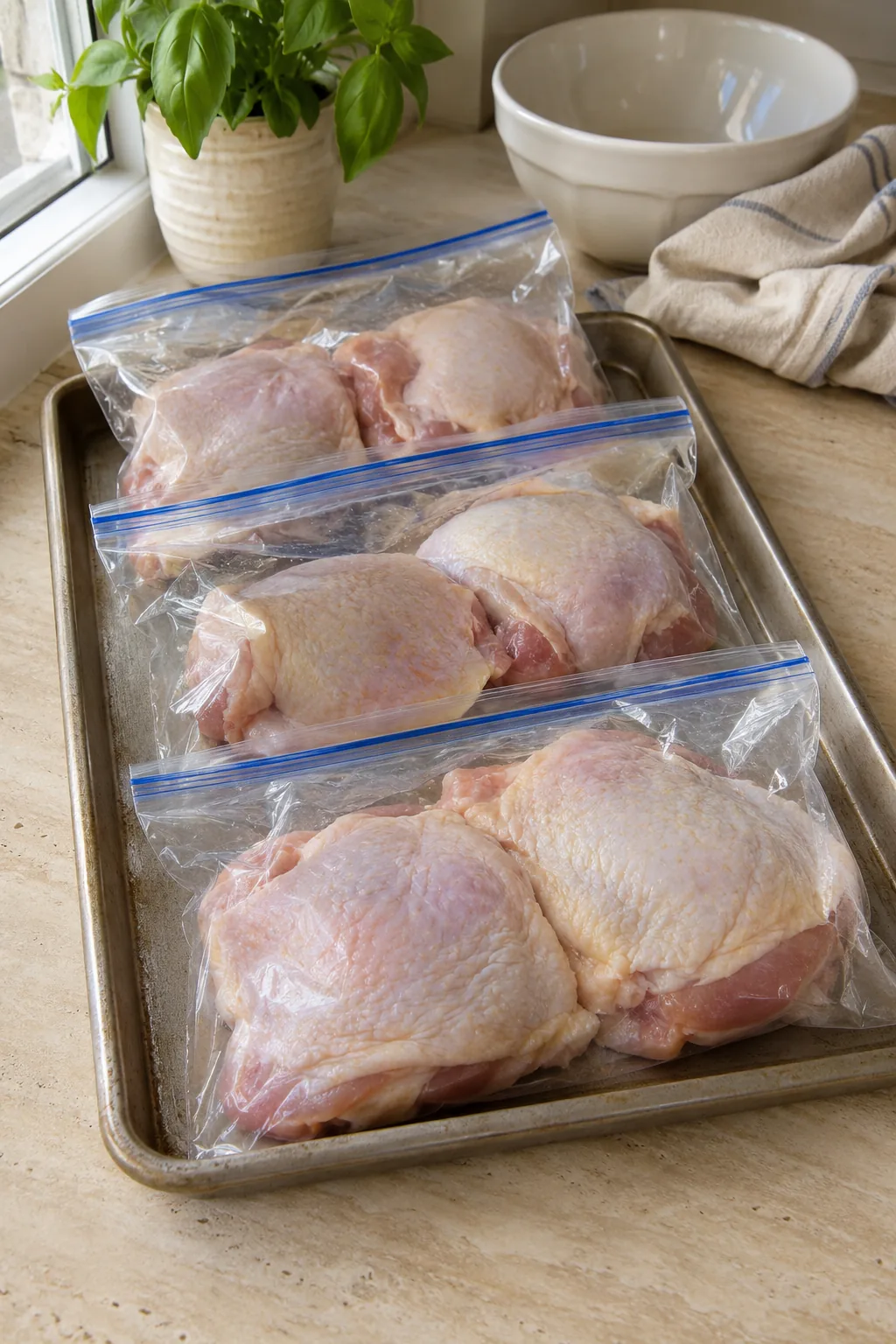
Portion sale-priced meat before freezing, keep cooked lentils or chili in meal-size containers, and store rice or pasta separately from wet sauces when possible. Label the freezer portion with the meal and date. A low price only helps when the food is easy to find and use later.
Which strategy works best?
Start with lentils, eggs, tuna, and one sale-priced meat. This works better than forcing every meal to use the absolute cheapest ingredient because it gives you variety while keeping the expensive part of the cart under control. Use the same rice, potatoes, or pasta across several meals to reduce waste.

Keeping meals cheap as prices shift
- Buy protein when it’s on sale, then freeze it. Chicken thighs and ground turkey both freeze well, and buying extra at a sale price is the single biggest lever on a per-serving cost.
- Build around the cheapest carb. Rice, pasta, potatoes, and dried lentils are consistently among the least expensive calories in any grocery store, anchor meals around one of these rather than something pre-made.
- Buy whole ingredients, not pre-seasoned or pre-cooked ones. A plain bag of chicken thighs costs meaningfully less per gram of protein than the same chicken pre-marinated or pre-cooked.
- Shop with a list. Browsing tends to add items that weren’t part of the plan, which is where a cheap meal quietly becomes a pricier one.
What drives the cost of each meal
Every meal above has one ingredient that sets most of its price. Knowing which one tells you where to look for savings.
| Meal | Biggest cost | Cheaper move | Freezes? |
|---|---|---|---|
| Lentil chili | Canned tomatoes and spices | Buy store-brand cans | Yes, up to 3 months |
| Egg and potato breakfast cups | Eggs | Buy eggs by the flat | See the recipe |
| Tuna pasta | Tuna | Choose store-brand tuna | No, eat it fresh |
| Chicken rice bowls | Chicken thighs | Wait for a sale and freeze extra | Yes |
| Ground turkey rice bowls | Ground turkey | Swap in chicken thighs or the best-priced ground meat | Yes |
| Cottage cheese with eggs or crackers | Cottage cheese | Buy store brand | Eat fresh |
Read the unit price, not the sticker
Every shelf tag shows a unit price, such as price per ounce or per pound. Compare that number between a family pack and a small pack, and between brands. A large package costs less per ounce when you use all of it. Match the size to what you will cook and freeze.
Compare dried and canned lentils by cost per serving, not package price. Compare chicken thighs and breasts by price per pound, then think about which one you cook more often. A block of cheese costs less per ounce than a bag of pre-shredded.
Three sample cheap weeks
None of these need exact prices. They show how the same few ingredients stretch across a week.
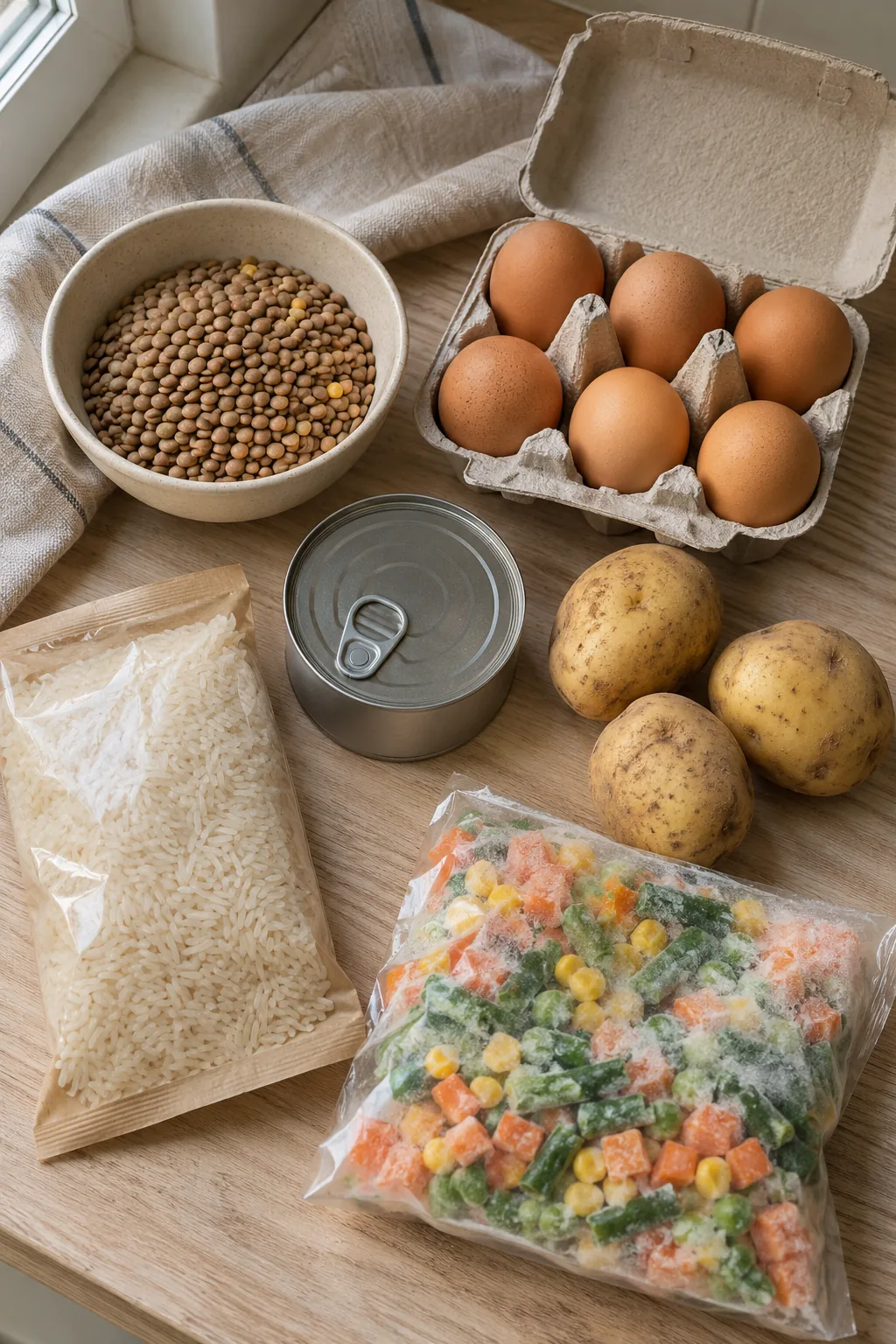
In a lentil week, one bag of dried lentils, a dozen eggs, a bag of potatoes, two cans of tuna and a box of pasta cover lentil chili, egg and potato cups and two tuna pasta lunches. In a sale chicken week, buy two packs when thighs drop: cook one for chicken rice bowls and freeze the other raw for next week. In a turkey week, make a batch of turkey rice bowls, freeze half, and turn the leftover rice into a second meal.
Mistakes that make cheap meals expensive
The usual leaks: buying a large pack of meat with no plan to freeze it, so part of it spoils. Freezing cooked food without a label, so it sits until you throw it out. Paying extra per ounce for pre-cut vegetables or pre-seasoned meat. Skipping the flyer, when sale prices on protein change every week. Cooking a new recipe every night, which brings a new set of ingredients and a fridge door full of half-used bottles.
Build one shopping list for the whole week
Split your list into two piles before you leave the house. The first pile holds pantry items that last for months: dried lentils, rice, pasta, canned tomatoes, canned tuna and oats. Buy them when the unit price drops, and you will not need them again for a while. The second pile holds what you restock each week: eggs, cottage cheese, a pack of chicken thighs or ground turkey, potatoes and a bag of frozen vegetables.
Check the pantry pile first, because a missing can of tomatoes costs you a second trip. Then pick the protein from the weekly pile by price. If thighs cost less than ground turkey, cook the chicken rice bowls. If turkey wins, cook the turkey bowls. The lentil chili, tuna pasta and egg and potato cups come from the pantry pile, so they need no decision at the register.
Write the list in the order of the store, with produce and eggs first and frozen food last, so the cold items spend the least time in the cart. Add up the total on your phone as you shop. If you land a few dollars over plan, look for the item you bought in the bigger size, and freeze half of it.
Frequently asked questions
What is the cheapest protein at the grocery store?
Dried lentils, eggs and canned tuna are among the lowest cost per serving, which is why this list leans on them. Prices vary by store, so check your own receipts.
Is store brand worth it?
For staples such as tuna, pasta, rice and cottage cheese, yes. These recipes blend, season or cook the ingredient, which hides most differences between brands.
Do I need special equipment?
No. A pot, a skillet, a sheet pan and a few containers are enough for every meal on this page.
How do I keep cheap meals from getting boring?
Keep the base the same and change the sauce or the topping. A bottle of hot sauce and a jar of salsa go a long way.
Related reading: Best Cheap Protein Sources by Cost Per Gram, the budget protein grocery list, and Simple Sunday Meal Prep System if you’re new to batch cooking any of these.