High-Protein Cottage Cheese Recipes on a Budget
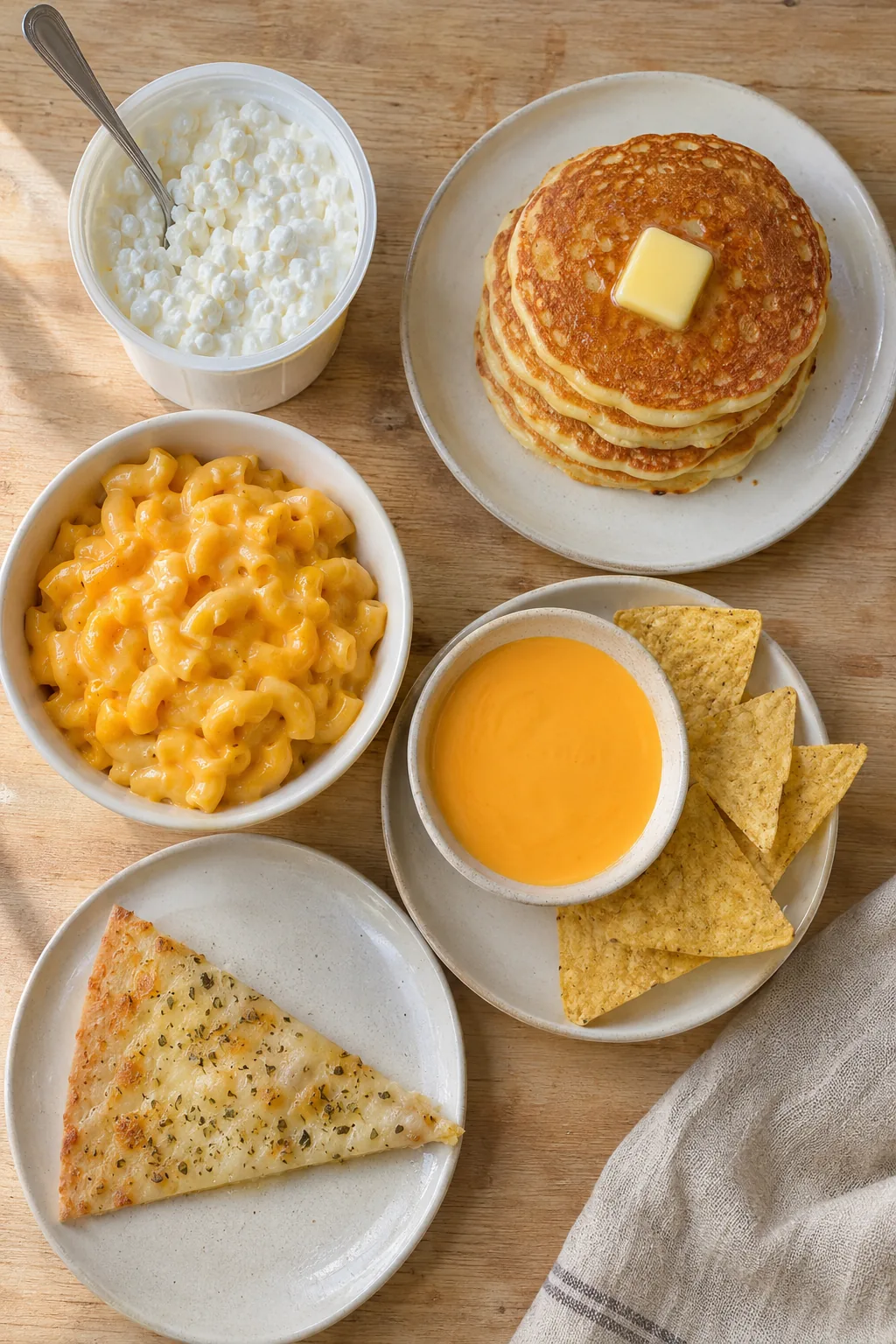
Cottage cheese costs little per gram of protein, and a blender changes it. A minute at high speed removes the curds and leaves a thick, mild base. You can bake that base into flatbread, mix it into pancake batter, melt it into a pasta sauce or freeze it for dessert.
This page collects all seven cottage cheese recipes on Budget Protein Kitchen. A comparison table comes first so you can pick by time and effort. After that you get each recipe with the details that decide whether it works, a guide to buying and blending cottage cheese, fixes for the problems readers hit most, and a sample week that covers four recipes from one shopping trip.
The recipes side by side
Protein numbers are the estimates printed on each recipe page. Your brand, your portion size and any swaps will move them.
| Recipe | Time | Makes | Protein estimate | Freezes? |
|---|---|---|---|---|
| Flatbread | 5 min prep, 20 to 25 min bake | 2 servings (4 pieces) | 20 to 24g per serving | Yes |
| Mac and cheese | 10 min prep, 20 min cook | 5 servings | 28 to 32g per serving | Not recommended |
| Pancakes | 5 min prep, 10 min cook | About 8 pancakes | 18 to 22g per serving | Yes |
| Queso dip | 5 min total | About 1 cup, 4 servings | About 10g per serving | See recipe |
| Ice cream | 10 min prep, 2 to 3 hours freezing | 2 servings | 20 to 24g per serving | Made to freeze |
| Pumpkin cheesecake | 20 min prep, 4 hours chilling | 10 slices | 10 to 13g per slice | See recipe |
| Cookie dough | About 10 min prep, then chill | Small snack portions | See recipe | See recipe |
If you want one recipe to start with, make the queso. It takes five minutes and shows you how smooth blended cottage cheese gets. For a week of breakfasts, make the pancakes. For dinner, make the mac and cheese.
Savory recipes
Cottage Cheese Flatbread
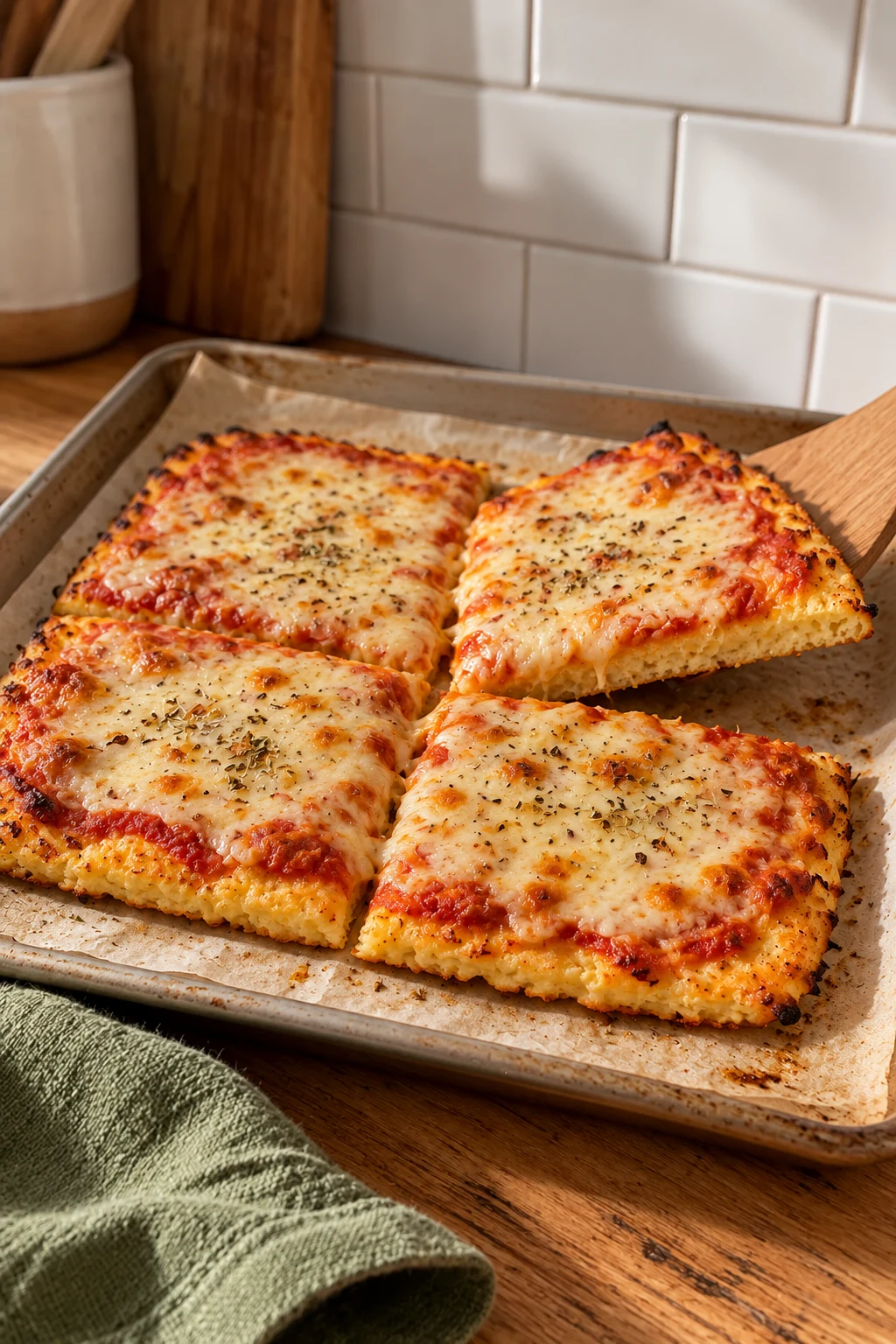
The batter is two cups of cottage cheese and two eggs, blended smooth and seasoned with garlic powder and oregano. It contains no flour. Spread it about a quarter inch thick on parchment and bake at 400°F for 20 to 25 minutes. Thickness decides the result. Cottage cheese holds a lot of water, so a thick layer stays gummy in the middle while the edges brown.
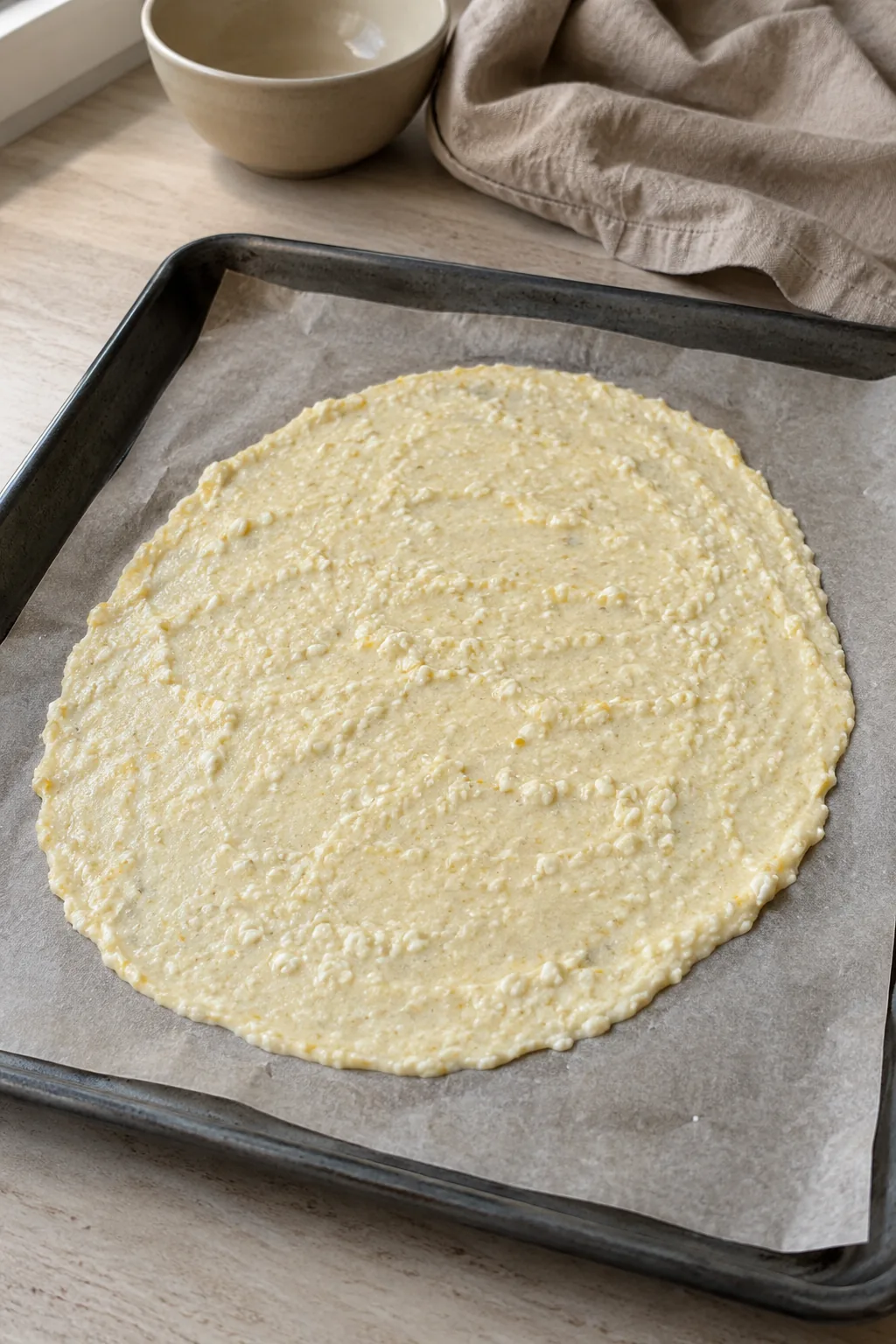
Use parchment or a silicone mat. Foil and a greased pan both let the eggs grip the metal, and the flatbread tears when you lift it. Large curd cottage cheese needs a few extra seconds in the blender. Full-fat versions (4% or higher) bake up more tender than fat-free, which dries out at the edges. The post also has a skillet method for a single wrap, 6 to 8 minutes per side. It holds together less well than the oven version, so use the oven when you want to slice it into pizza-style pieces. Get the flatbread recipe.
Cottage Cheese Mac and Cheese
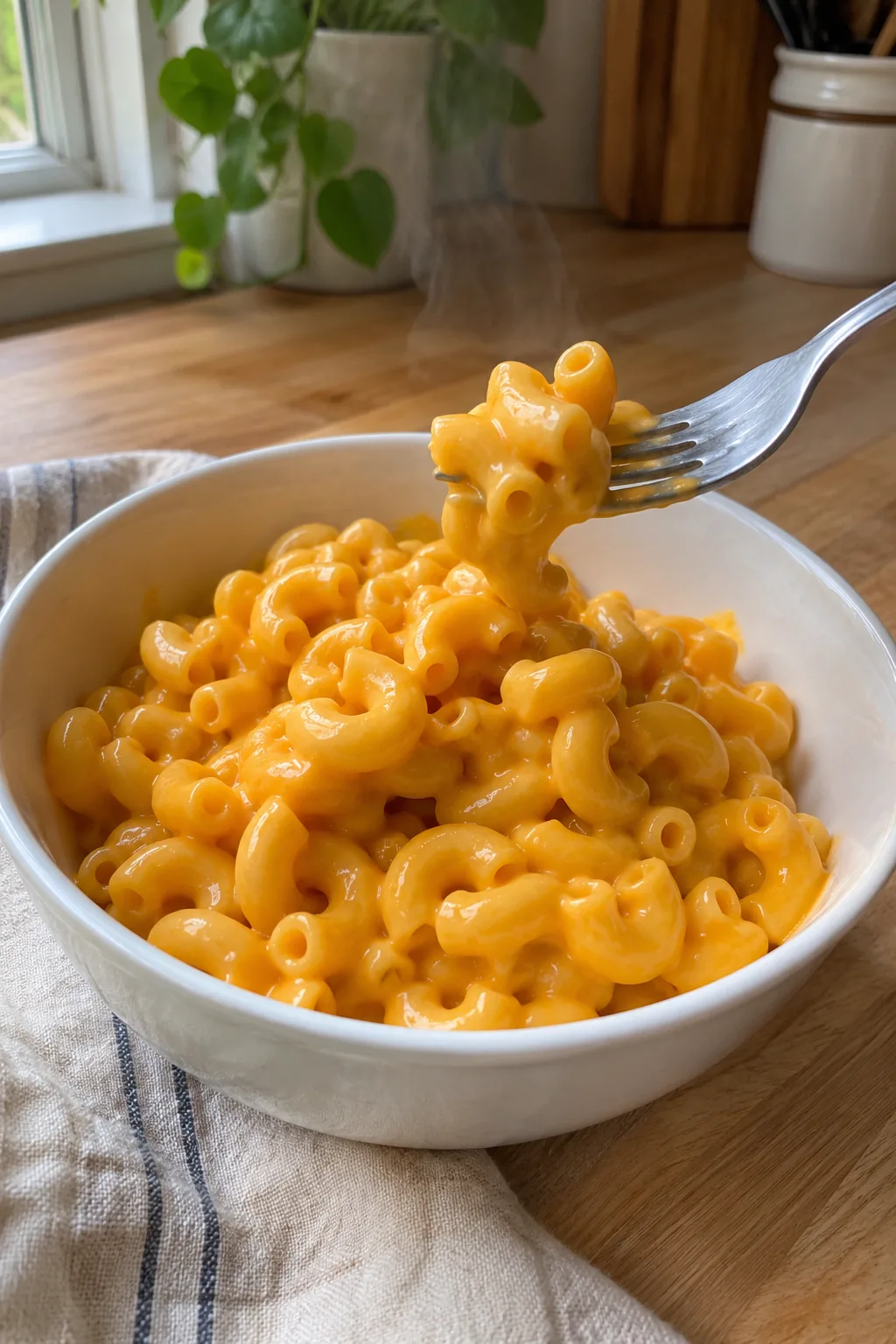
Blended cottage cheese takes the place of the roux. Give it a full 60 to 90 seconds in the blender, then stir it into melted butter and milk with a little mustard, and add the cheddar a handful at a time. Keep the heat low. Cheese sauce that gets too hot turns grainy. Fold in 340g of cooked elbow macaroni and loosen the sauce with a splash of pasta water if it looks thick.
Cheddar is the biggest cost in the recipe. A block you shred yourself costs less than a bag of pre-shredded cheese, and the shredding takes two minutes. The recipe serves five. Refrigerate leftovers within two hours and eat them within three to four days. Skip the freezer, because the sauce turns grainy after thawing. Reheat in the microwave at reduced power with a spoonful of milk per portion. Get the mac and cheese recipe.
Cottage Cheese Queso Dip
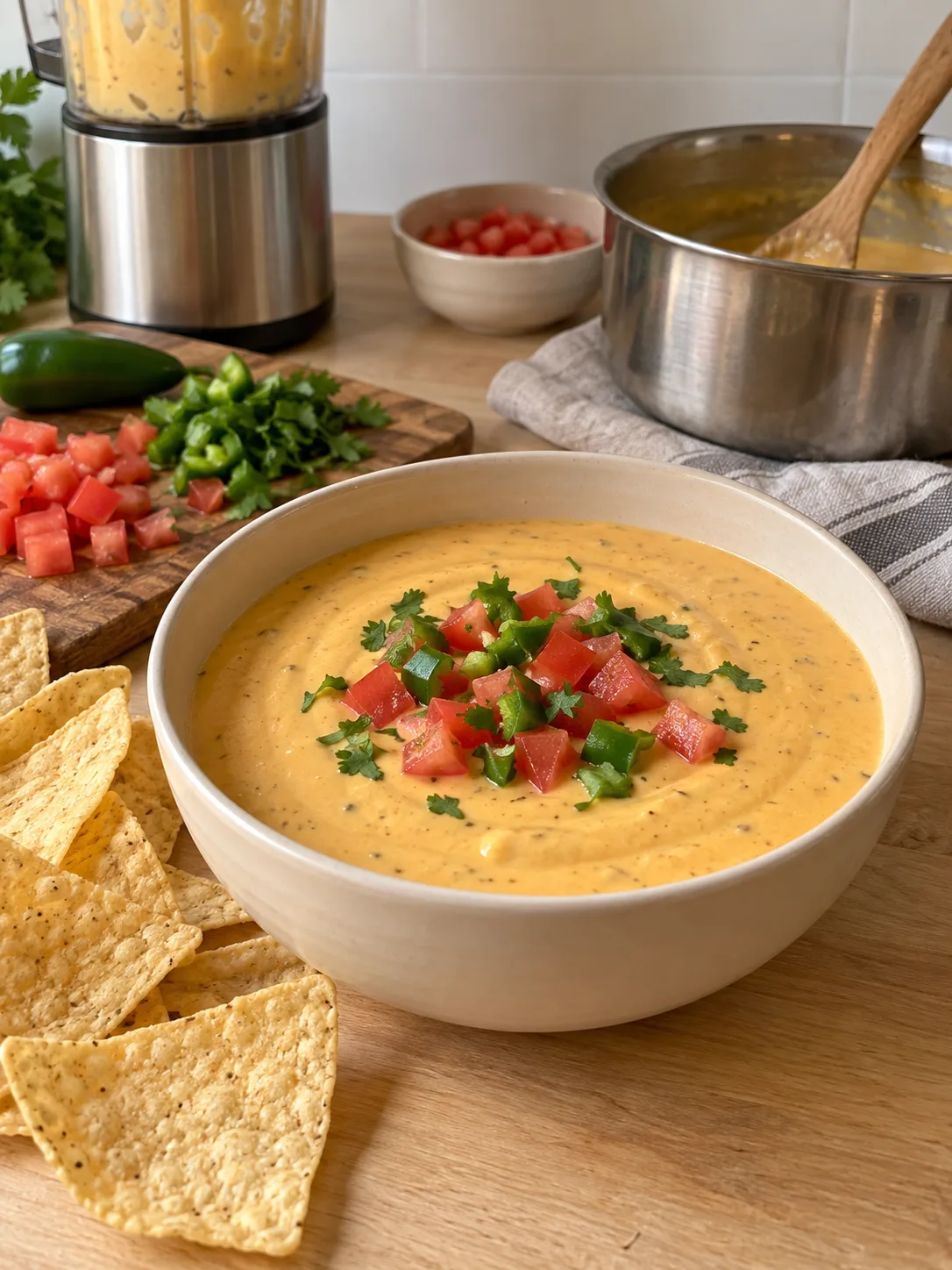
A cup of cottage cheese, half a cup of cheddar or pepper jack and a teaspoon of taco seasoning make about a cup of dip. Blend the cottage cheese, melt in the cheese and season to taste. Full-fat gives the creamiest result, and 2% also works. Store brand is fine, since blending erases the difference between brands.
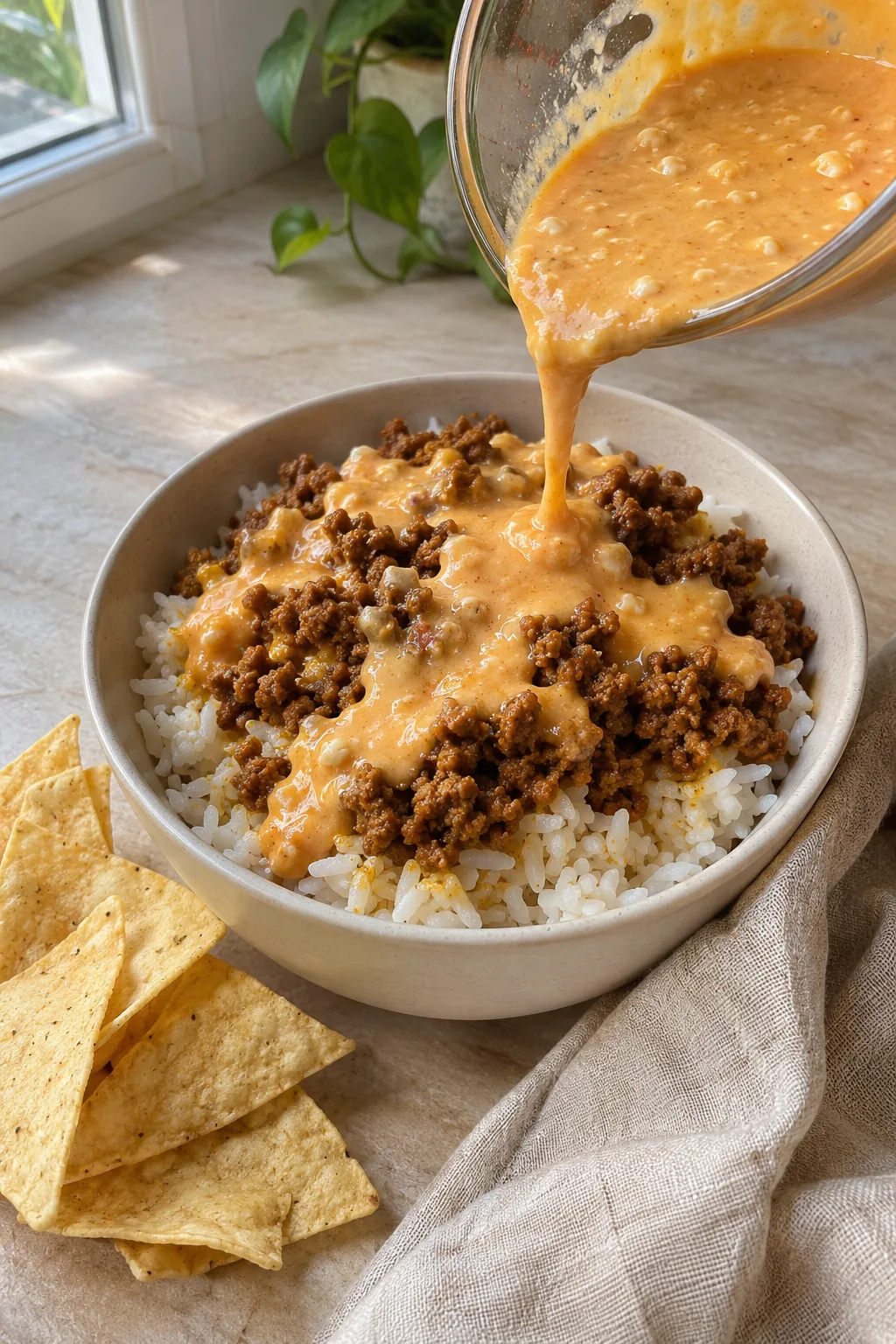
The dip does more than sit next to chips. Keep it thick for nachos, or thin it with a splash of milk or water and spoon it over rice bowls, tacos or leftover chicken. Four small servings carry 10g of protein each. Get the queso recipe.
Breakfast
Cottage Cheese Protein Pancakes
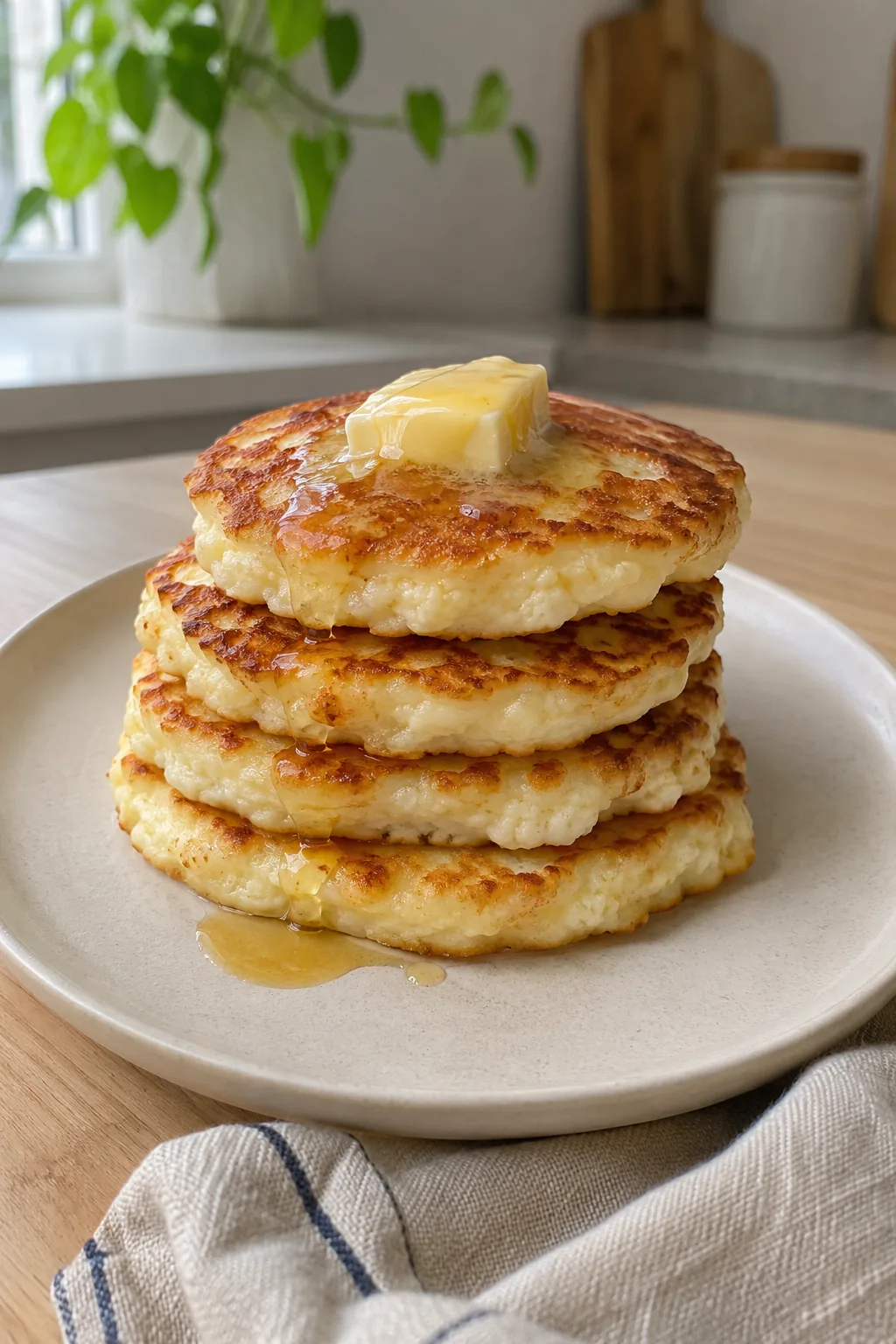
Blend one cup of cottage cheese with four eggs until smooth, then add flour, sugar, baking powder and vanilla and pulse a few times. Stop blending soon after the flour goes in. Extra blending makes the pancakes tough. Cook them on a griddle over medium heat with about a quarter cup of batter each. High heat browns the outside before the inside sets, because these pancakes carry more egg and dairy than a standard batch.
Brands differ in moisture, so treat the first pancake as a test. If the batter will not spread, add milk a tablespoon at a time. If it runs thin across the pan, add flour a tablespoon at a time. For meal prep, pour the batter into a greased 9 x 13 pan and bake at 400°F for 12 to 16 minutes, then cut it into squares. Pancakes keep three to four days in the fridge and up to two months in the freezer. Freeze them flat on a tray first and bag them after, and they will not fuse together. Get the pancake recipe.
Desserts and sweet snacks
Cottage Cheese Ice Cream
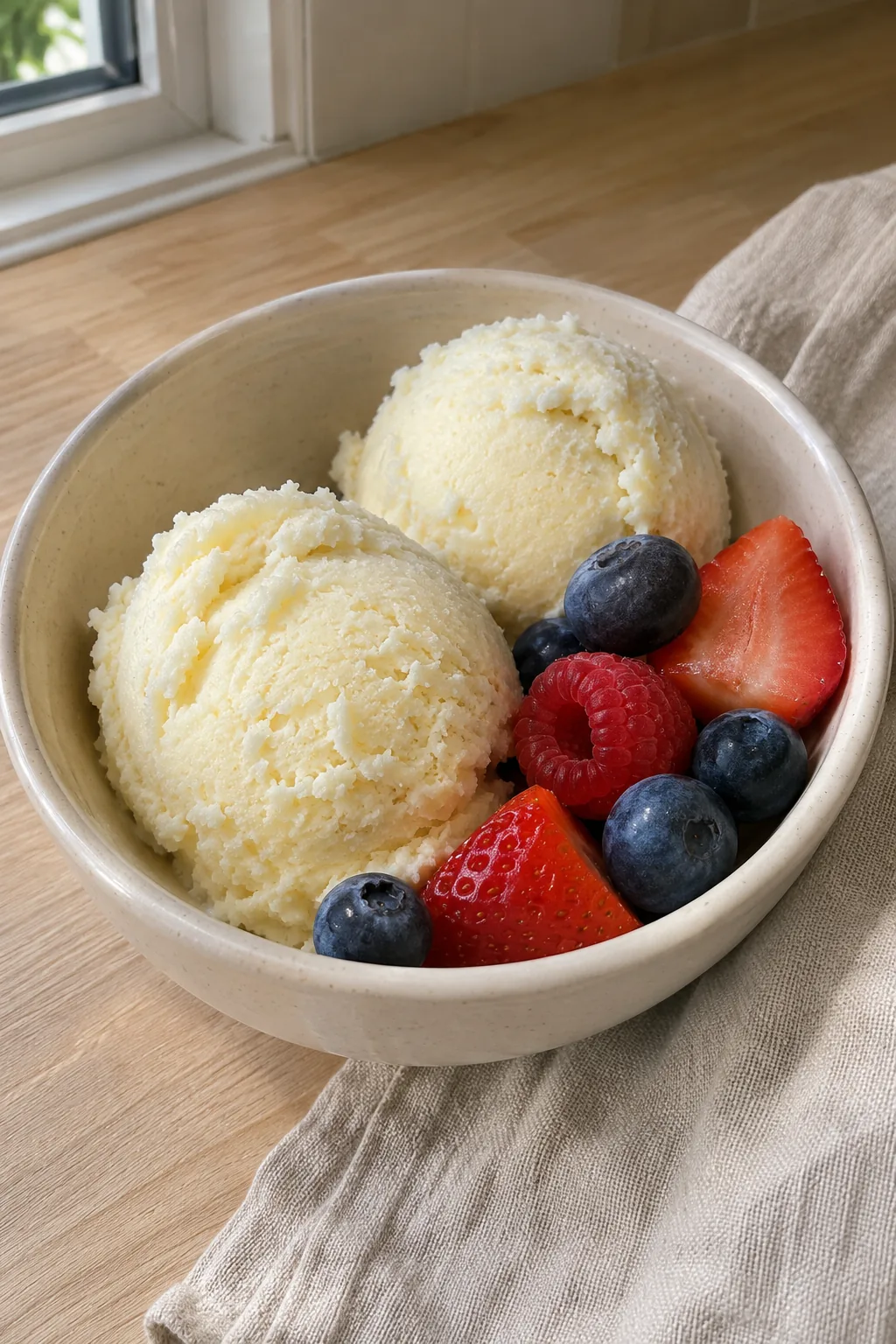
The viral version calls for a special frozen dessert machine. This one uses a regular blender or food processor and your freezer. Blend until smooth, freeze for two to three hours and scoop. A little tang survives the blending, and vanilla, cocoa or fruit covers it well. The recipe serves two, so double it for guests. Get the ice cream recipe.
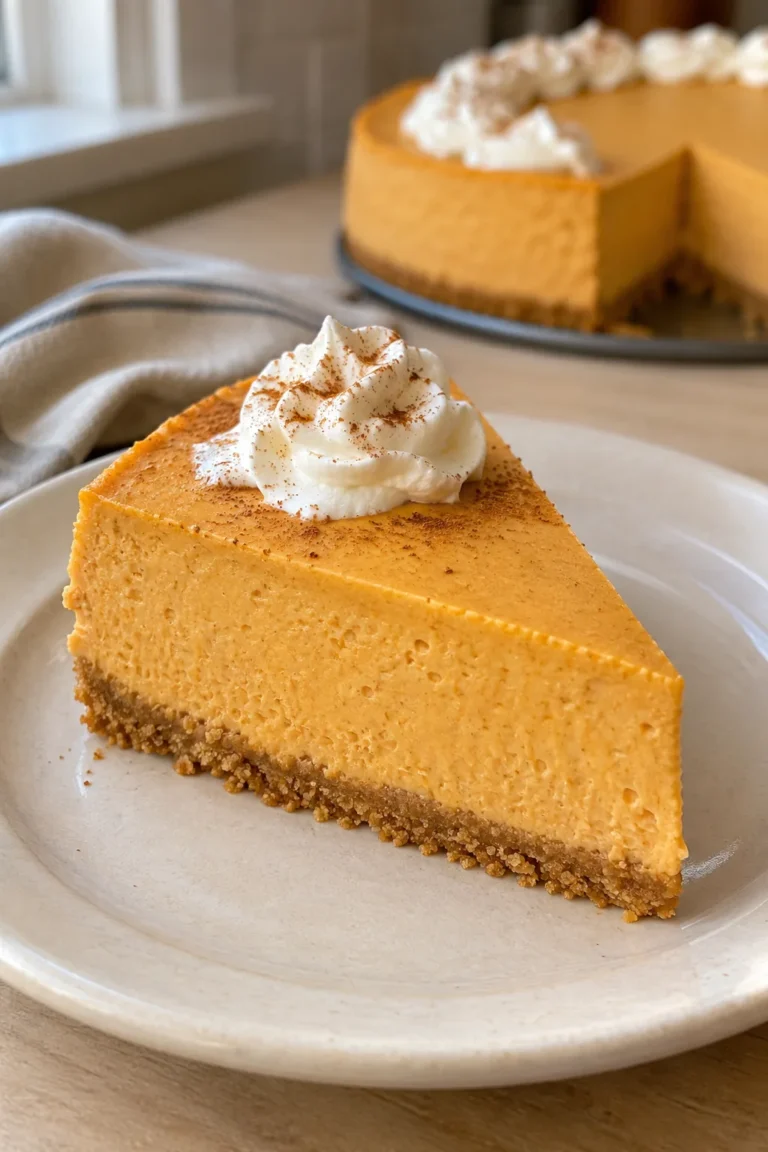
No-Bake Pumpkin Cheesecake
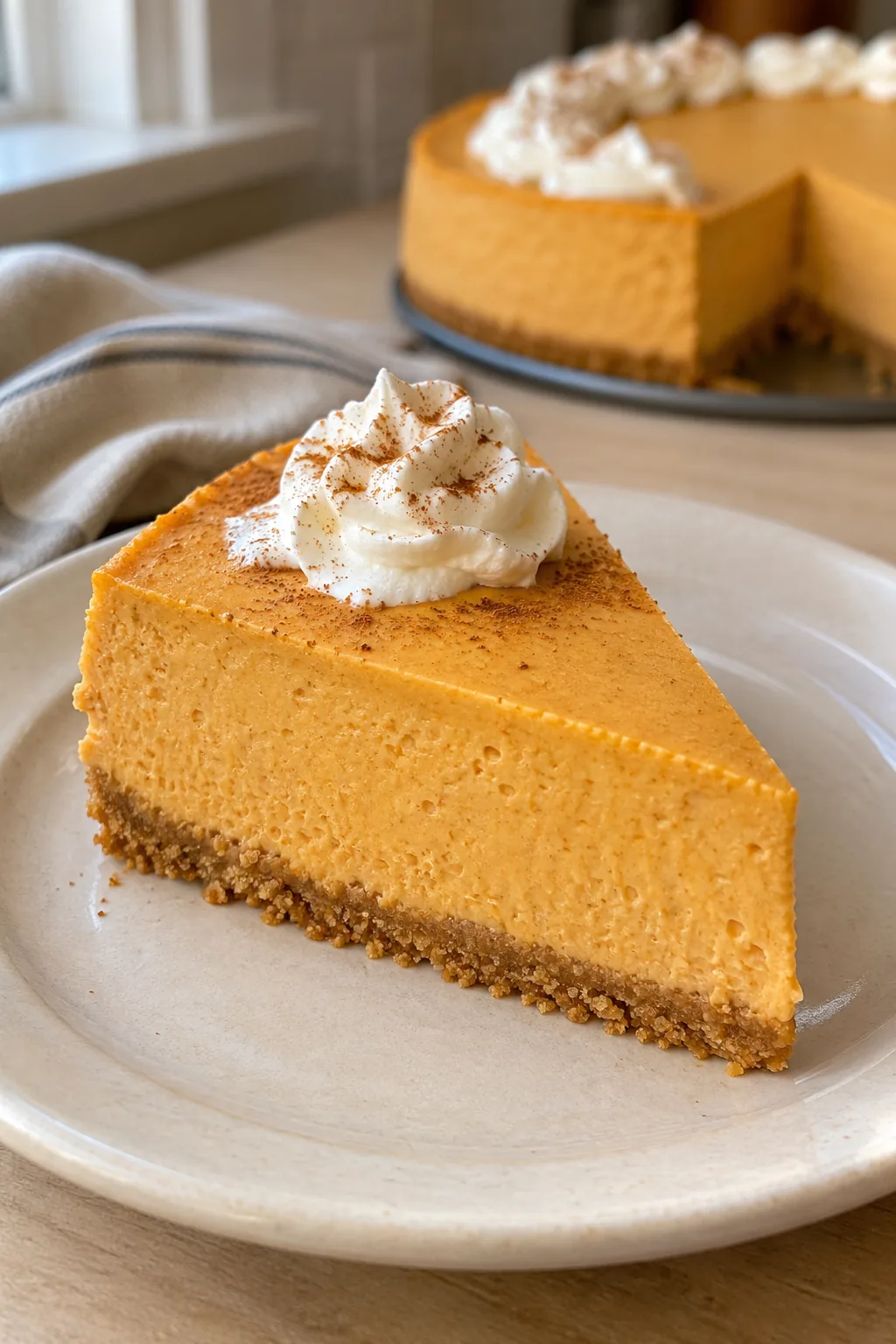
Two cups of blended cottage cheese replace part of the cream cheese in the filling, which still includes 8oz of cream cheese, a cup of pumpkin puree and a little gelatin. The crust is graham cracker crumbs and butter. Blend the cottage cheese for the full 60 to 90 seconds before adding anything else, or the texture comes out uneven. Chill at least four hours. Overnight slices cleaner. The recipe makes 10 slices at an estimated 10 to 13g of protein each. Get the cheesecake recipe.
Cottage Cheese Cookie Dough
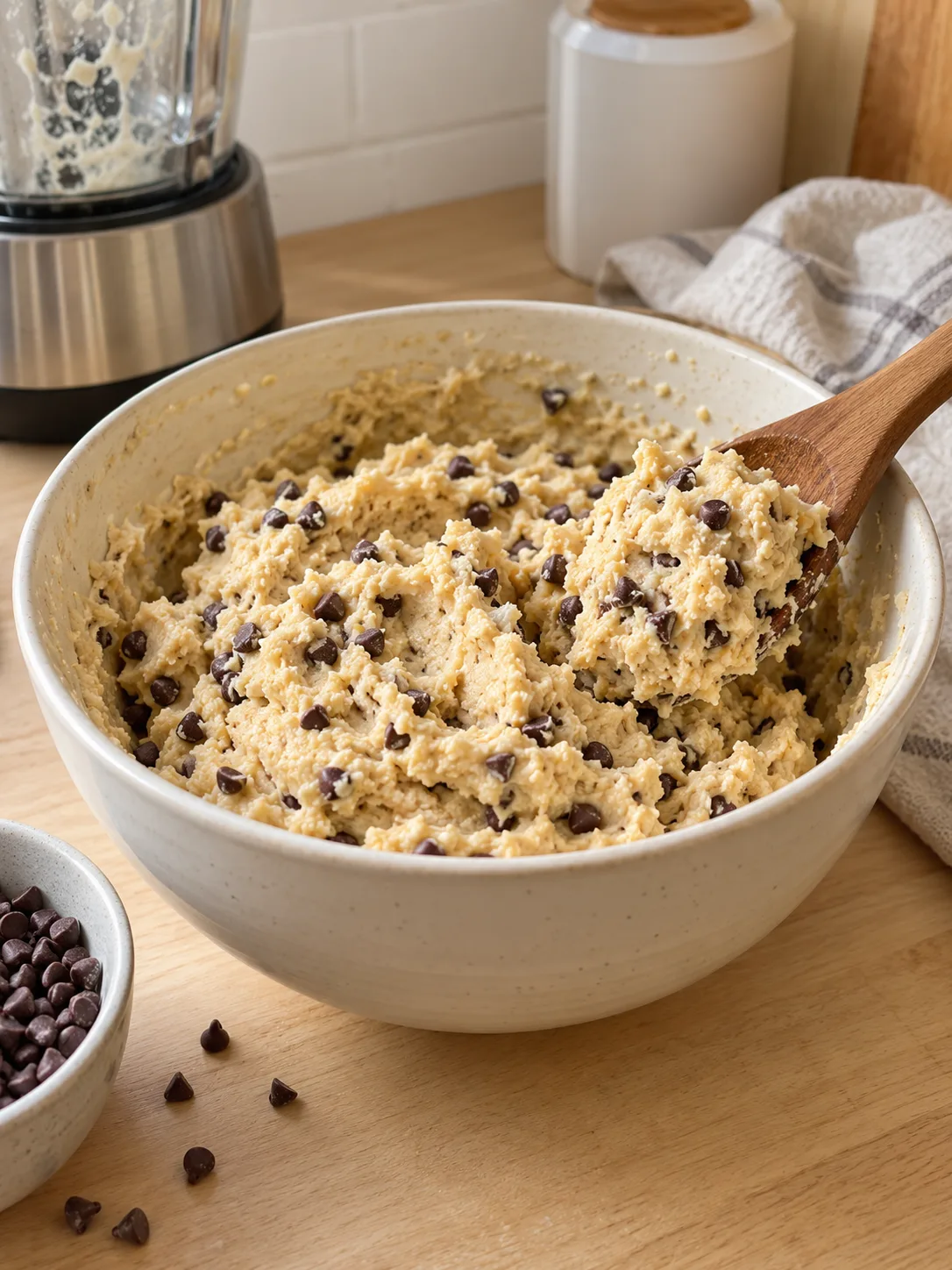
This spoonable dough is egg-free and contains no protein powder. The base is blended cottage cheese with vanilla, a little sweetener and nut butter, thickened with oat flour and finished with chocolate chips. Under-blending makes it grainy and too much flour makes it pasty, so add the flour in small amounts. Portion it into small containers for a quick sweet snack. Get the cookie dough recipe.
Buying and blending cottage cheese
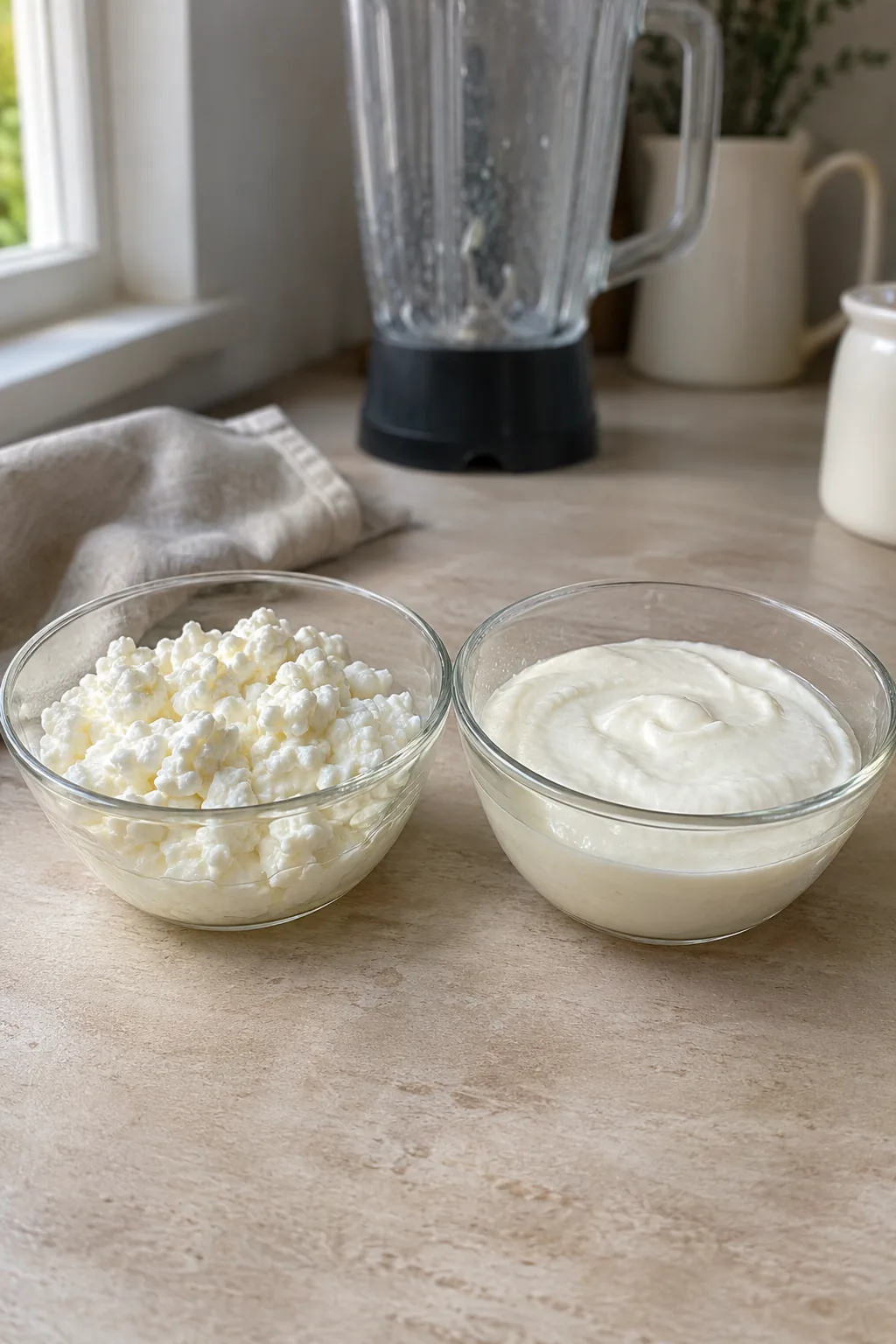
Small curd and large curd both blend smooth. Large curd takes a few extra seconds, so judge the blend by looking for lumps, not by the clock.
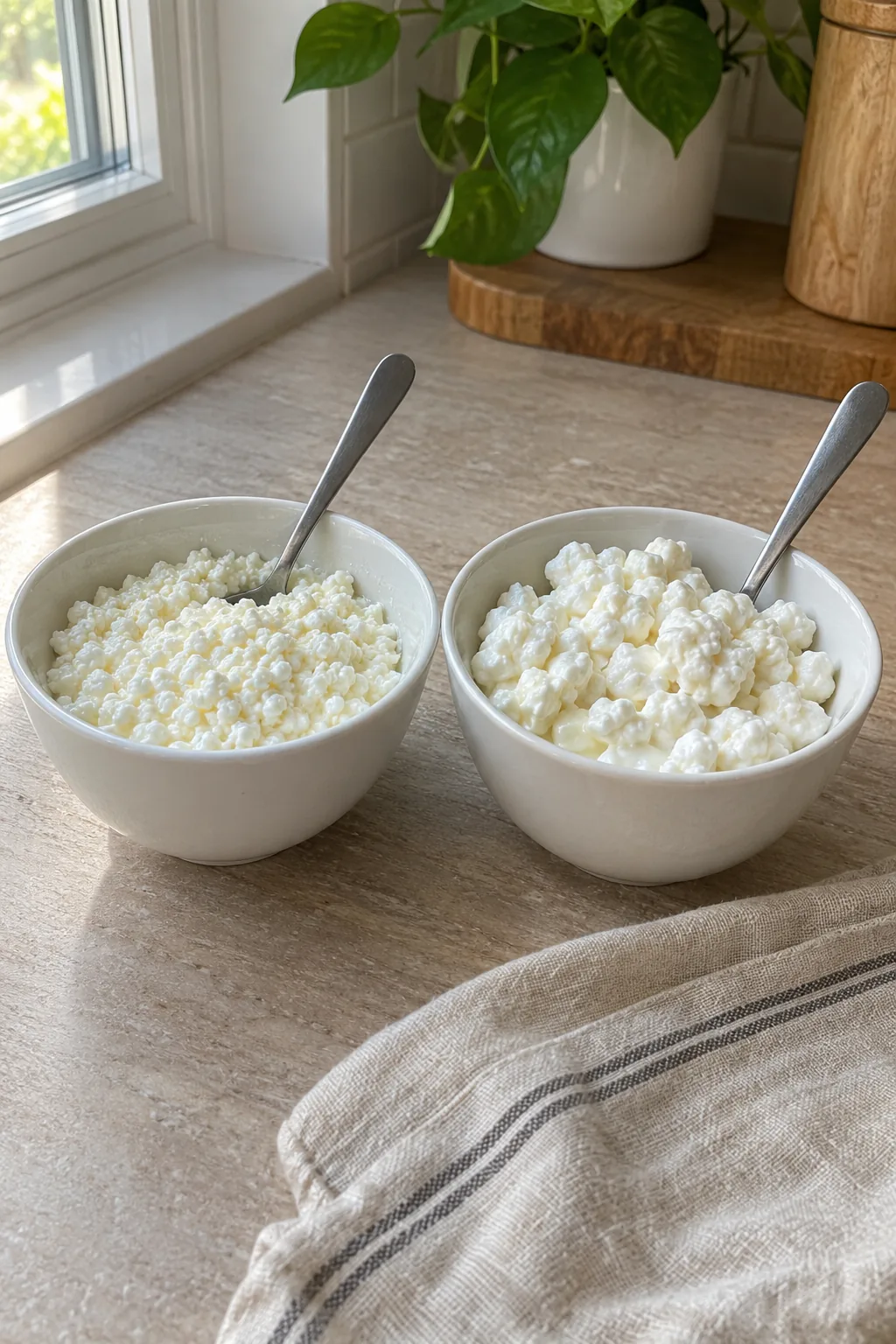
Fat level changes texture more than flavor. Recipes that bake, like the flatbread, come out more tender with 4% or higher. Dips and sauces work with 2%. Fat-free can bake dry and a bit rubbery.
Store brand works in every recipe on this page. Blending removes any texture difference, so a name brand adds cost and nothing else. Brands do differ in moisture and salt, so taste the finished dish before you add more salt. A lower-salt tub can leave a mild tang in dishes like the mac and cheese, which sharp cheddar or a teaspoon of Dijon covers.
For blending, use a blender or food processor and run it 45 to 90 seconds, until you see no curds. An immersion blender also works. With only a fork, mash it hard and expect a few small flecks of curd in the finished dish.
Fixes for common problems
Grainy texture means the cottage cheese was under-blended, or a cheese sauce got too hot. Blend longer and keep the sauce heat low.
If the flatbread is gummy in the middle, the batter was too thick. Spread it to a quarter inch and bake two thin batches. If it sticks to the pan, line the pan with parchment or a silicone mat every time.
Pancakes that brown before they set came from a pan that runs too hot. Hold medium heat and lower it if the first pancake darkens before bubbles show. Tough pancakes mean the batter was over-mixed after the flour went in, so pulse in short bursts.
Cookie dough that feels pasty got too much oat flour. Add it in small amounts and stop when the dough holds a scoop.
A sample week from one shopping trip
Four of these recipes share ingredients, so one trip covers them. Across the flatbread, pancakes, mac and cheese and queso, you use about 5.5 cups of cottage cheese. Check how many cups your tub holds before you buy. You also need six eggs, about 2.5 cups of cheddar, macaroni, flour and taco seasoning.
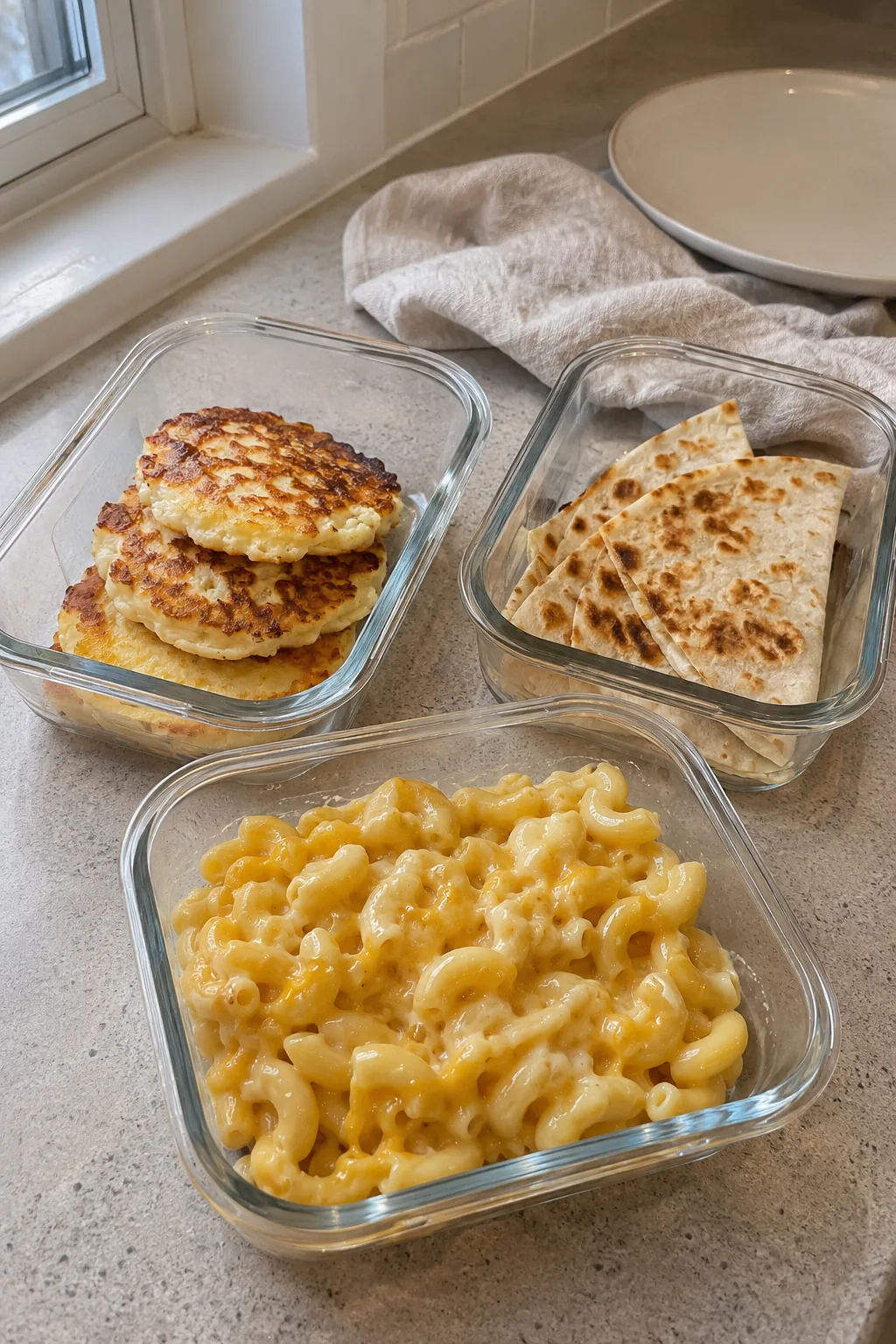
On Sunday, bake the pancake sheet pan and the flatbread and freeze half of each. Monday and Tuesday, reheat pancakes for breakfast and use the flatbread as a wrap with leftover chicken or beans. Make the mac and cheese on Wednesday for dinner, then reheat it for lunch on Thursday and blend a batch of queso for the weekend. On Friday, thaw the frozen flatbread, top it and use it as a pizza base, and spoon the queso over rice for a second dinner.
If you want to stock the rest of the kitchen the same way, the cheap protein grocery list shows what to buy. The easy freezer meals page and the high-protein lunches on a budget page fill in the rest of the week.
Frequently asked questions
Can you use cottage cheese in place of ricotta?
Often, yes, once you blend it. Expect a tangier and looser result than ricotta gives.
Will these recipes taste like cottage cheese?
Blended and combined with other ingredients, the savory recipes taste of cheddar and seasoning and the sweet ones taste creamy with a light tang. A strong cottage cheese taste points to under-blending or a very salty tub.
Do I need a blender?
A blender gives the smoothest results, and a food processor or immersion blender comes close. Without any of them, mash the cottage cheese with a fork and accept some curd flecks.
Which recipes freeze well?
The flatbread and the pancakes freeze well. The mac and cheese does not, because the sauce turns grainy after thawing. Each recipe page lists its own storage notes.
Do any of these recipes use protein powder?
No. The protein comes from cottage cheese and eggs.
How long does an opened tub last?
Follow the date printed on the package and keep opened tubs in the fridge. Use a clean spoon each time.