No Frills Cheap Protein Guide
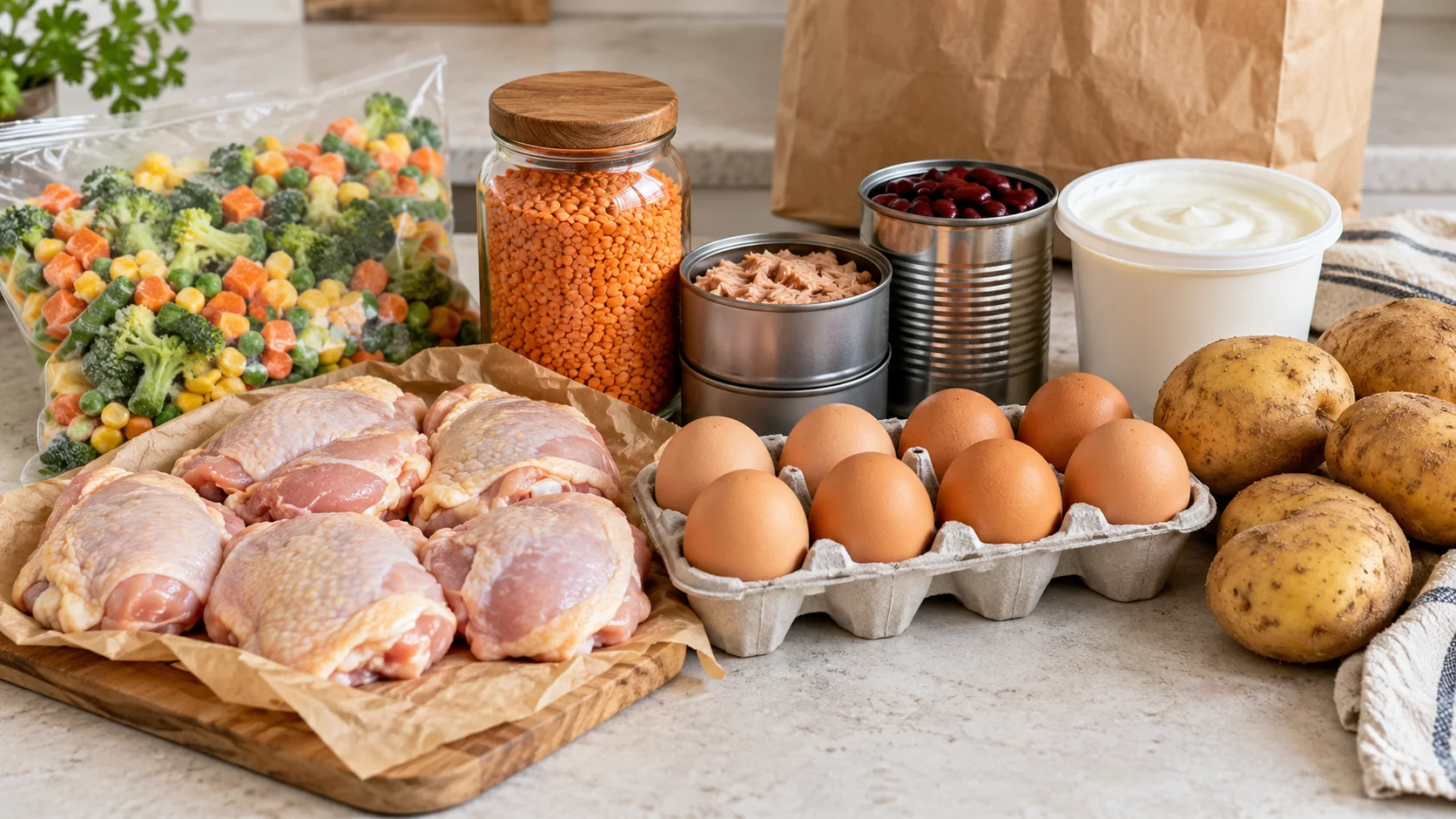
No Frills keeps everyday prices low on many basics, but some protein buys are much better than others. Knowing which is which adds up to real savings over a month of grocery runs, especially since No Frills leans harder on flyer deals than some other chains.
Prices vary by location and weekly flyer. Use the figures below as a starting point, then check the shelf tag before buying.
What makes No Frills useful for protein shopping
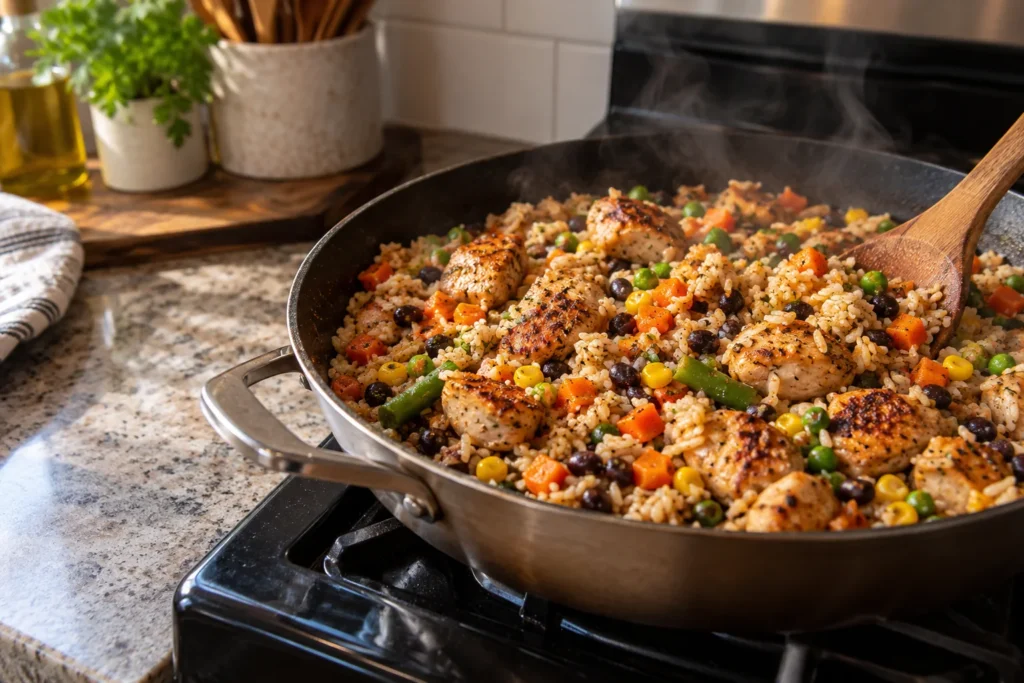
Everyday prices on basics tend to run lower than at larger full-service chains, and the flyer cycle brings useful discounts on chicken, eggs, and canned fish on a fairly regular basis. The trade-off is fewer premium and specialty options. That usually does not matter when the goal is affordable protein. Stock varies somewhat by location, so not every item below will be at every store.
Best protein buys at No Frills
Chicken (fresh and frozen)
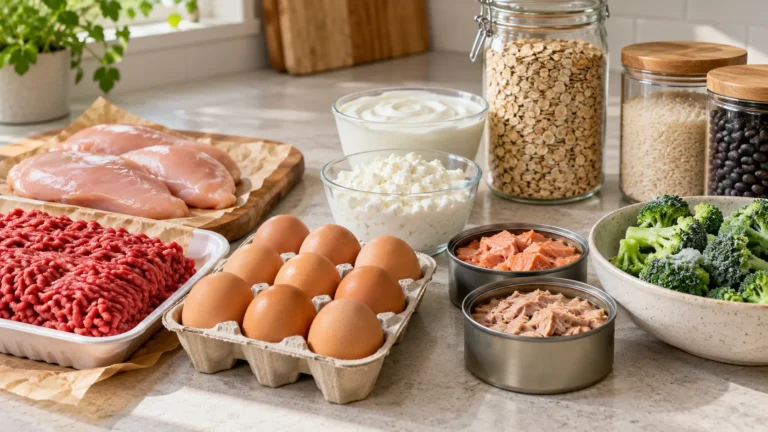
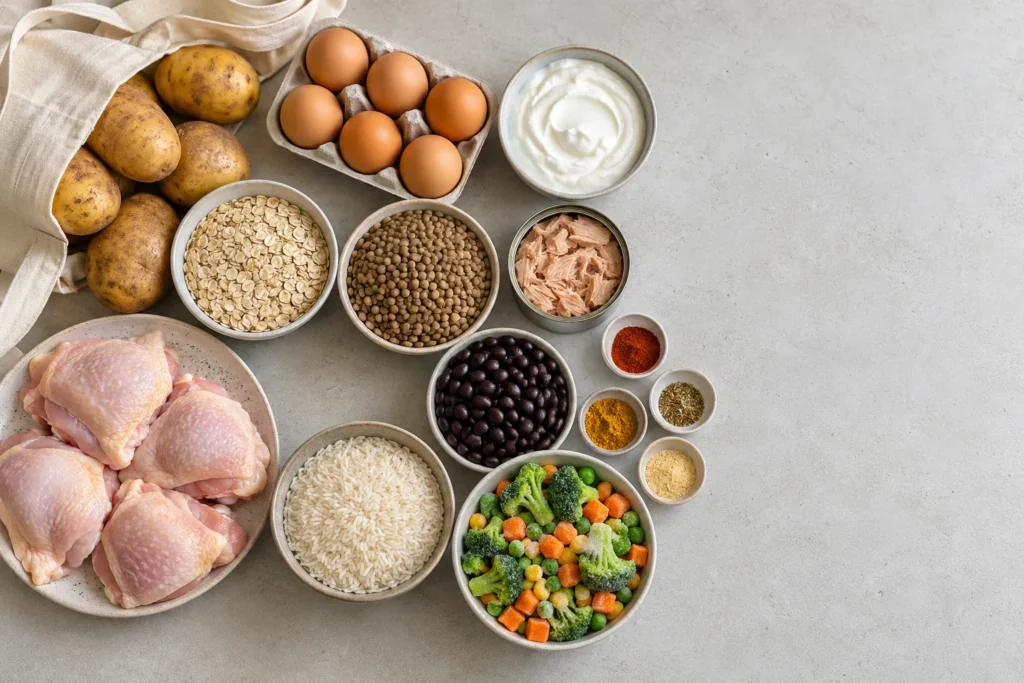
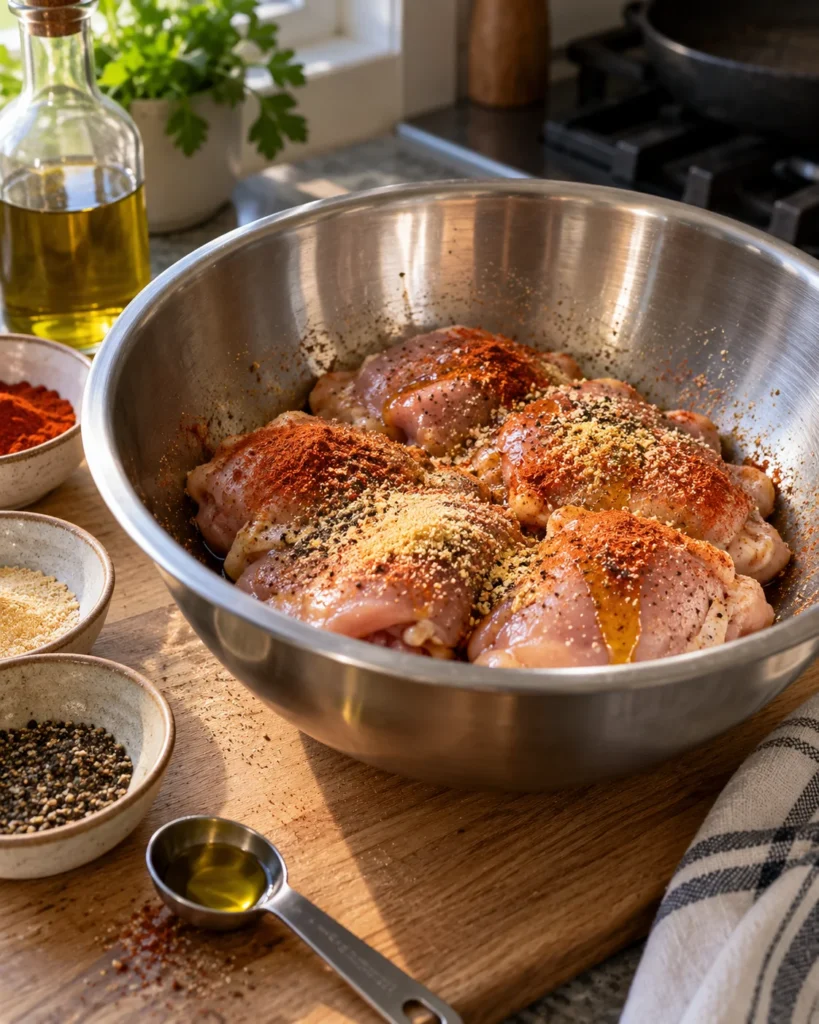
Whole legs, thighs, and breasts all move through regular flyer rotations here. Bone-in cuts often cost less per package. Boneless chicken gives you more edible meat per 100g, so the better buy depends on whether you mind deboning it. Club-pack boneless skinless chicken thighs vary a lot in price depending on the specific product and whether it’s on flyer , check current pricing, since the spread here is wide.
Eggs
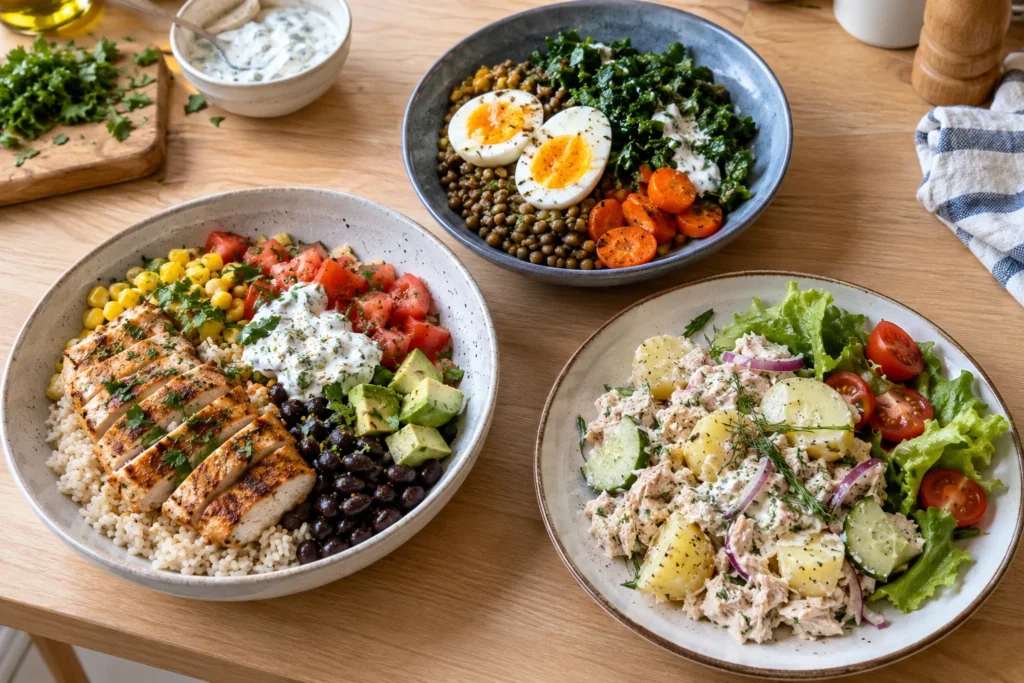
No Name large eggs (12-count) are one of the cheaper options per egg. That makes them one of the better protein buys in the store. Eggs go on sale regularly; an 18-count can drop meaningfully below the per-egg price of the 12-count when it’s discounted, so it’s worth comparing both sizes against the current flyer.
Canned tuna and canned fish
No Name flaked light tuna in water is a strong value per can. Name-brand options like Clover Leaf or Unico cost more for a comparable size, with the price difference mostly reflecting brand rather than any meaningful nutritional gap. Water-packed is the better choice for protein density per calorie over oil-packed.
Dried lentils and canned legumes
PC Blue Menu dried red lentils run notably cheaper per kilogram in the larger club-size bag than the smaller 900g bag. Buy the larger bag only if you use lentils regularly and have a sealed container for them. Dried lentils need no soaking and cook in about 20 minutes; canned chickpeas and black beans are ready straight from the can but cost more per gram of protein than dried lentils do.
Dairy basics
Milk, cottage cheese, and Greek yogurt are all stocked, though there are fewer brands and sizes than at a full-size grocery store. Plain versions of both cottage cheese and Greek yogurt offer a noticeably better protein-to-price ratio than flavoured versions, which carry added sugar for a similar price.
What to watch out for
Pre-seasoned or marinated meats are consistently marked up compared to the plain version of the same cut , the seasoning itself usually costs a small fraction of what the markup actually is. Smaller package sizes can also be deceptive: a small tray sometimes works out to more per 100g than it looks like at a glance, so it’s worth checking the per-kilogram or per-100g price printed on the shelf tag rather than just the sticker total. Protein bars and supplements are rarely the strongest buys here. Stores with a larger health-food section may offer more choice.
Using the flyer for protein deals
Check the weekly flyer online or in the No Frills app before shopping. Chicken, eggs, and canned fish rotate through discounts regularly. Stocking up on chicken when it’s discounted and freezing the extra is one of the highest-value moves available to anyone eating budget high-protein meals regularly; the saving from buying at the flyer price instead of the everyday price often beats anything else on this list.
Simple meals from a No Frills protein haul
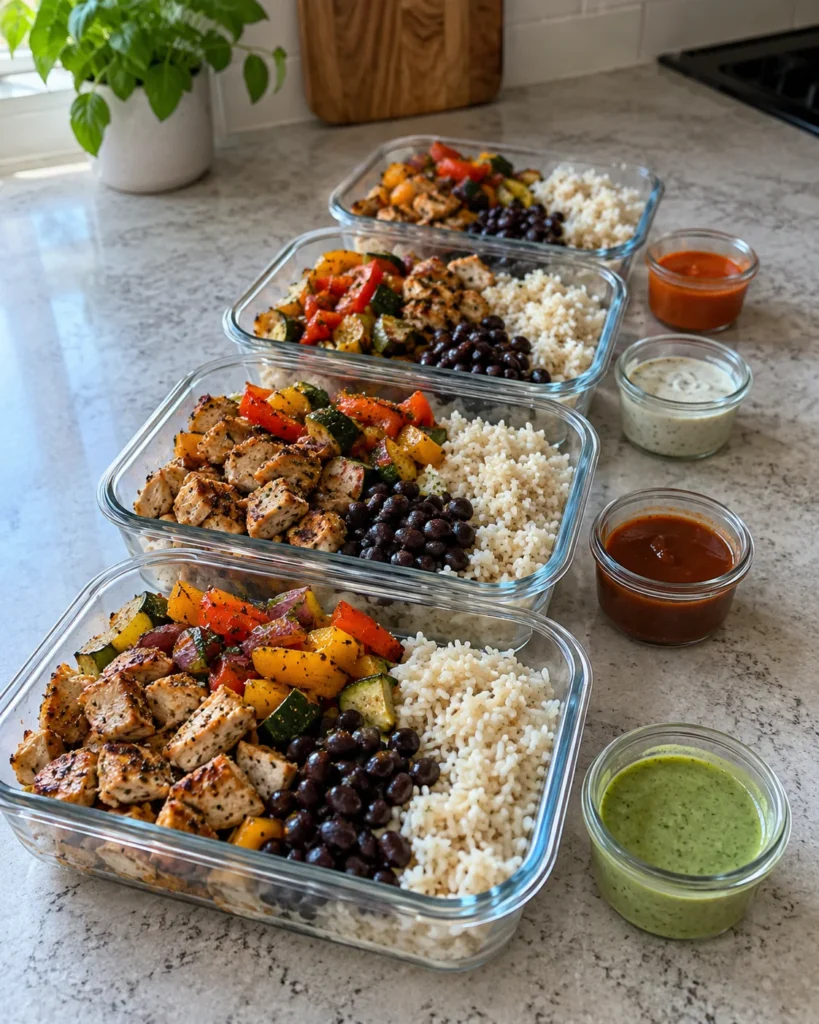
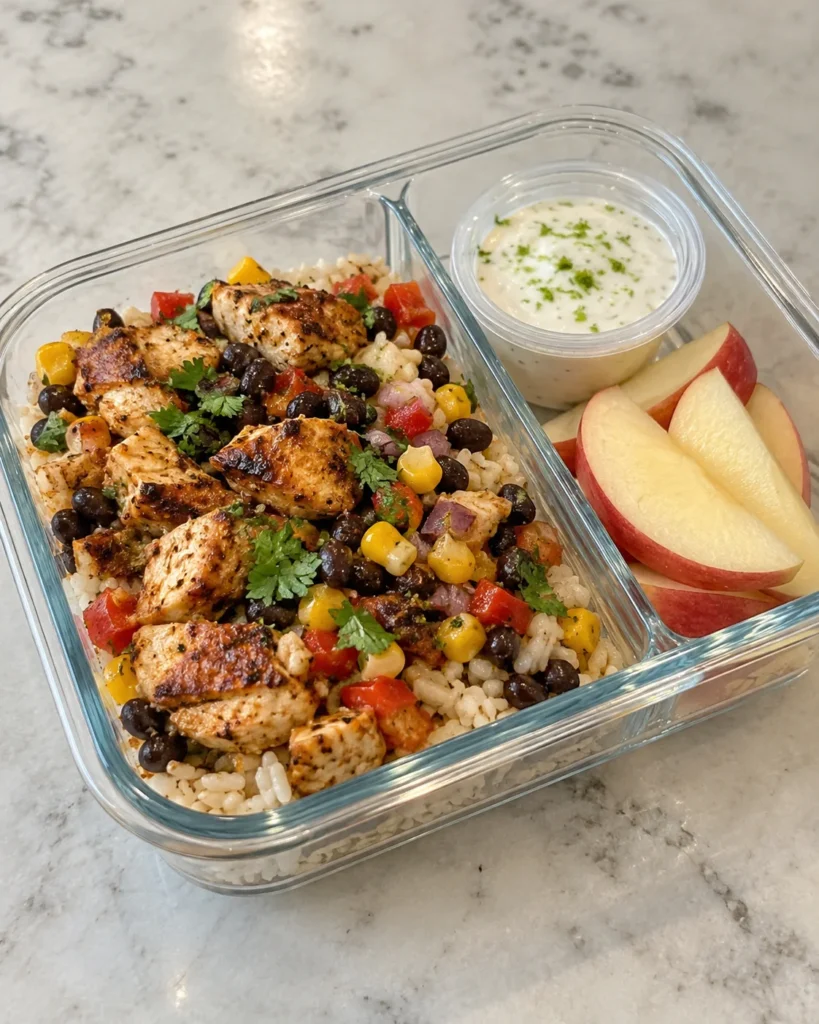
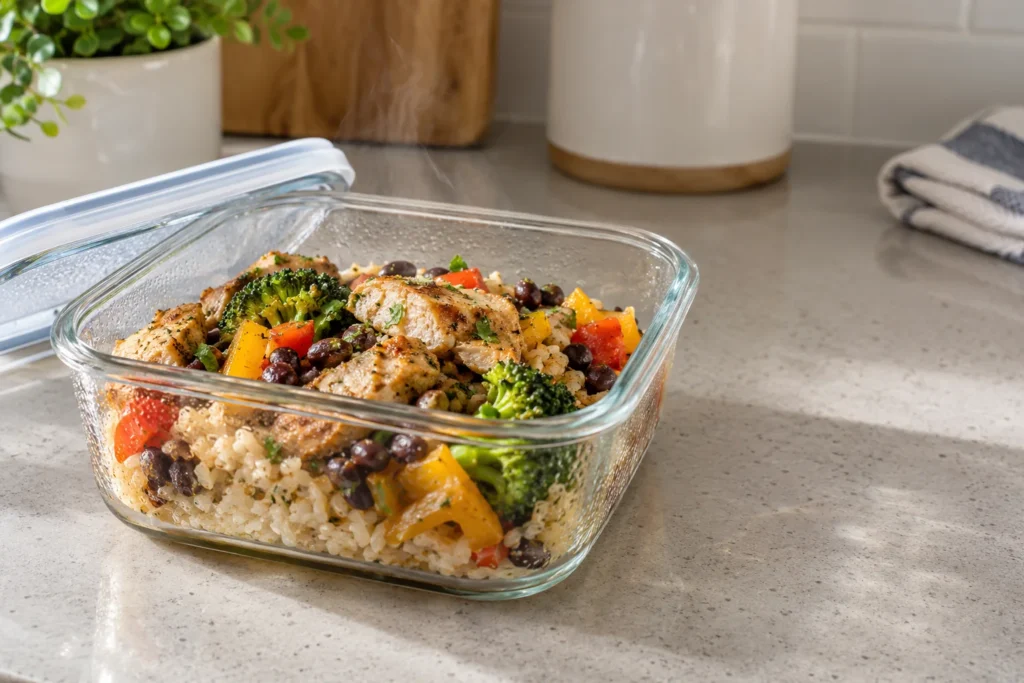
- High-Protein Chicken Rice Meal Prep Bowls: using flyer-priced chicken thighs
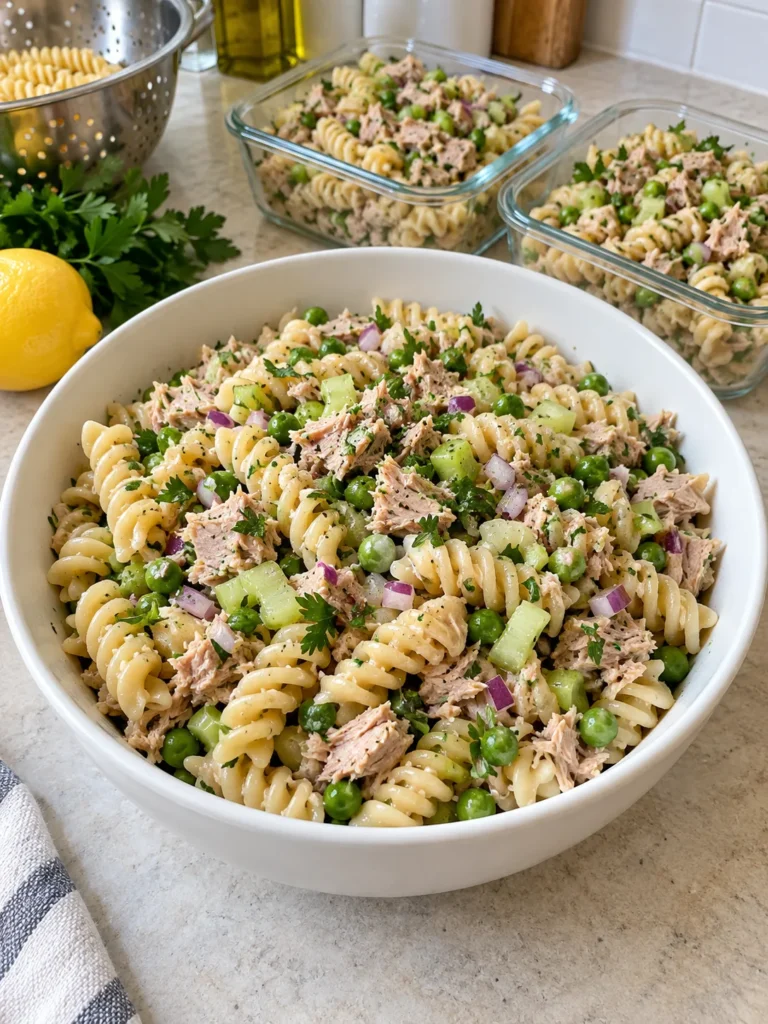
- Budget High-Protein Tuna Pasta: using No Name canned tuna
- Budget High-Protein Lentil Chili: using the club-size dried lentils
- Egg and Potato Breakfast Meal Prep: using the 12 or 18-count eggs
A quick shelf-tag check
When two packages look similar, ignore the sticker total for a moment and compare the price per kilogram or per 100g. For the same food, that number is the fastest way to spot the better buy. Then check whether one package includes bone, skin, sauce, or extra liquid. A cheaper tray is not much of a deal if a large part of the weight will not end up on the plate.

Store a protein haul so it gets used
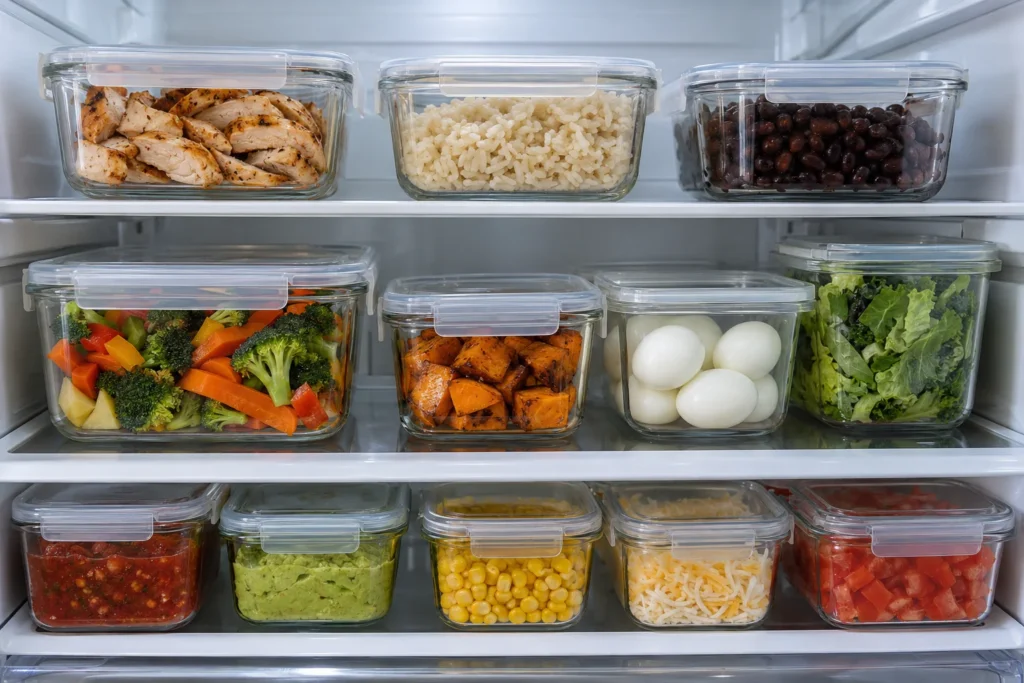
- Split family packs into meal-size portions before freezing. Write the cut, portion size, and date on each bag.
- Freeze chicken bags flat so they stack neatly and thaw more evenly.
- Keep one or two cans of fish near the front of the pantry for fast lunches. Put newer cans behind older ones.
- Move lentils into a sealed container and write the cooking ratio on the lid. That small note saves a search every time you cook them.
- Buy large tubs of yogurt or cottage cheese only when they already fit the week’s meal plan. A lower unit price does not help if half the tub is forgotten.
The shopping method that works best
Start with one flyer-priced meat, then add two steady-value proteins such as eggs, canned tuna, or lentils. This works better than chasing every sale because it keeps the cart focused and gives you enough variety for several meals. Build the meal plan after choosing those proteins, not before.
Related reading: Costco Cheap Protein Guide, Walmart High-Protein Grocery List, and Cheap High-Protein Meals on a Budget.