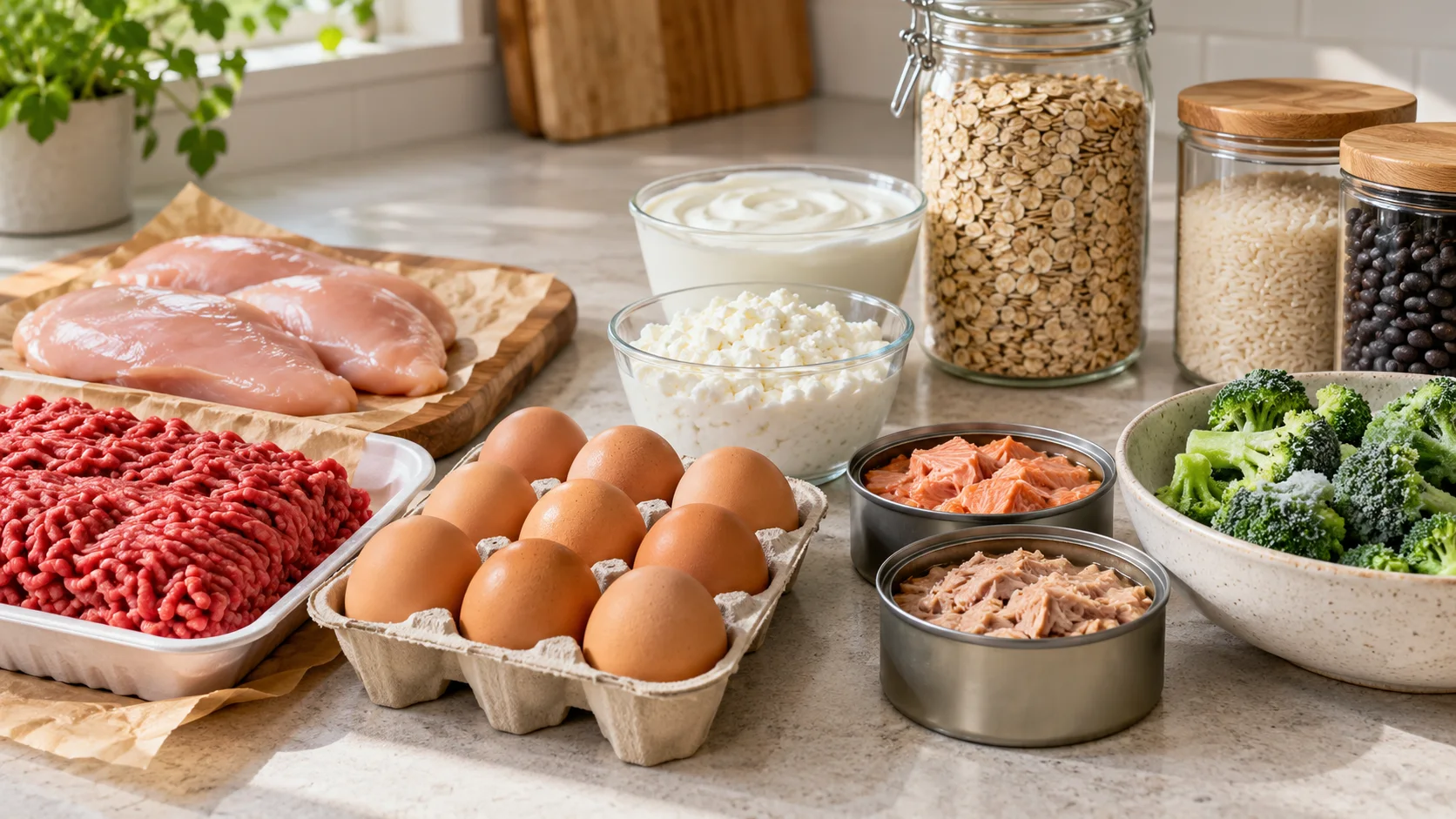
Costco Cheap Protein Guide
Costco can lower your cost per gram of protein — or it can trick you into bulk-buying something that actually costs more per gram than your regular grocery store, just because it felt like a deal. The difference is knowing which items are worth it before you’re standing in the aisle with a 2kg tray in your cart. This guide covers the protein sections worth your membership and the ones that aren’t.
Prices below are based on research at time of writing and will vary by location, region, and over time — use them as a starting point for comparison, not a guarantee of what you’ll see at the till.
Why Costco works for protein, and when it doesn’t
The advantage is almost entirely about package size. A 2kg tray of chicken breast has a lower per-kilogram cost than the same chicken in a 500g tray at a regular store, because less of the price is going toward individual packaging. That advantage disappears, though, if you can’t use or freeze the full amount before it spoils, or if you’re buying a premium or specialty version of something that has a cheaper plain equivalent at a regular grocery store. The membership fee itself only pays off if you’re making regular trips — for someone shopping once a month, the math is different than for someone going weekly.
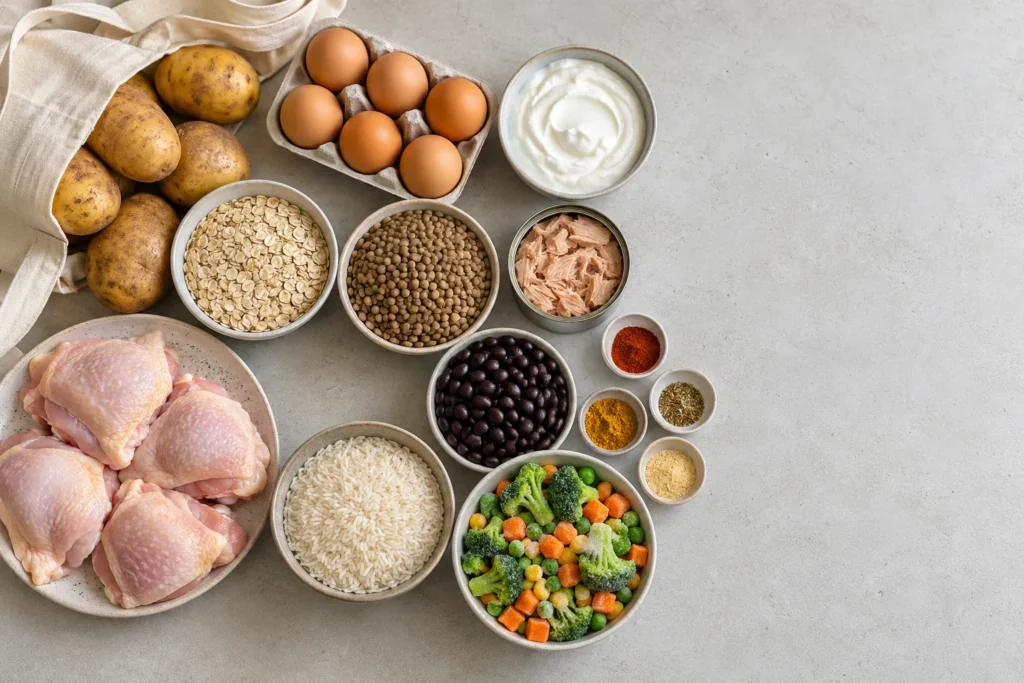
Best protein buys at Costco
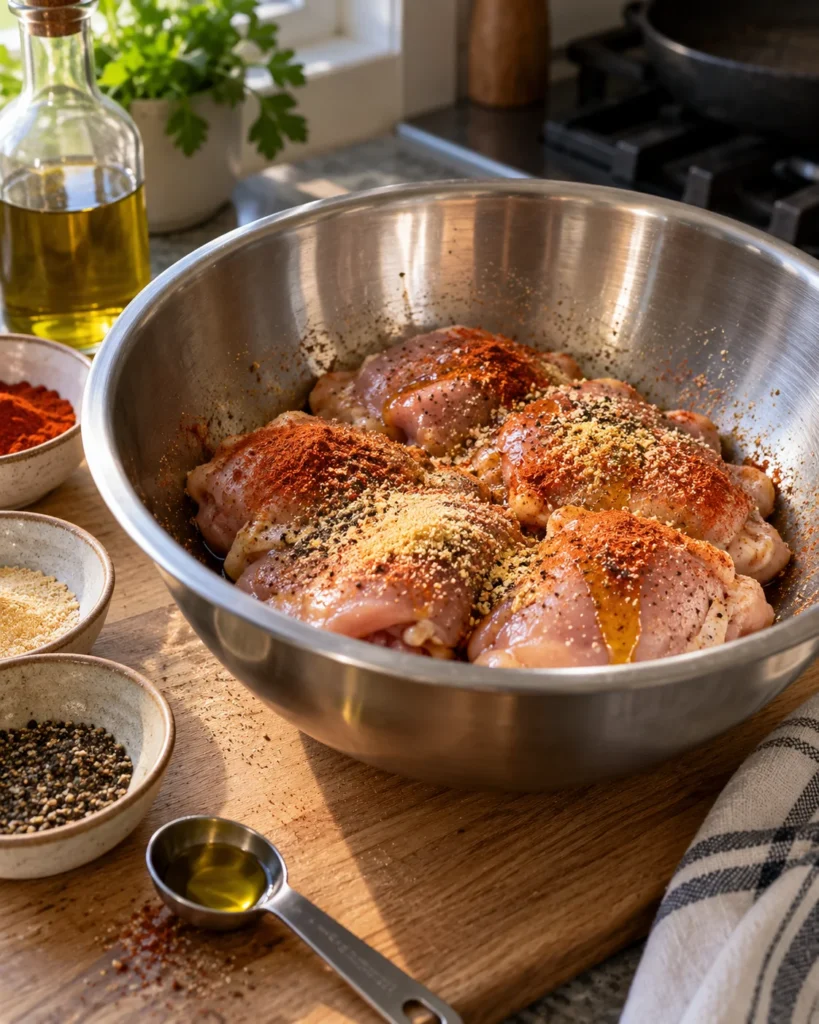
Chicken breasts and thighs
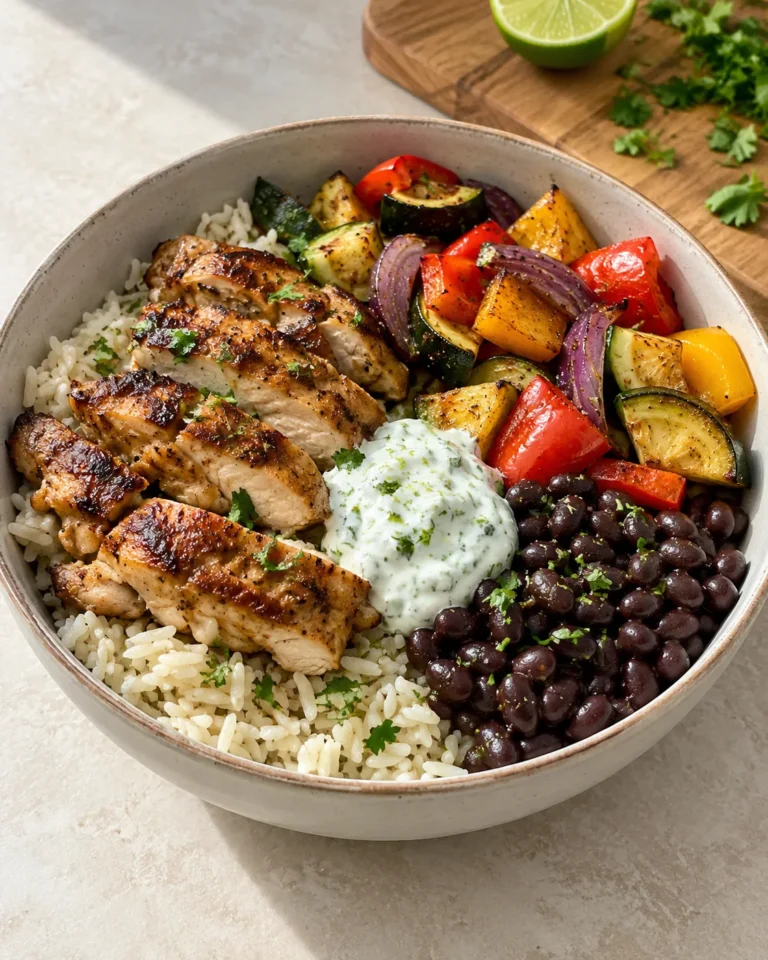
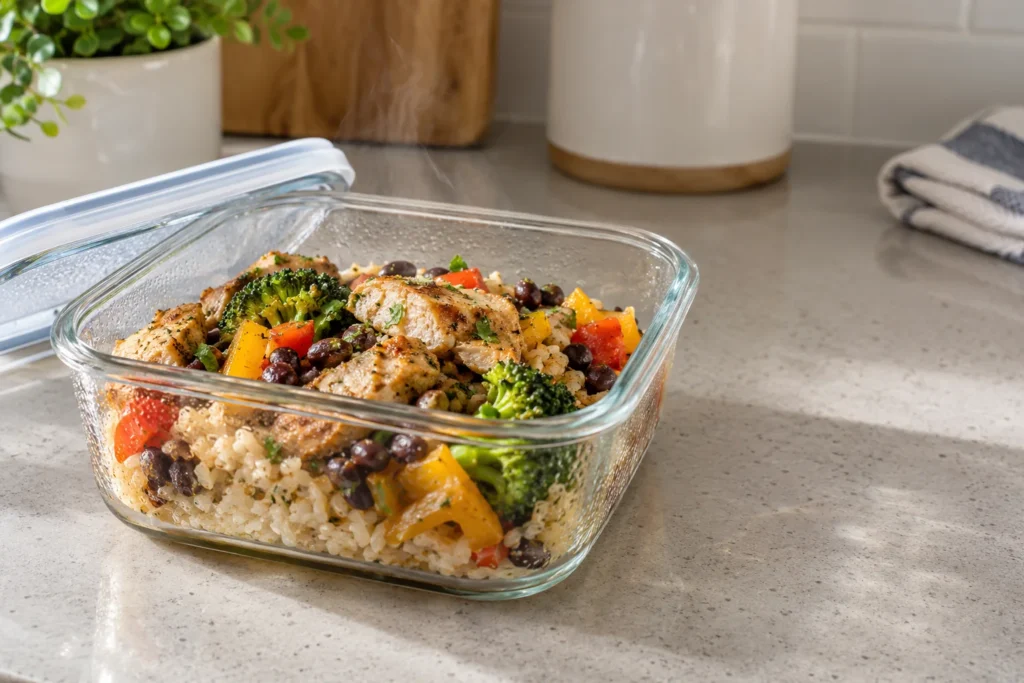
Kirkland Signature boneless skinless chicken breast is sold in a roughly 2kg pack at a solid per-kilogram value for boneless breast specifically, though thighs at a regular discount grocer can still come in cheaper per gram of protein — breast has a slight protein-per-100g edge over thigh, but the price gap usually favours thighs. Portion the pack into meal-sized amounts and freeze immediately; don’t let the whole 2kg sit in the fridge waiting to be used. Works directly in the chicken rice meal prep bowls recipe.
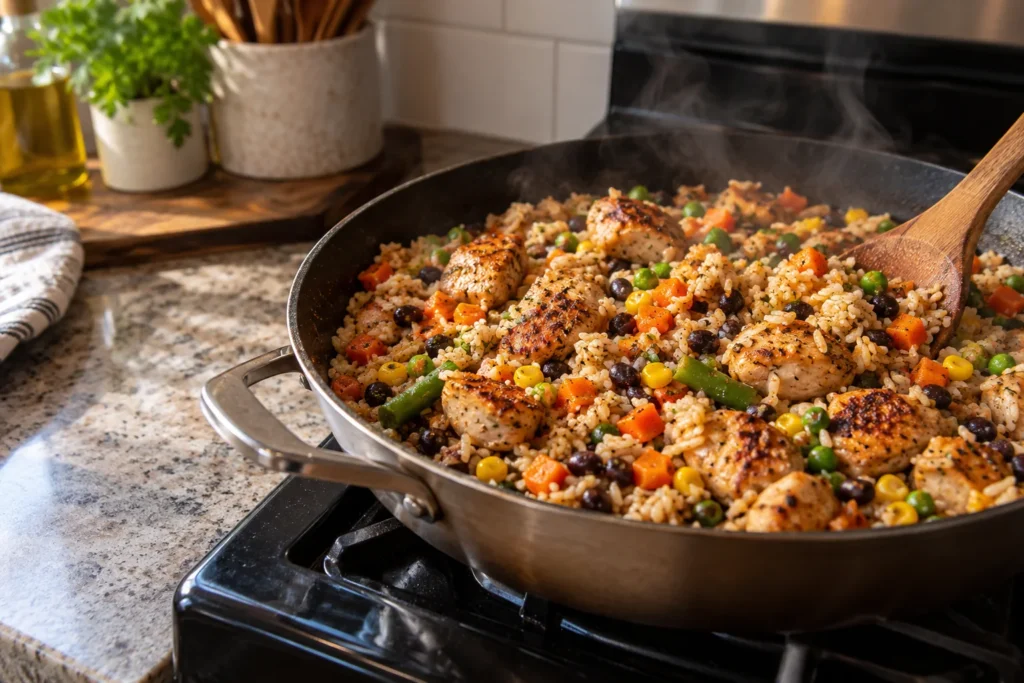
Eggs
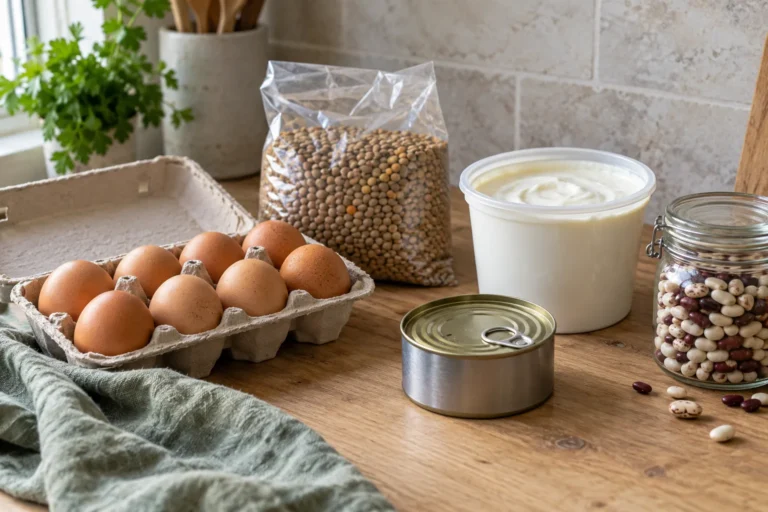
A 30-count flat of large eggs works out to a strong per-egg price, competitive with or better than most regular grocery store pricing. Organic or free-range versions cost noticeably more per egg for a modest nutritional difference; the regular flat is the better value pick if cost is the priority. Eggs keep for weeks in the fridge, so a 30-count flat isn’t the commitment it sounds like.
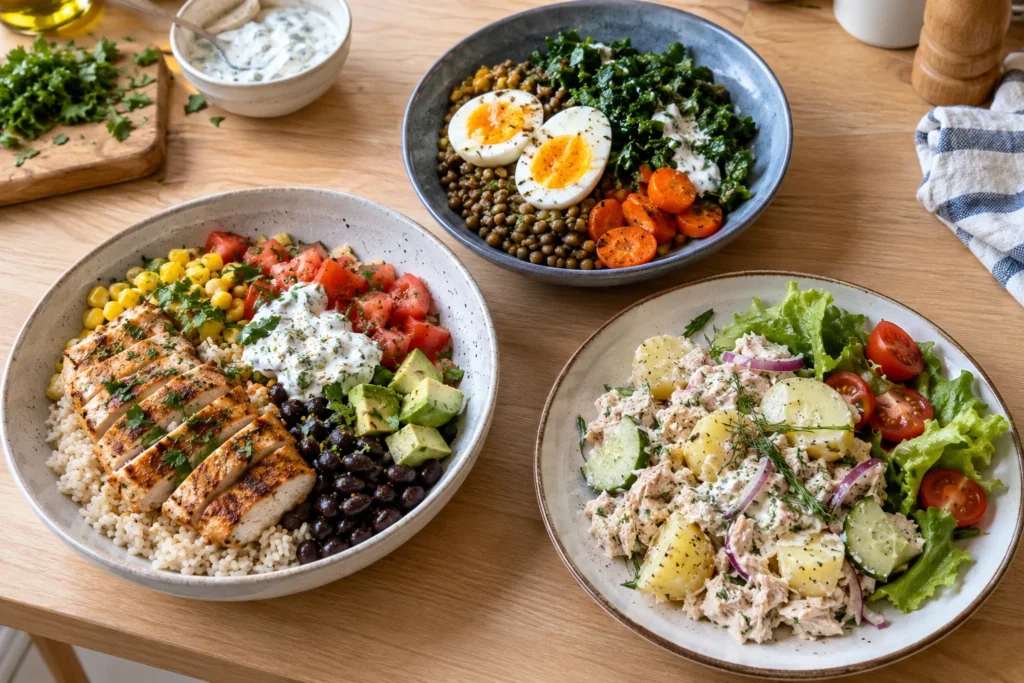
Ground beef and ground turkey
Lean ground beef is sold in a large tray format at a solid per-kilogram price. Split the tray into meal-sized portions immediately and freeze what you won’t use in the next two days — this is the single most important step for getting good value out of a bulk meat purchase, since a forgotten tray in the back of the fridge is the fastest way to lose the savings. Ground turkey availability varies by location; not every Costco carries it consistently.
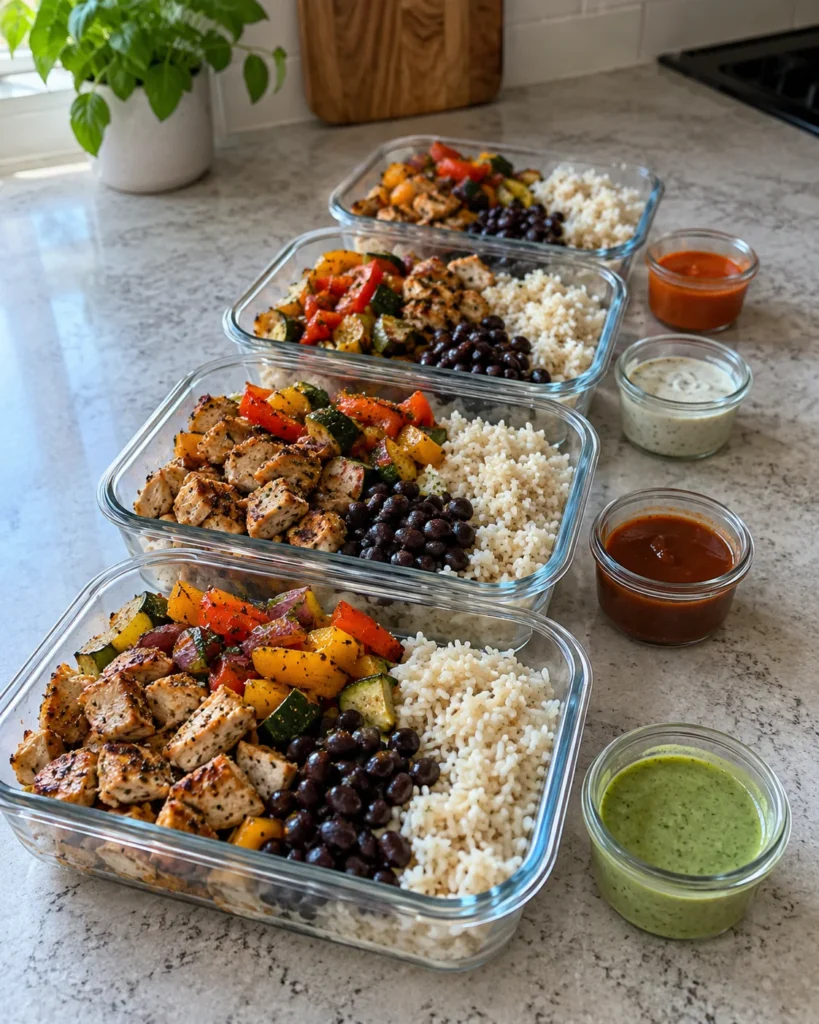
Canned tuna and salmon
This is one category where Costco doesn’t automatically win. An 8-pack of premium canned tuna can work out to a higher cost per 100g than store-brand tuna on sale at a discount grocer. It’s still a reasonable, shelf-stable option — just worth comparing against whatever your regular store’s flyer price is before assuming Costco is cheaper here specifically.
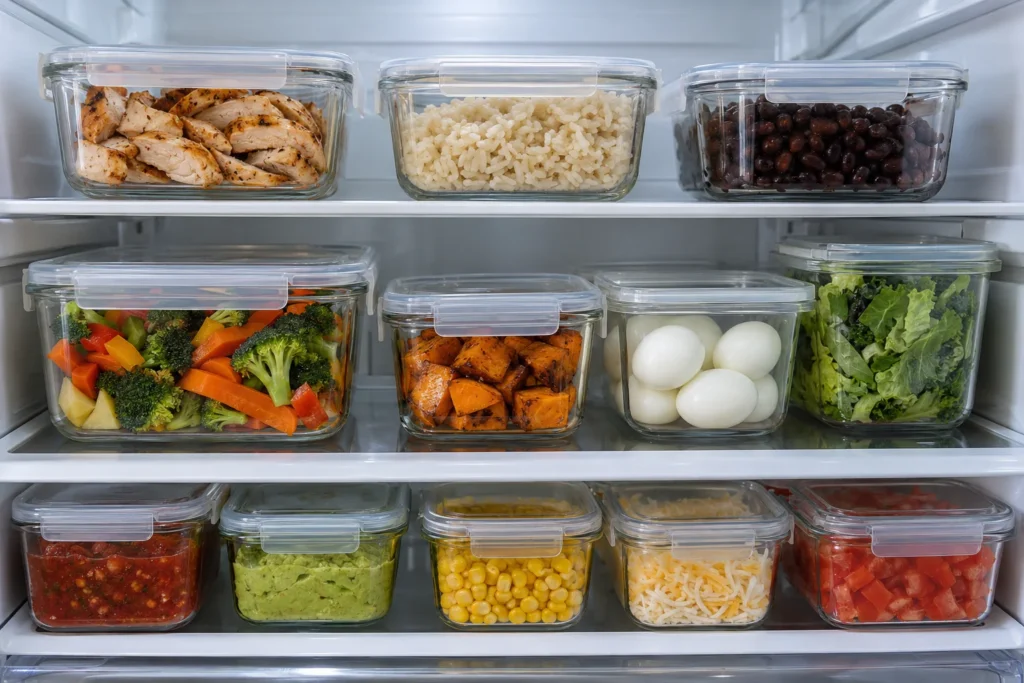
Greek yogurt
Large tubs of plain Kirkland Signature Greek yogurt are competitively priced per kilogram. Plain beats flavoured on both counts: more protein density, less sugar, for the same price. A good pick for a high-protein breakfast week.
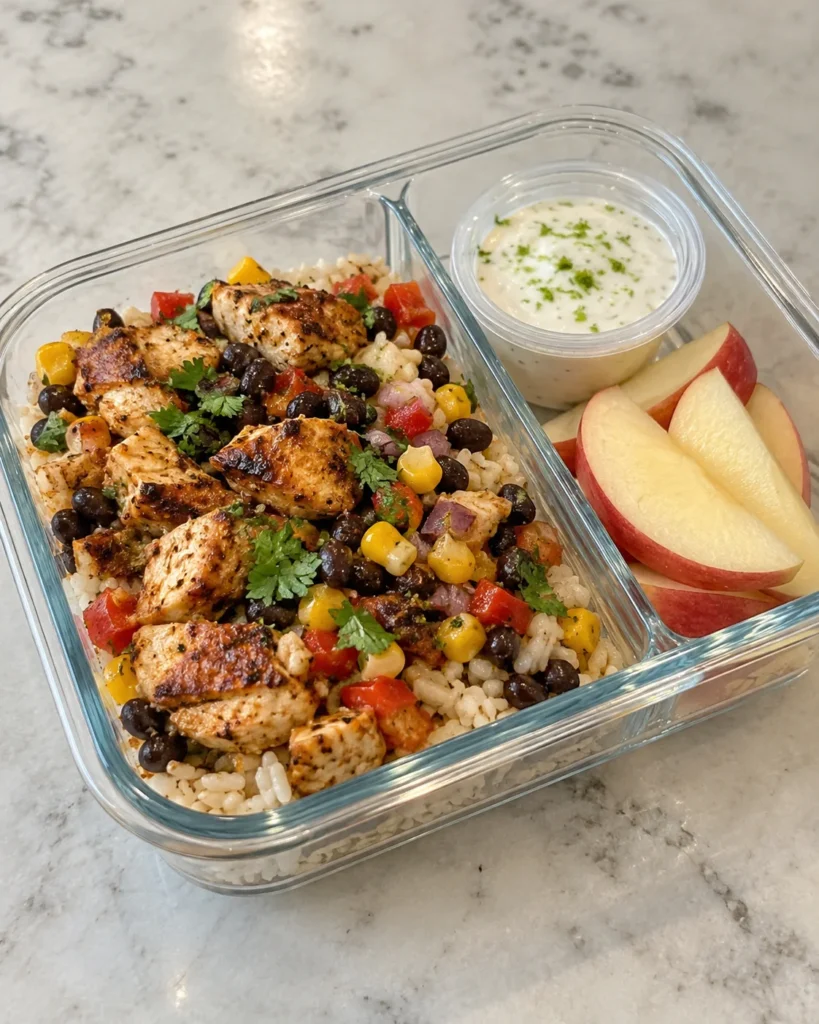
Cottage cheese
Where available, large tubs are a solid value, in line with regular grocery store pricing. Availability varies more by region for this item than for most others on this list, so don’t assume it’s stocked at every location.
Lentils and dried legumes
Large bags of dried lentils, chickpeas, and black beans are consistently one of the best per-gram protein values anywhere in the store, Costco included. They store for a long time in a sealed container, so there’s little downside to buying in bulk here. Red lentils need no soaking — just rinse and cook. Full recipe: Budget High-Protein Lentil Chili.

What to skip or buy carefully
Protein bars, pre-marinated meats, deli meats, and pre-made meals are all places where you’re paying a premium for convenience or flavouring rather than for protein itself. The fastest way to spot a weak value: check the grams of protein on the nutrition label, then divide the price by that number. A plain, unseasoned package almost always beats the seasoned or pre-made version of the same protein on a cost-per-gram basis.
How to compare cost per gram of protein
The formula is simple: take the price of the package, divide by the total grams of protein in the whole package (not per serving — the nutrition label’s serving size can make comparisons misleading unless you do the full-package math). For example, a tray of chicken breast with roughly 460g of total protein across the pack gives you a clear per-gram protein cost once you do the math. Run the same math on a comparable item at your regular grocery store before deciding whether the bulk size is actually the better deal. The cost per serving guide covers this in more depth.
The 20-minute bulk-storage reset
- Decide what will be cooked first. Keep only the next meal or two of raw chicken or ground meat in the fridge; freeze the rest the day you shop.
- Portion by recipe, not by package. Pack ground meat in 500–700g portions and chicken in the amount your usual dinner uses. Flatten freezer bags so they stack and thaw faster.
- Label three things: item, weight, and freeze date. Add the intended recipe if a portion is already marinated.
- Separate first-use dairy. Put the Greek yogurt or cottage cheese needed for the next few breakfasts at the front of the fridge so the large tub does not get forgotten.
- Move dry goods into sealed containers. Label lentils and beans with the purchase month and use the oldest stock first.
A simple freezer inventory that actually gets used
Keep a short list on the freezer door or in your phone with the number of chicken, ground meat, and cooked-bean portions available. Cross off a portion when you move it to the fridge. The list matters more than elaborate labels because bulk savings disappear when food is buried and bought twice.
Which buying strategy is best?
- Best Costco buys: proteins you can portion and freeze, plus shelf-stable legumes you already use regularly.
- Best regular-grocery buys: small dairy tubs, fresh items you may not finish in bulk, and canned fish when a flyer sale beats the multipack price.
- Best overall approach: compare unit price, buy only a familiar amount, and portion it immediately. Package size is not a saving unless the full package gets eaten.
Simple meals from a Costco protein haul
- High-Protein Chicken Rice Meal Prep Bowls — using the Kirkland chicken breast or thighs
- Ground Turkey Rice Meal Prep Bowls — when ground turkey is in stock
- Budget High-Protein Lentil Chili — using the bulk dried lentils
- Budget High-Protein Tuna Pasta — worth comparing the Costco tuna price against your regular store first
Related reading: No Frills Cheap Protein Guide, Walmart High-Protein Grocery List, and Best Cheap Protein Sources by Cost Per Gram.