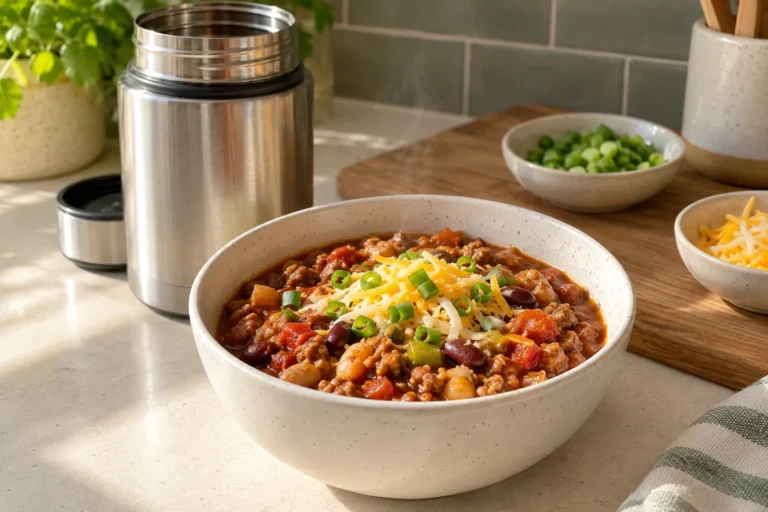

Thanksgiving Turkey Leftovers: Budget High-Protein Meal Prep
Thanksgiving ends and the fridge is suddenly full of turkey you already paid for. That’s the detail most leftover guides skip: this is the cheapest high-protein ingredient you’ll touch all year, because the cost already happened. Everything in this guide turns that pile of turkey into real meals instead of three sad sandwiches before it goes bad.
This guide gives you five ways to use leftover turkey, plus a simple stock method for the bones and clear storage times for each dish. Choose the options that fit the amount of turkey you have left.
| Estimated added cost per meal | Very cheap |
| Protein source | Already-cooked turkey |
| Fridge window | 3-4 days |
| Freezer window | Up to 4 months |
| Treatments covered | 5, plus stock |
*Cost is an estimate for added ingredients only, the turkey itself is treated as already paid for.
How much turkey is left?
Before picking a treatment, it helps to know roughly how much you’re working with. As a rough guide, a 12-14lb turkey that served 8-10 people usually leaves 4-6 cups of meat once it’s off the bone, assuming a normal amount of enthusiasm at the table. A smaller 8-10lb bird feeding 4-6 people tends to leave closer to 2-3 cups. If you’re unsure, pull the meat from the bones first. The amount is much easier to judge once it is in a bowl.
- 2-3 cups leftover: one treatment, probably the soup, since it stretches furthest.
- 4-6 cups leftover: enough for two different treatments, or one treatment plus a batch for the freezer.
- More than 6 cups: worth making three treatments and freezing at least one, since fresh leftovers only have a few days before the fridge clock matters more than creativity.
Choose the best use for your leftovers
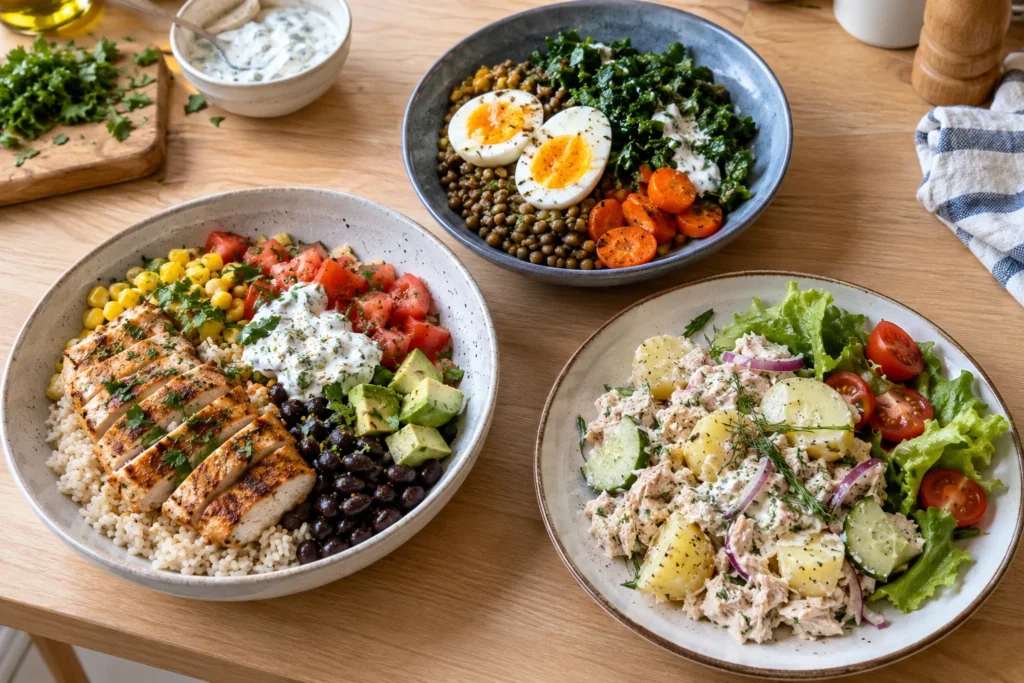
- Fastest lunch: turkey salad or rice bowls.
- Best for a small amount of turkey: white bean soup.
- Best freezer option: soup, stock, or the pot pie filling without biscuits.
- Best use for day-old rice: turkey fried rice.
- Best comfort dinner: the biscuit skillet pot pie.
Store the turkey first
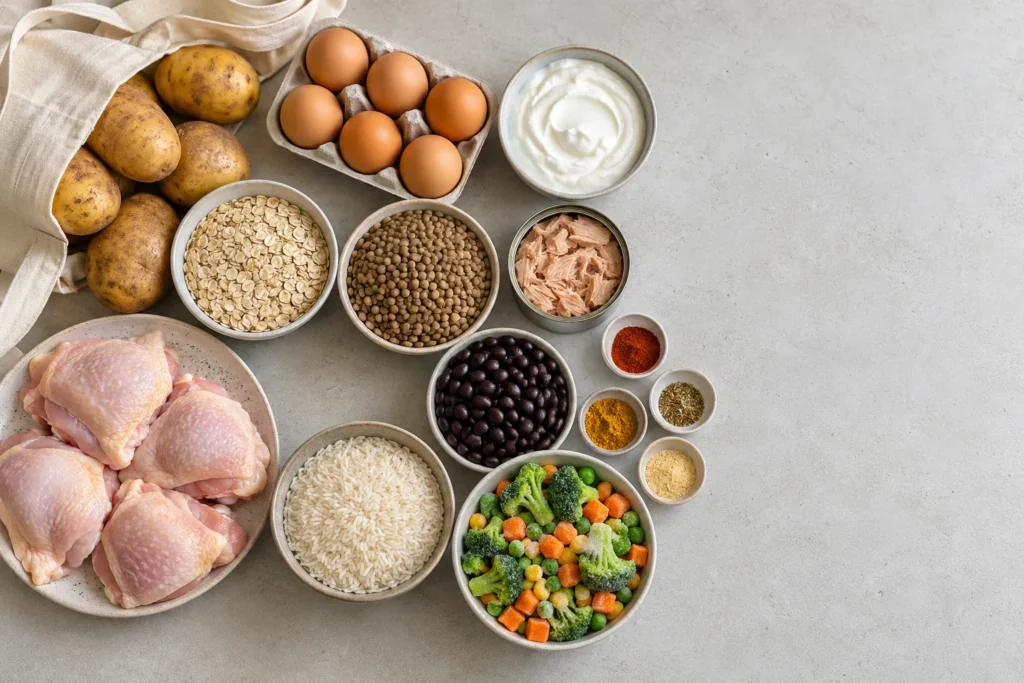
Cooked turkey needs to go into the fridge within 2 hours of coming off the table, sooner if the room was warm. Once refrigerated at 40°F / 4°C or below, it’s good for 3-4 days. If you know you won’t get through it in that window, freeze what you won’t use within the next 2 days rather than letting the fridge clock run out. Frozen cooked turkey holds well for up to 4 months.
Portion the turkey for the meals you plan to make in the next few days. Freeze the rest flat in labelled zip-top bags right away.
Treatment 1: Turkey fried rice
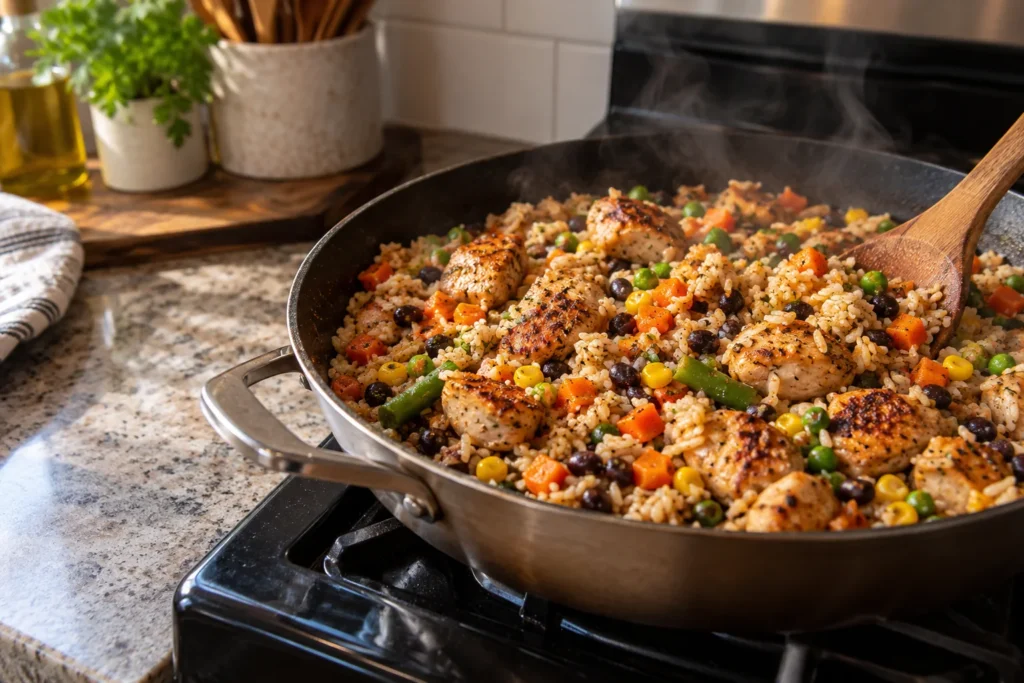
Fried rice changes the flavour quickly and works with white or brown rice. Day-old rice is even better because its drier texture fries instead of steaming.
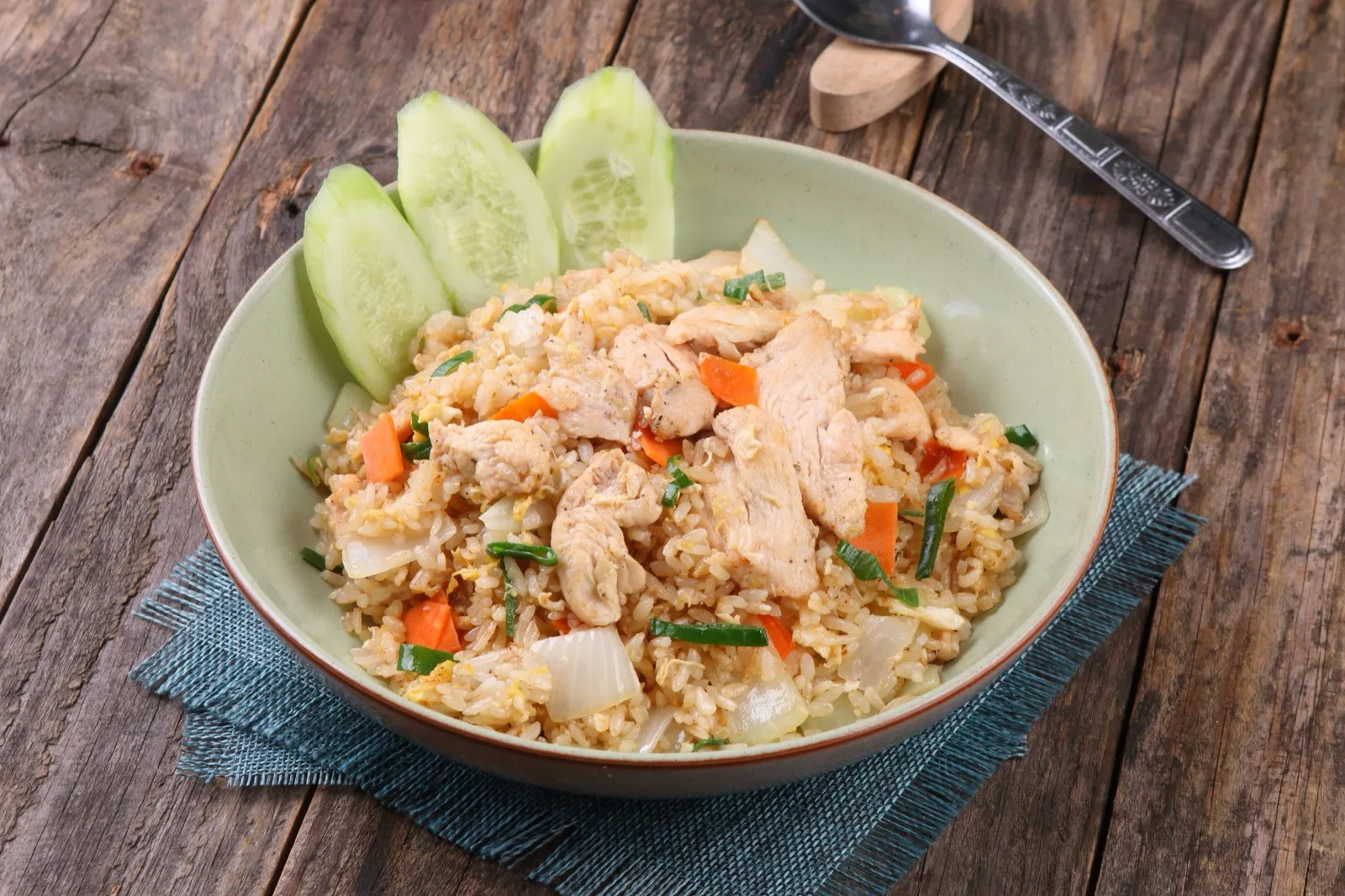
- 2 cups cooked turkey, chopped or shredded
- 3 cups cooked rice, preferably a day old
- 2 eggs
- 1 cup frozen peas and carrots
- 2 tbsp oil
- 3 tbsp soy sauce or tamari
- 2 green onions, sliced
- Heat half the oil in a large skillet or wok over high heat. Scramble the eggs quickly, break into small pieces, and set aside.
- Add the remaining oil, then the frozen peas and carrots. Cook 2-3 minutes until thawed and starting to colour.
- Add the rice, breaking up any clumps. Let it sit undisturbed for a minute to pick up some colour before stirring.
- Add the turkey and soy sauce. Toss everything together for 2-3 minutes until heated through.
- Fold the eggs back in, top with green onions, and serve.
Serves 4. Since the turkey, and likely the rice, are already-cooked leftovers, the only real added cost is the eggs, peas and carrots, and soy sauce, typically very cheap for the whole batch.
Treatment 2: Turkey and white bean soup
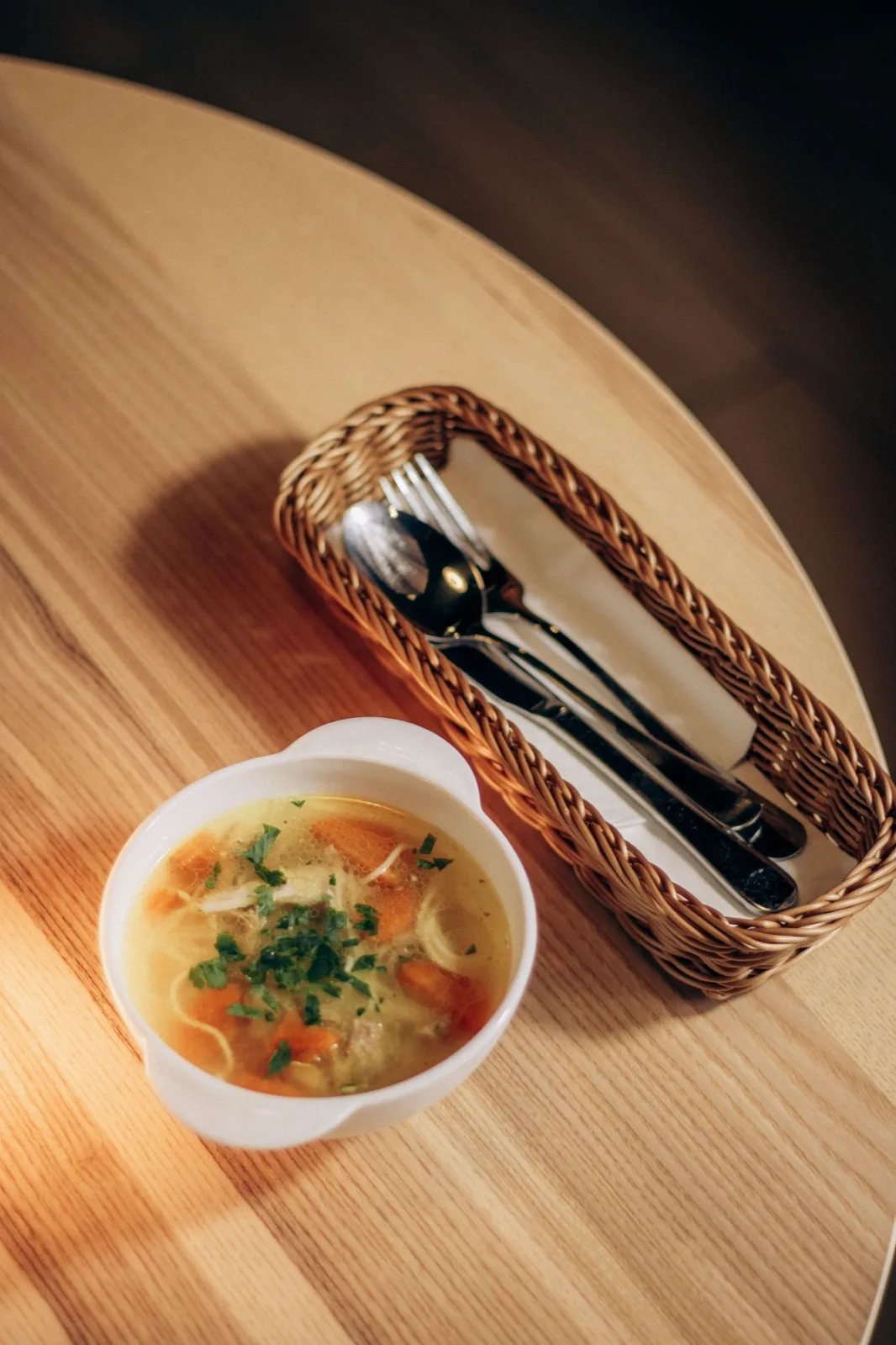
If you have turkey carcass bones left, don’t throw them out, see the stock method below first, then come back here. If you’re working with just meat and no bones, store-bought broth works fine too.
- 2 cups shredded leftover turkey
- 6 cups turkey stock (homemade, see below) or store-bought broth
- 1 can white beans, drained and rinsed
- 2 carrots, diced
- 2 celery stalks, diced
- 1 onion, diced
- 1 tsp dried thyme
- Salt and pepper to taste
- Sauté the onion, carrot, and celery in a splash of oil over medium heat for 5-6 minutes until softened.
- Add the stock, thyme, and white beans. Bring to a simmer and cook 15 minutes until the vegetables are tender.
- Add the shredded turkey and simmer 5 more minutes, just to heat through.
- Season with salt and pepper to taste.
Serves 5-6. The white beans add plant protein and fibre on top of the turkey, and this freezes well for months, it’s one of the better ways to stretch a small amount of leftover turkey across a lot of servings.
Making stock from the carcass
Put the turkey bones and any skin scraps in a large pot, cover with water by about 2 inches, and add a halved onion, a couple of carrots, and a celery stalk if you have them. Simmer, uncovered, for 3-4 hours, topping up water if it drops too low. Strain, cool, and refrigerate or freeze. This turns bones that were headed for the trash into the base for the soup above at essentially zero added cost.
Treatment 3: Turkey salad for sandwiches or wraps
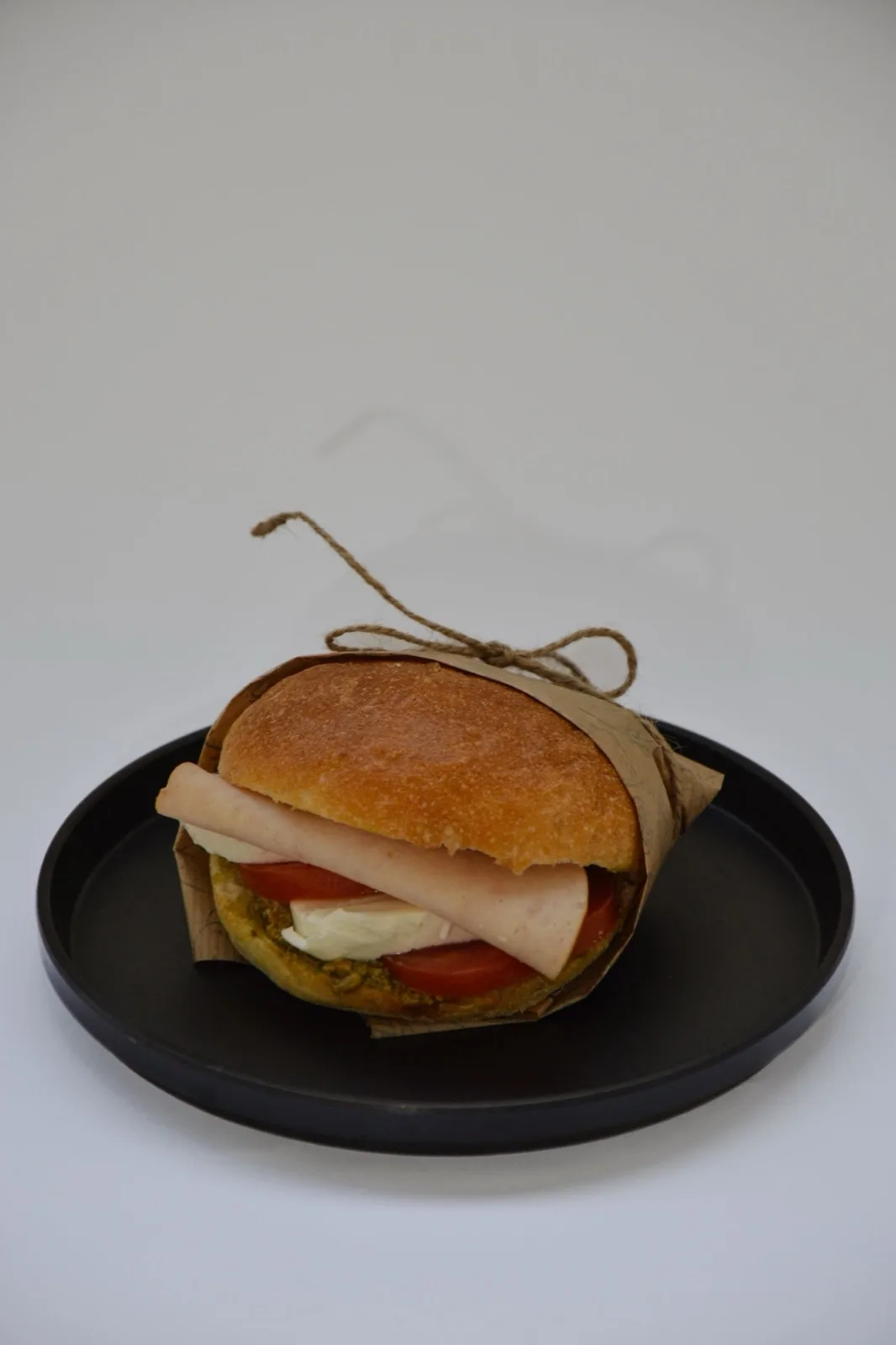
A cold, no-reheat option, good for lunches if you’re tired of the oven and stovetop after Thanksgiving cooking.
- 2 cups diced leftover turkey
- 1/3 cup plain Greek yogurt (or mayo, or a mix of both)
- 1 celery stalk, diced
- 1/4 small red onion, diced
- 1 tbsp Dijon mustard
- Salt and pepper to taste
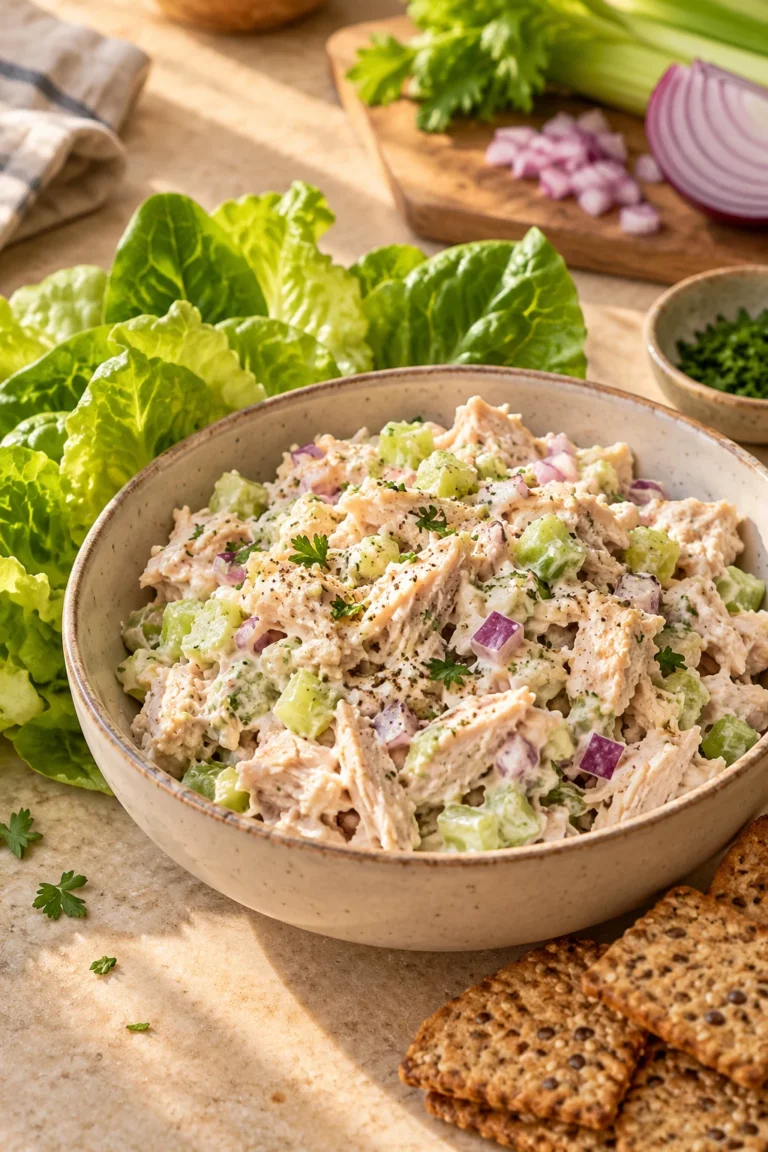
Mix everything together and chill for at least 20 minutes before serving, it tastes noticeably better once the flavours sit. Using Greek yogurt instead of straight mayo keeps the protein count up and the cost down. Good on bread, in a wrap, or scooped straight with crackers. Fridge life is 3-4 days.
Treatment 4: Turkey and rice meal prep bowls
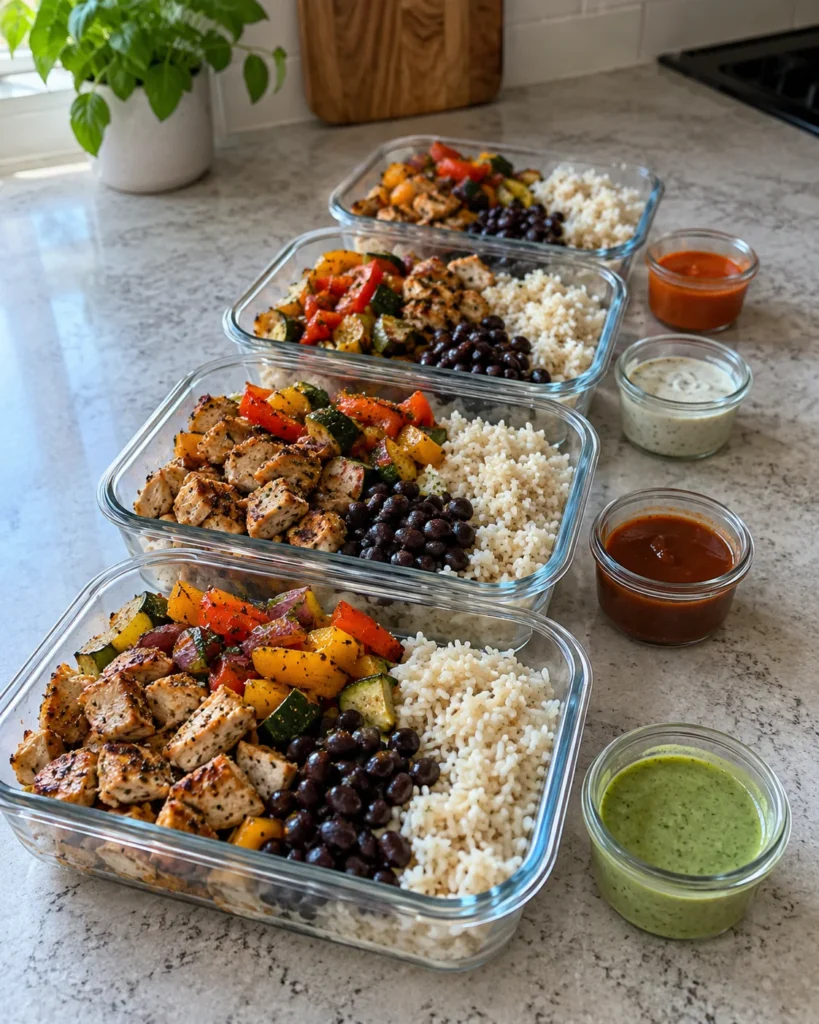
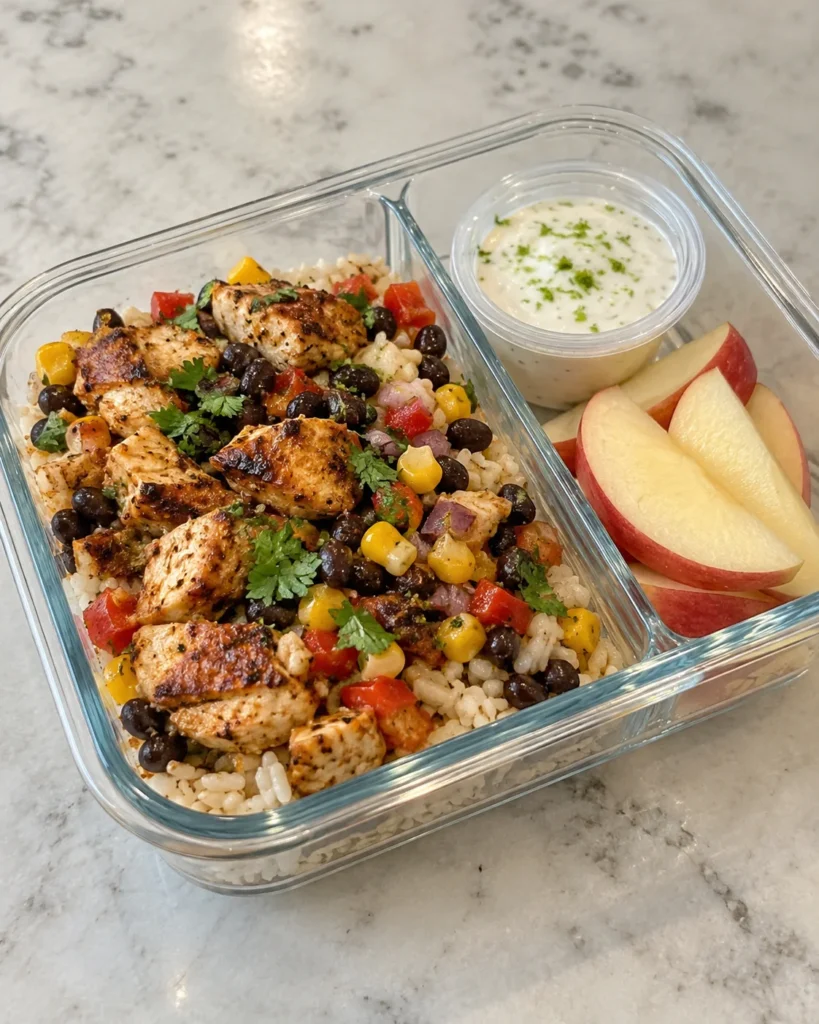
For the simplest option, treat the leftover turkey exactly like the protein in the chicken rice meal prep bowls recipe. Shred or chop the turkey, pair with rice and a frozen vegetable, portion into containers, and you’ve got 4-5 ready-made meals using turkey that’s already cooked, no additional cooking required beyond warming the rice and vegetables.
Treatment 5: Turkey and biscuit skillet pot pie
Choose this when you want a warm, hearty dinner. This version skips rolling out pastry by topping a skillet filling with store-bought or homemade biscuits instead.
- 2 cups shredded leftover turkey
- 3 tbsp butter
- 3 tbsp flour
- 2 cups turkey stock or broth
- 1/2 cup milk
- 2 cups frozen mixed vegetables (peas, carrots, corn)
- 1 tsp dried thyme or poultry seasoning
- 1 tube refrigerated biscuits, or 6-8 homemade biscuits
- Melt the butter in a large oven-safe skillet over medium heat. Whisk in the flour and cook 1 minute, stirring constantly.
- Slowly whisk in the stock and milk, a little at a time, until smooth. Simmer 5 minutes until it thickens into a gravy-like consistency.
- Stir in the frozen vegetables, thyme, and shredded turkey. Season with salt and pepper and simmer 3-4 minutes.
- Arrange the biscuits over the top of the filling. Transfer the skillet to a 375°F / 190°C oven and bake 18-20 minutes, until the biscuits are golden and cooked through.
Serves 5-6. This is the heartiest of the five treatments and the one that feels most like a complete, separate dinner rather than “leftovers”, useful on the night you want comfort food but not another plate that looks like Thanksgiving dinner again.
What to do with leftover gravy and vegetables too
Turkey rarely comes home alone. A few quick uses for the rest of the plate:
- Leftover gravy: use it in place of the broth-and-flour step in the pot pie skillet below, it’s already thickened and seasoned, so just whisk in a splash of milk to loosen it before adding the vegetables and turkey.
- Leftover mashed potatoes: form into patties, chill 20 minutes so they hold together, then pan-fry in a little oil for crispy potato cakes, a good side for the turkey fried rice if you want something other than rice twice.
- Leftover roasted vegetables: chop and fold into the turkey and rice bowls or the fried rice in place of the frozen peas and carrots.
Storage habits that make turkey harder to use
- Leaving the carved turkey out “to cool” for too long. An hour sitting on the counter while dishes get done is normal. Two-plus hours, especially in a warm kitchen, is the point where it needs to go in the fridge regardless of temperature.
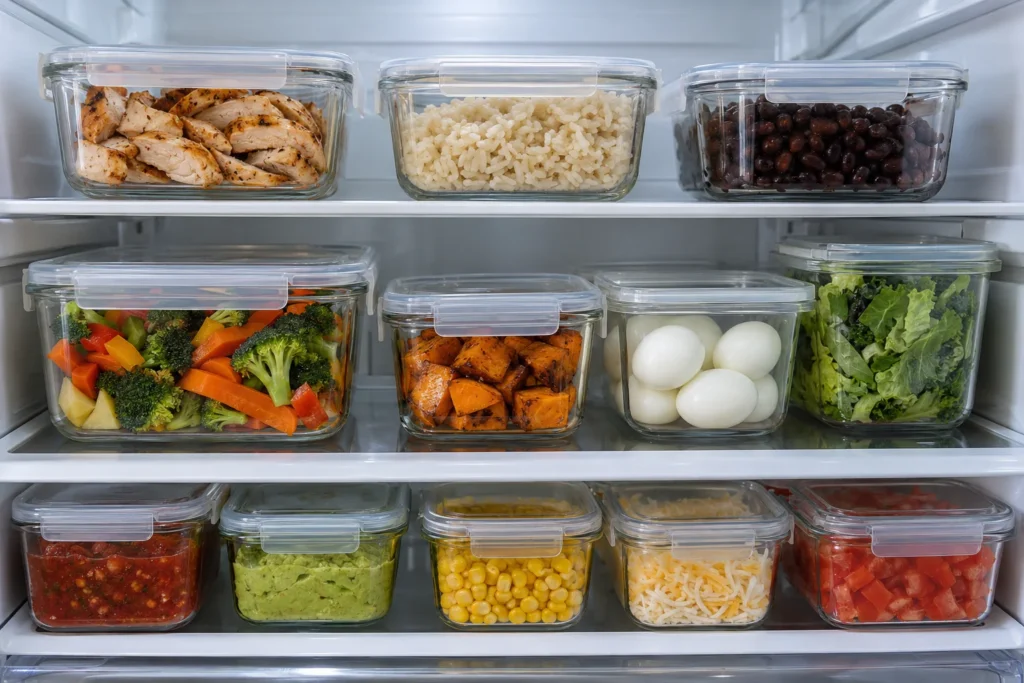
- Storing it as one big block. A large solid mass of turkey cools slowly in the fridge, so the centre cools more slowly. Shred or chop it into smaller pieces before storing so it cools faster and is ready to use without extra prep later.
- Throwing out the bones. Even a few bones with some meat and skin still attached make a reasonable stock. It costs nothing but time.
- Deciding “I’ll figure it out later” on day 3. By day 4, the remaining turkey needs a clear plan. Pick a treatment or freeze it on day 2 or 3, not after.
How to store and freeze each version
- Turkey fried rice: fridge 3-4 days. Freezes acceptably, though rice texture softens slightly on reheating.
- Turkey and white bean soup: fridge 4 days, freezer up to 4 months, one of the best freezer candidates here.
- Turkey salad: fridge only, 3-4 days. Does not freeze well due to the yogurt or mayo base.
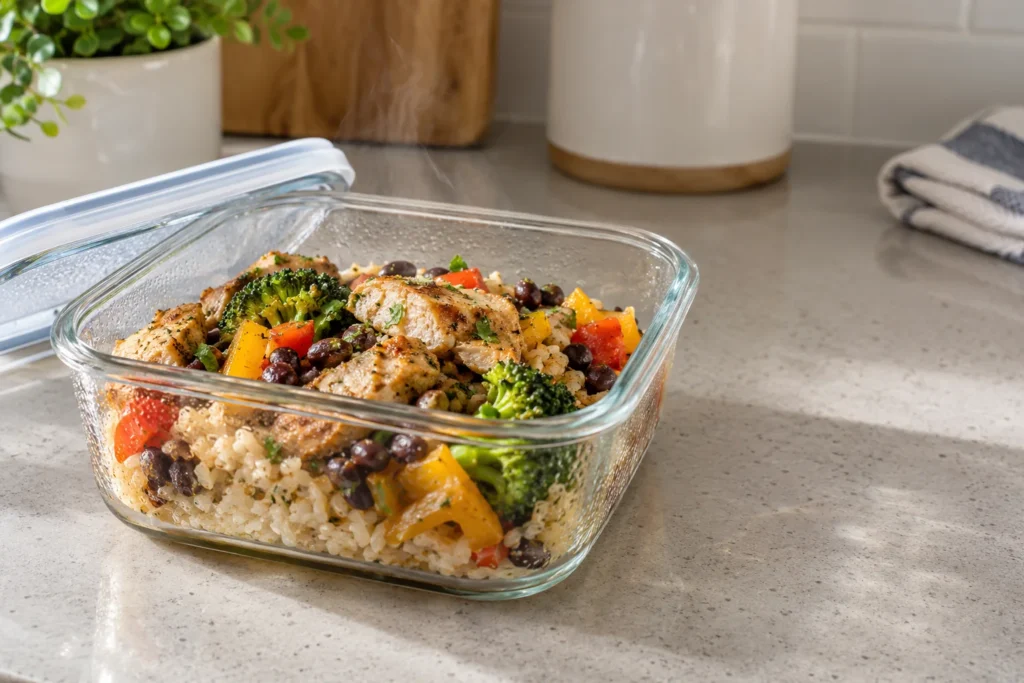
- Turkey rice bowls: fridge 3-4 days, freezer up to 3 months.
- Turkey pot pie skillet: fridge 3-4 days. Best made fresh, though the filling alone (before adding biscuits) freezes well for up to 2 months, thaw and top with fresh biscuits before baking.
- Turkey stock: fridge 4-5 days, freezer up to 6 months. Freeze in smaller portions (ice cube trays or 1-2 cup containers) so you can thaw only what you need.
Frequently asked questions
Can I refreeze turkey that was previously frozen and thawed?
If it was thawed safely in the fridge (not at room temperature) and still within the 3-4 day window, yes, cooking it into one of the dishes above and then refreezing the finished dish is fine. Avoid refreezing raw thawed turkey multiple times without cooking it in between.
How much protein is in a typical serving of leftover turkey?
A roughly 100g (3.5oz) serving of cooked turkey breast provides approximately 25-30g of protein, with dark meat landing a little lower per gram but still substantial. Exact values depend on the cut and how it was cooked.
What if I only have a small amount of turkey left?
The soup stretches the smallest amount furthest, since the white beans and vegetables carry most of the volume. The salad and fried rice both work fine scaled down, just reduce the other ingredients proportionally.
Can I use this guide for a leftover rotisserie chicken instead of turkey?
Yes, with almost no changes. Chicken and turkey behave nearly identically in all five treatments here, and chicken bones make stock the same way turkey bones do.
Is dark meat or white meat better for these recipes?
Either works in all five treatments. Dark meat (thigh and leg) tends to stay moister through reheating, which makes it slightly better suited to the fried rice and pot pie, where texture after reheating matters more. White meat works fine everywhere, especially in the soup and salad, where it’s mixed with other ingredients anyway.
Related reading: High-Protein Chicken Rice Meal Prep Bowls, Budget Ground Turkey Meatballs, and the Simple Sunday Meal Prep System for turning any leftover protein into a repeatable routine.