Canned Salmon Patties (Budget Protein)
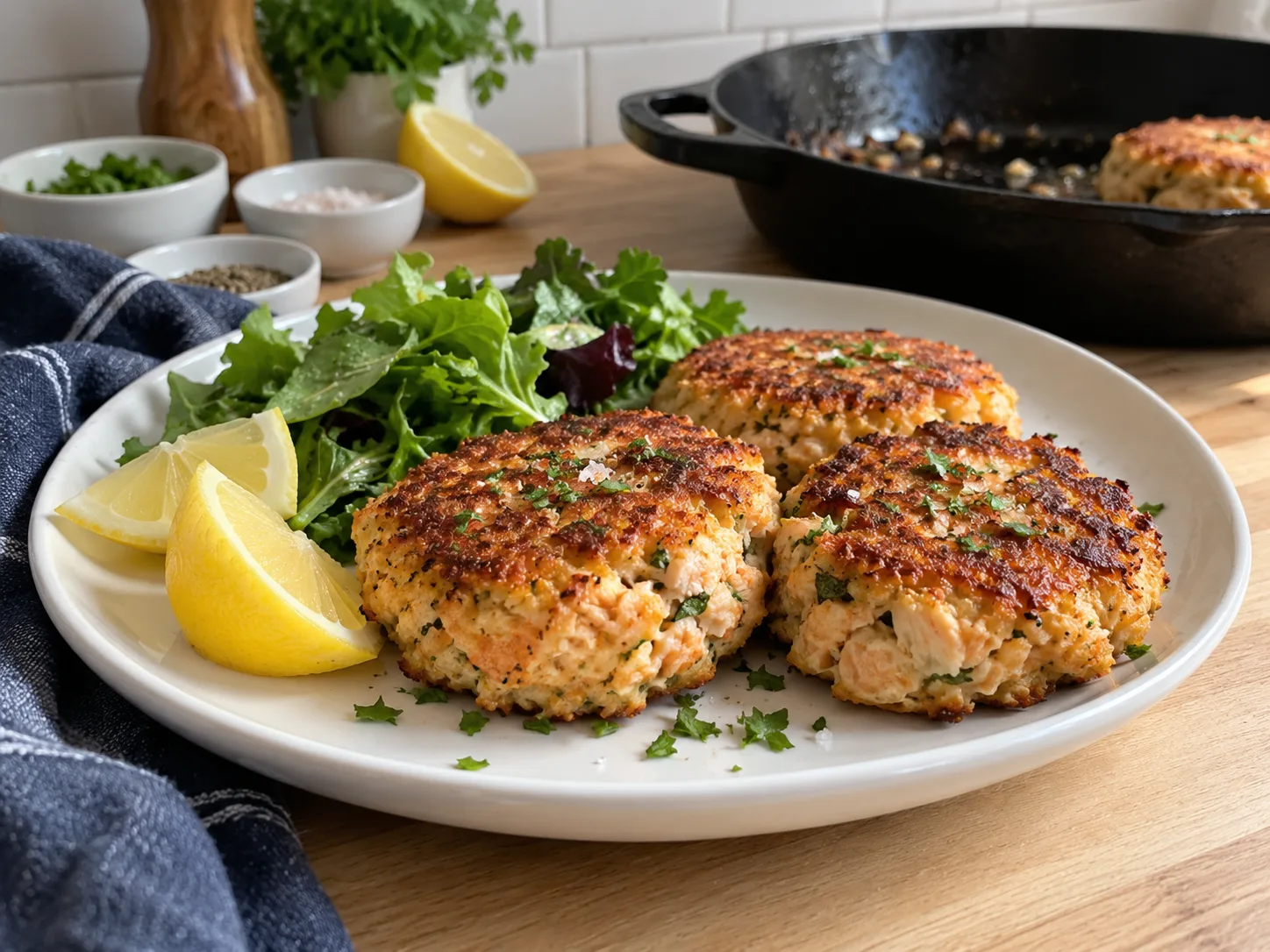
Canned salmon costs more than canned tuna but still makes an affordable protein base. An egg and breadcrumbs bind it into patties with crisp edges and a tender centre, ready in under 10 minutes.
| Estimated cost per serving | Cheap |
| Protein per serving | ~22-26g* |
| Prep time | 10 minutes |
| Cook time | 10 minutes |
| Servings | 4 patties |
| Freezer-friendly | Yes, uncooked |
*Protein is an estimate. Actual values depend on your exact ingredients and portions.
Ingredients
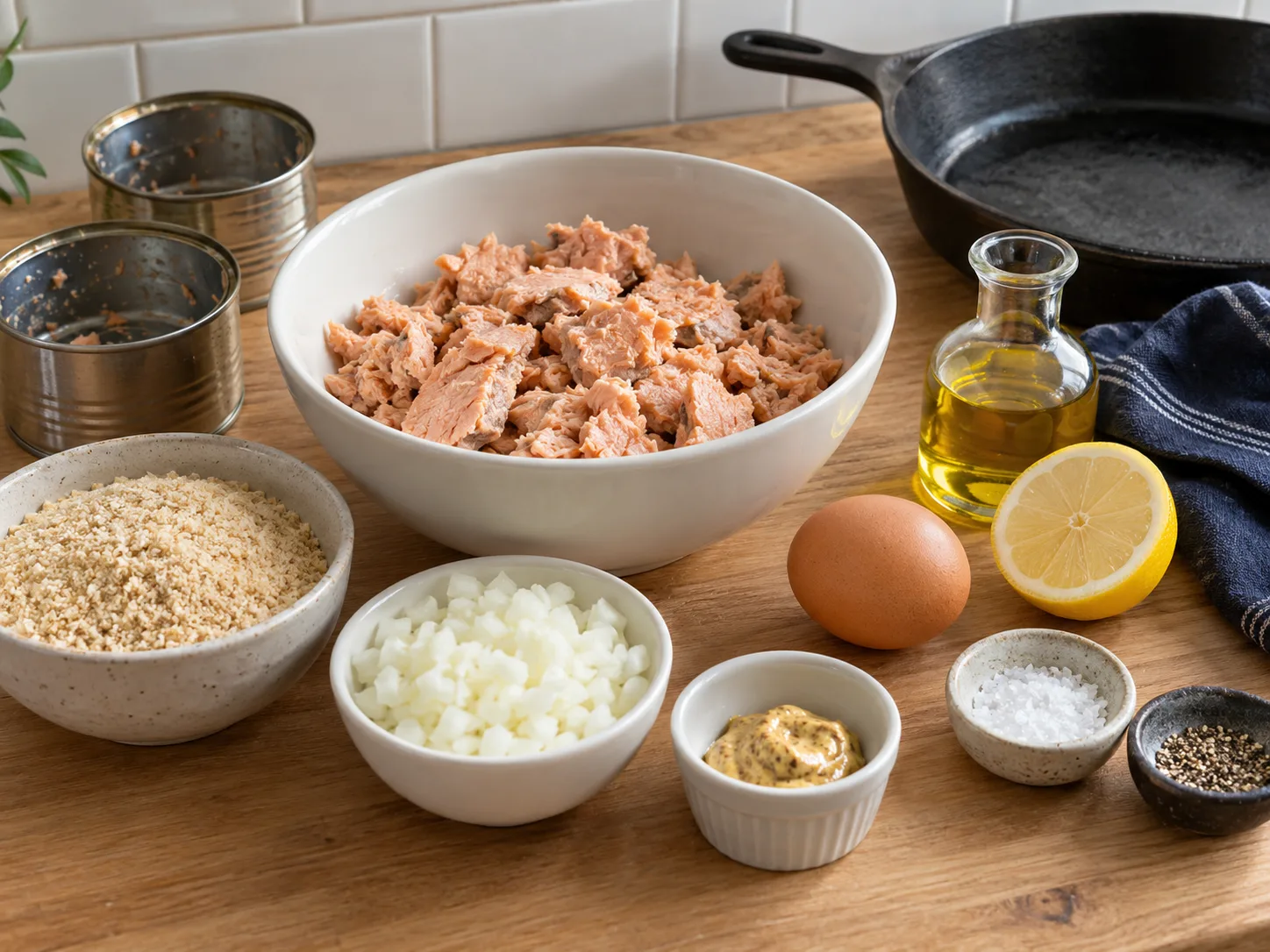
- 2 cans (213g each) canned salmon, drained
- 1 egg
- 1/2 cup breadcrumbs
- 1/4 cup finely diced onion
- 1 tbsp Dijon mustard
- 1 tbsp lemon juice
- 2 tbsp oil, for frying
- Salt and pepper to taste
How to make them
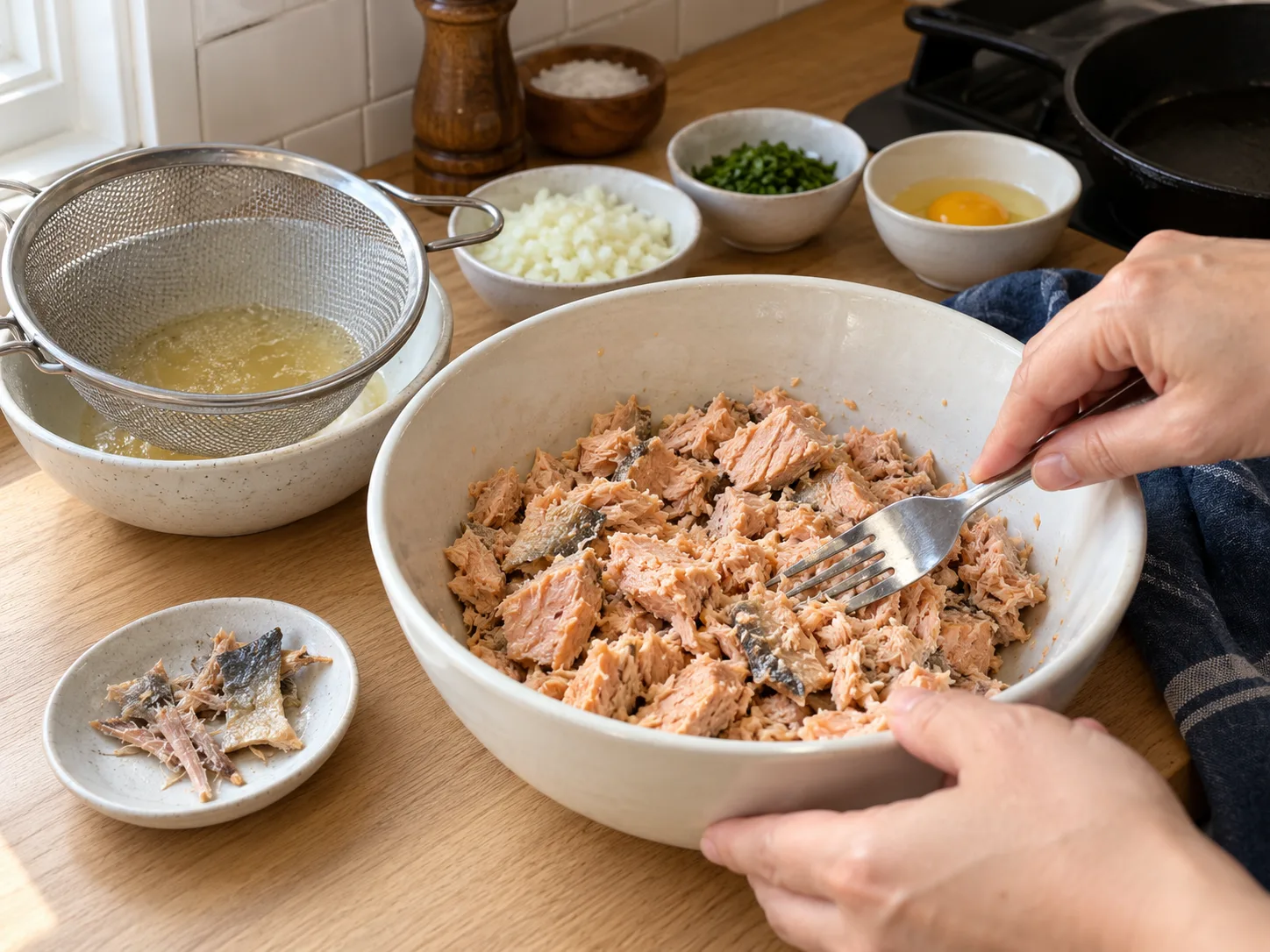
- Drain the salmon well, pressing out excess liquid. Flake it into a mixing bowl, checking for and removing any larger bones or skin pieces if you prefer them out (both are edible and soft, but some people prefer to pick them out).
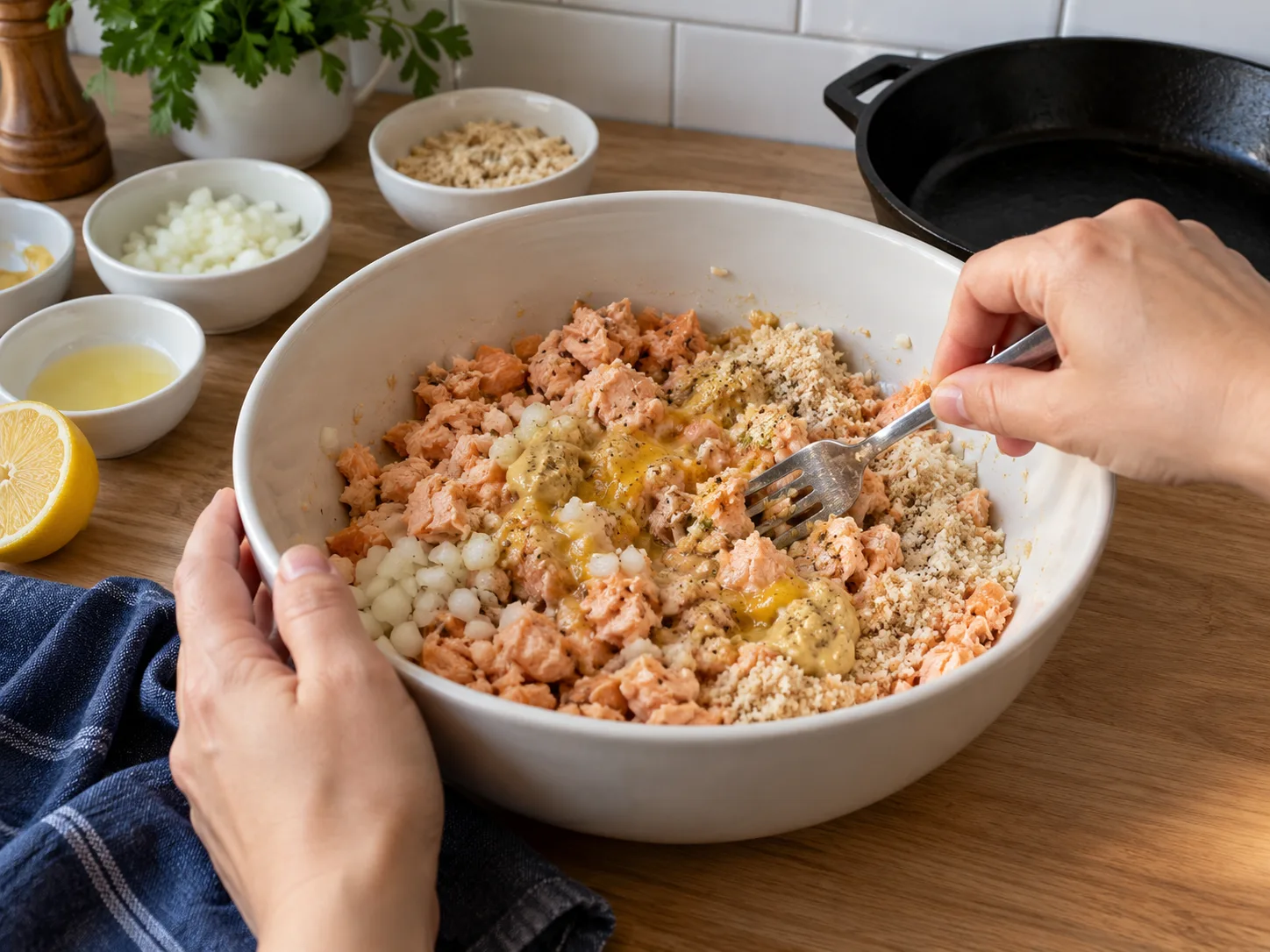
- Add the egg, breadcrumbs, onion, mustard, lemon juice, salt, and pepper. Mix just until combined. Overmixing makes the patties dense.
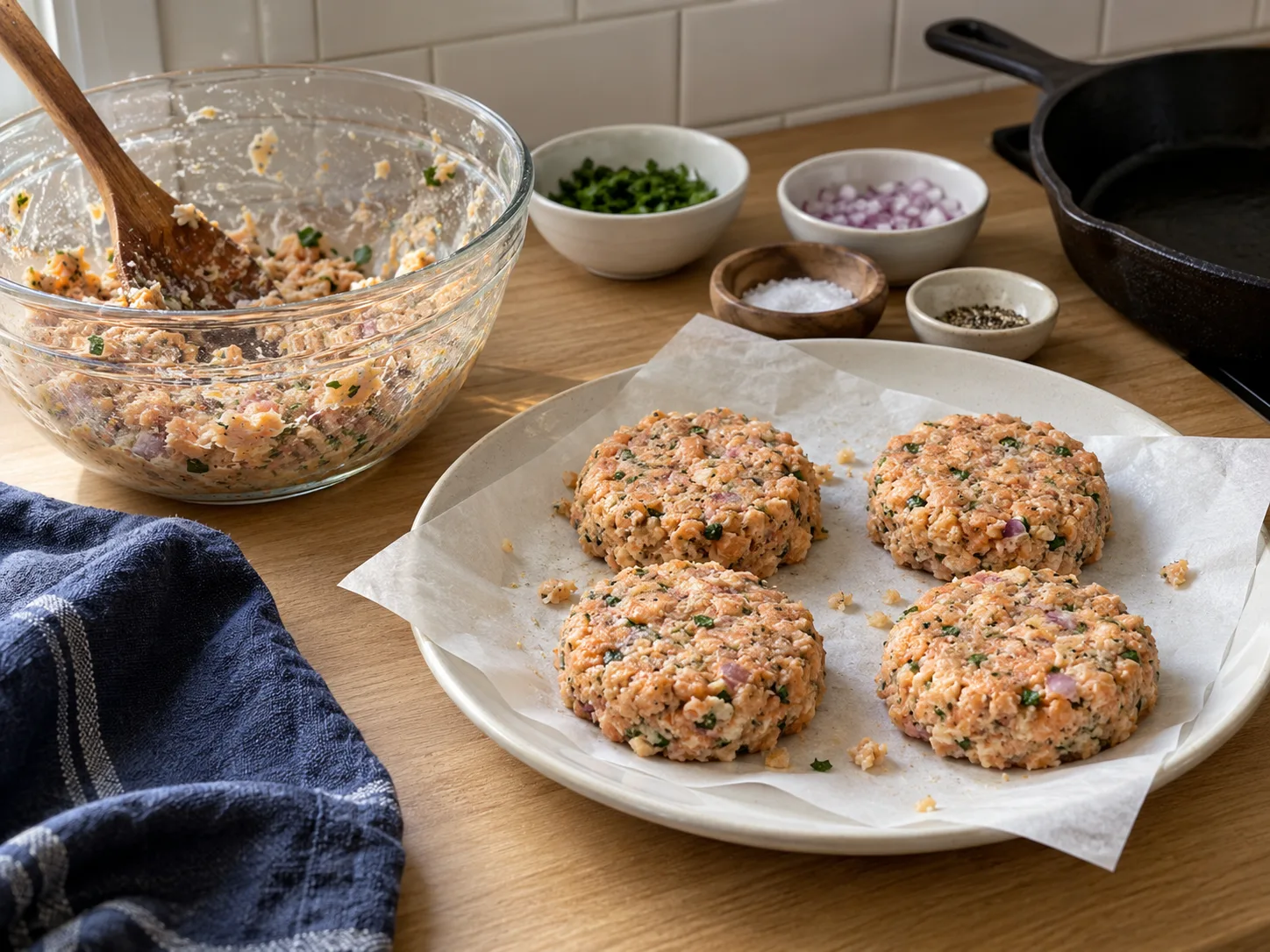
- Shape into 4 patties, about 3/4 inch thick. If the mixture feels too wet to hold together, add a tablespoon more breadcrumbs.
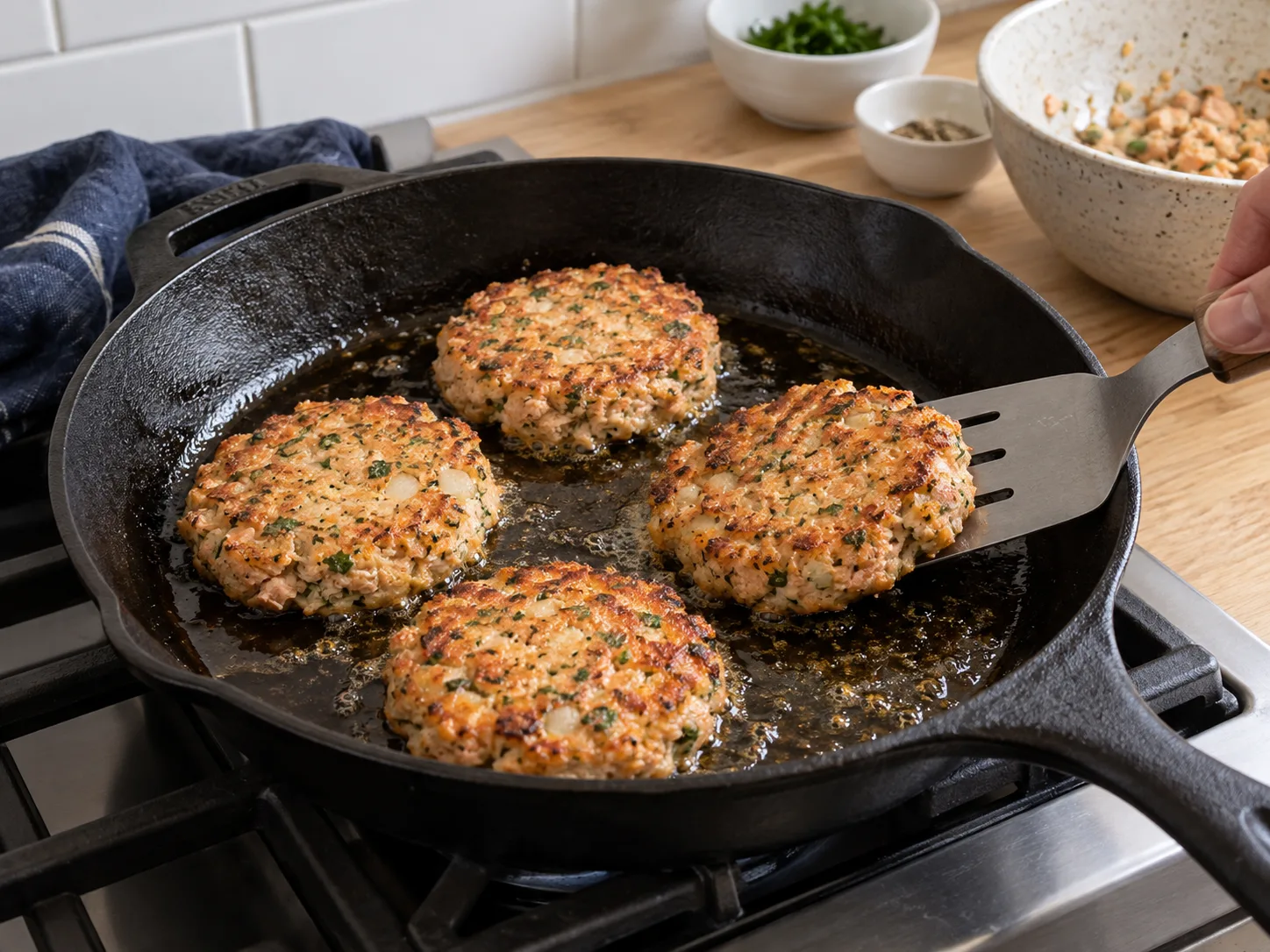
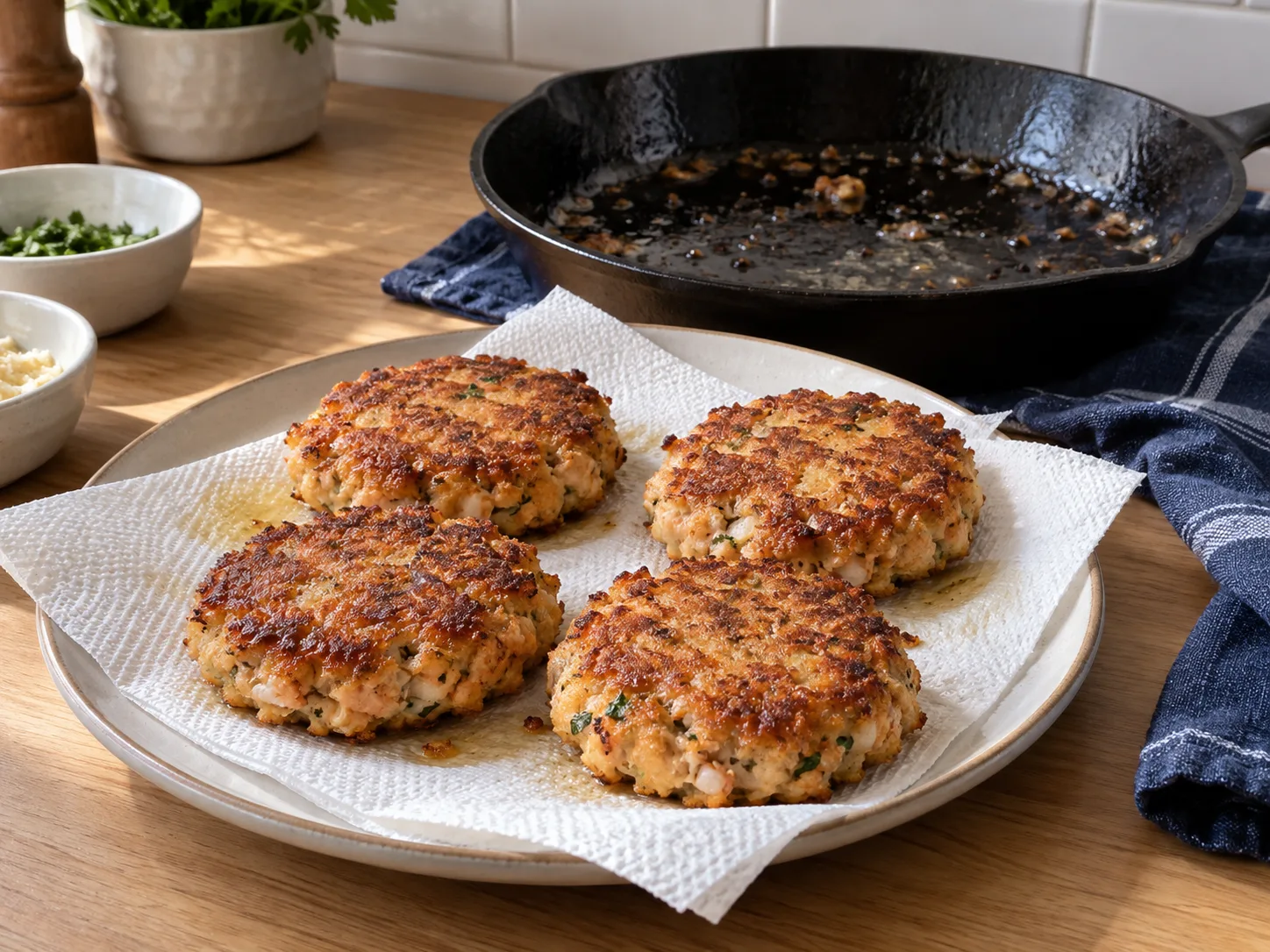
- Heat the oil in a skillet over medium heat. Cook the patties 3-4 minutes per side, until golden brown and heated through.
- Drain briefly on a paper towel before serving.
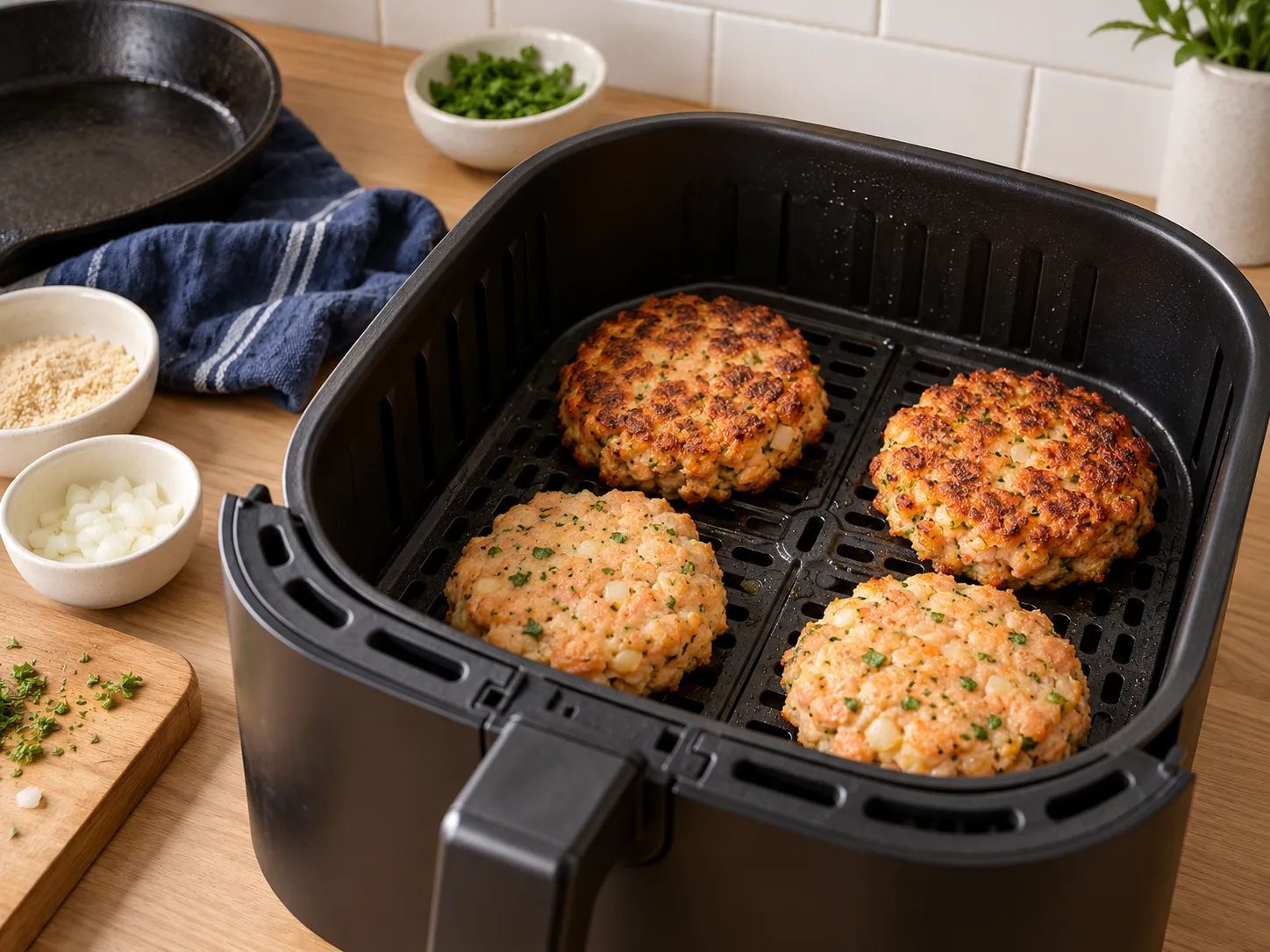
Air fryer method
Brush or spray both sides lightly with oil. Air-fry at 390°F / 200°C for 8-10 minutes, flipping halfway, until the outside is crisp and the centre is hot. Leave space between the patties so air can reach the edges.
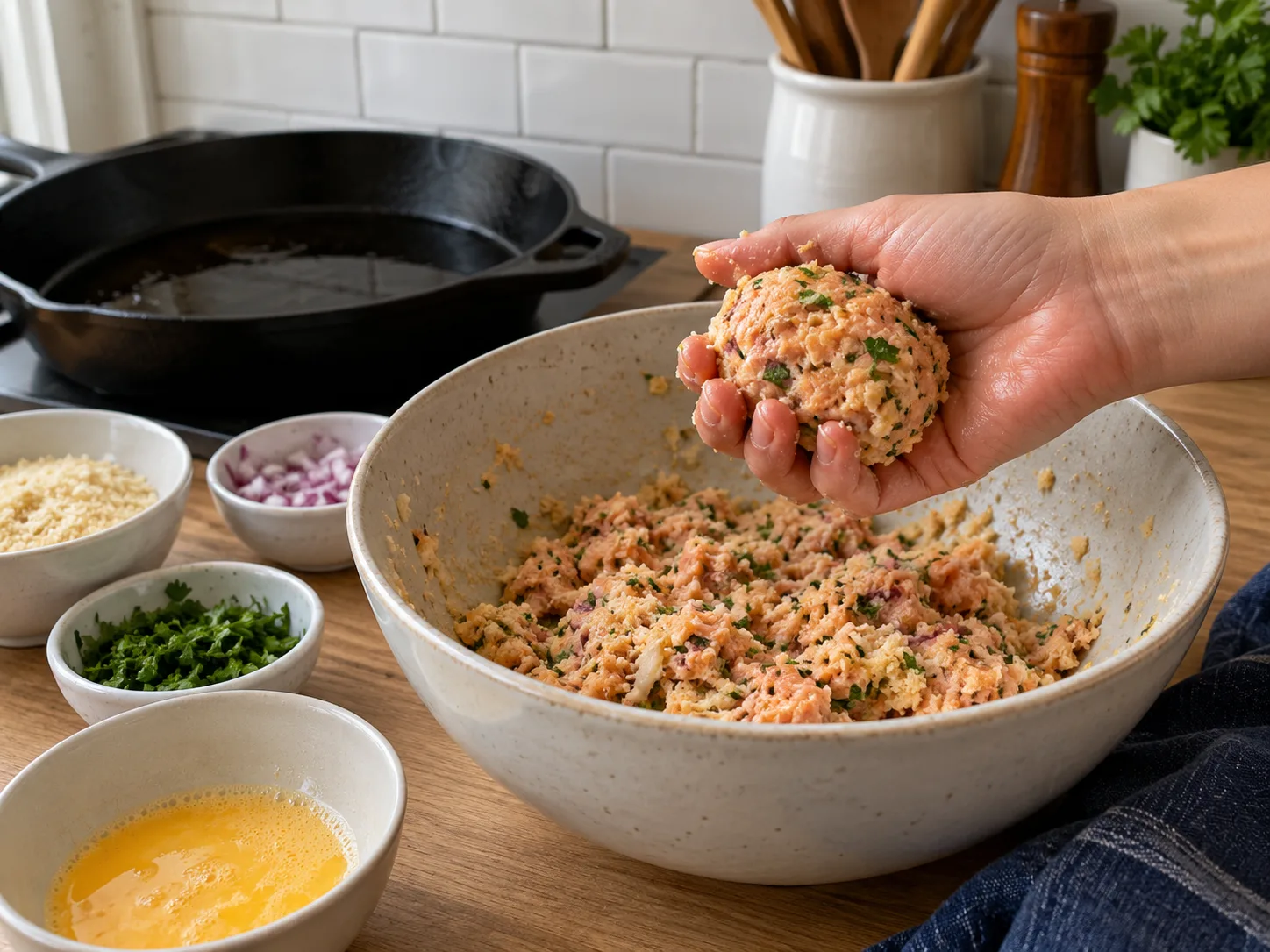
Test the mixture before shaping
Squeeze a spoonful of the mixture in your hand. It should hold together without feeling wet. If it crumbles, mix in a teaspoon of yogurt or beaten egg. If it feels sticky and loose, add breadcrumbs one tablespoon at a time. Chill the shaped patties for 15 minutes if they still feel delicate.
Best method for a double batch
Baking is the easiest option for eight patties because they cook together on one pan. Pan-frying gives the crispest crust but needs batches. The air fryer is a good middle ground for four patties, though a full double batch may need two rounds.
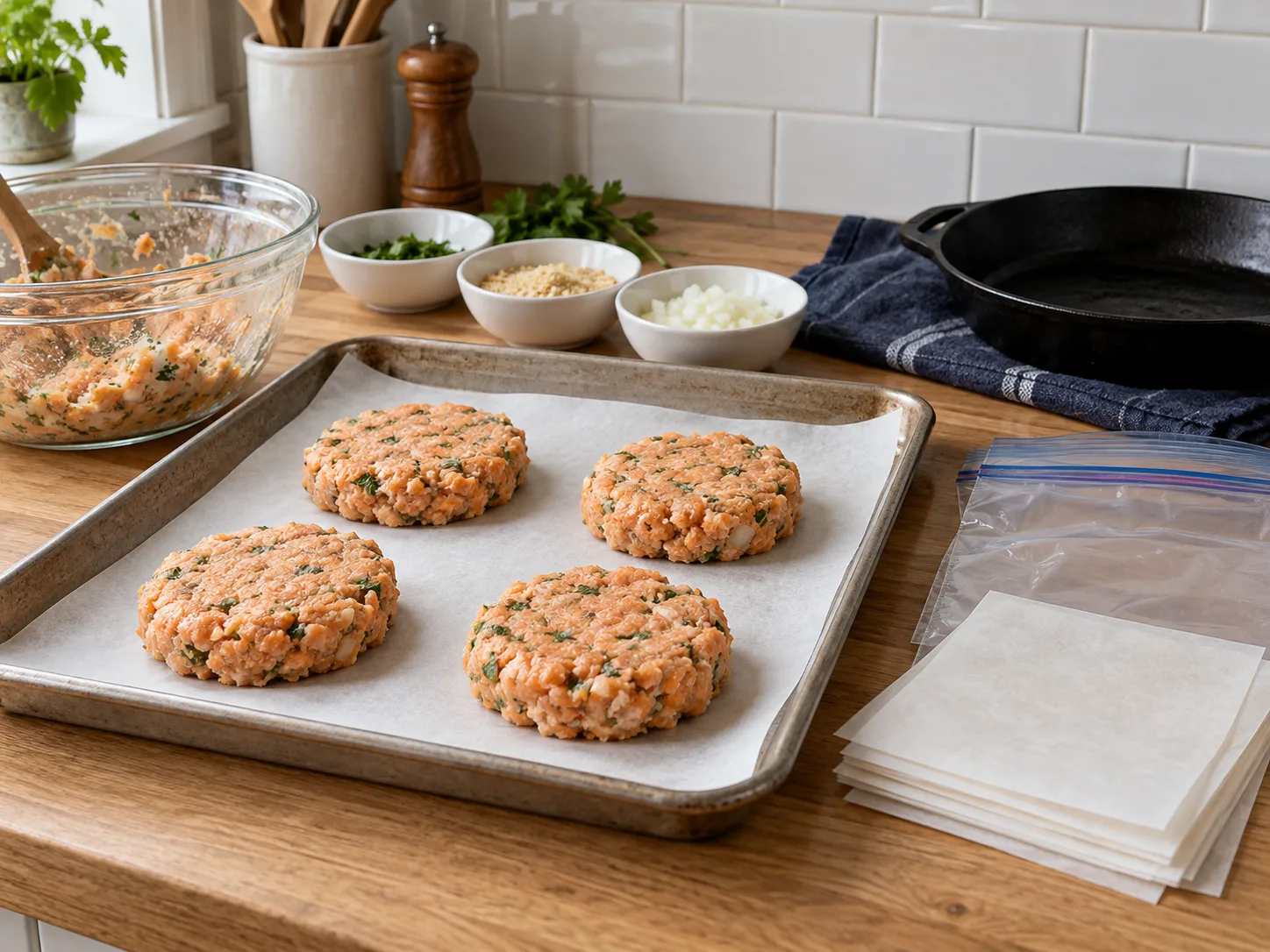
Freeze them without sticking
Freeze the shaped patties in a single layer on a lined tray. Once firm, stack them in a bag with a small square of parchment between patties. Label the bag with the cooking method and date so you do not have to look up the recipe when reheating.
Cost and protein breakdown
- 2 cans canned salmon: the main cost, typically more than canned tuna but still well below fresh salmon fillets
- Egg, breadcrumbs, onion: inexpensive binders and filler, a small fraction of total cost
- Total estimate — cheap per serving based on typical prices
Protein lands around 22-26g per serving, almost entirely from the salmon. Canned salmon also brings calcium along with it if the soft bones are left in and mixed through, The soft bones blend into the mixture and can be left in.
How to make them cheaper
- Buy canned salmon when it’s on sale and stock up. It’s shelf-stable, so several discounted cans can be stored for later batches.
- Use canned pink salmon instead of sockeye. Pink salmon is typically less expensive and works identically in this recipe, the flavour and colour difference is minor once mixed with the other ingredients.
- Make your own breadcrumbs from stale bread instead of buying a box, pulse in a food processor or crush by hand.
Storage and freezing
- Fridge (cooked): 3-4 days at 40°F / 4°C or below.
- Freezer (uncooked): shape the patties, freeze on a tray until solid, then transfer to a freezer bag for up to 3 months. Cook from frozen, adding a couple of extra minutes per side, or thaw in the fridge overnight first.
- Reheating cooked patties: a few minutes in a dry skillet over medium heat brings back more crispness than a microwave does, though the microwave works fine if that’s what’s convenient.
What to serve them with
On a bun with lettuce and tartar sauce for a salmon burger, over a simple green salad, or alongside rice and a vegetable for a more complete plate. A squeeze of extra lemon and a dollop of plain Greek yogurt mixed with dill makes a quick sauce if you don’t have tartar sauce on hand.
Frequently asked questions
Should I remove the skin and bones from canned salmon?
Both are soft enough to eat and blend into the mixture once mashed, and the bones are a genuine source of calcium. Remove them if you dislike the texture.
My patties fell apart in the pan, what went wrong?
The usual causes are extra moisture, too little binder, or flipping too early. Make sure the salmon is well drained before mixing (excess liquid makes the mixture too loose), and let the first side develop a proper golden crust, about 3 full minutes, before flipping. A patty that’s released cleanly from the pan is usually ready; one that’s still sticking needs another minute.
Can I bake these instead of pan-frying?
Yes. Bake at 400°F / 200°C for 15-18 minutes, flipping halfway through. They won’t develop quite as much crust as the pan-fried version, but it’s a reasonable hands-off alternative if you’re making a bigger batch.
Related reading: Best Cheap Protein Sources by Cost Per Gram, Budget High-Protein Tuna Pasta, and the budget protein grocery list.