
Cheap High-Protein Meal Prep in Canada: Budget Grocery Guide
High-protein meal prep sounds expensive until you stop building every container around chicken breast.
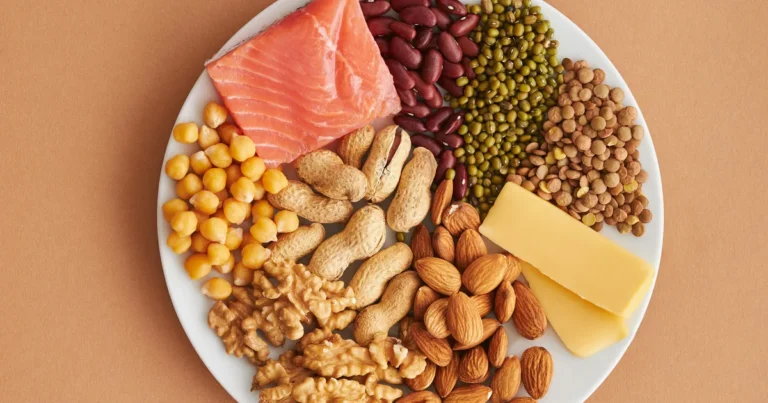
Chicken breast has become the default protein for meal prep content, but it’s not always the cheapest option in a Canadian grocery store, and it’s certainly not the only one. Dry lentils, canned tuna, eggs, cottage cheese, and chicken thighs can all carry a week of prep without pushing your grocery bill into uncomfortable territory — especially when you stop buying ingredients for five different meals and start building a flexible system instead.
This guide is for Canadian shoppers who want more protein in their weekly meals without overcomplicating the shopping list or the prep process. It covers the most affordable proteins available in Canadian stores, a simple formula for building meals around them, and a practical approach to getting four to six lunches or dinners ready in roughly an hour.
Quick Answer
If you’re short on time, here’s the short version:
Cheapest base proteins for meal prep: Dry lentils and dried beans are consistently the most affordable protein per gram available in Canadian grocery stores. Eggs and canned tuna are close behind and require almost no cooking.
Best no-cook backup proteins: Canned tuna, canned salmon (on sale), cottage cheese, Greek yogurt, and hard-boiled eggs. These require no stove time and are easy to grab when the main prep runs out.
Best freezer proteins: Ground beef, ground turkey, and chicken thighs freeze well raw and cooked. Cooked lentils and beans also freeze reliably in portions.
Best vegetarian options: Dry lentils, dried beans, tofu, eggs, cottage cheese, and Greek yogurt cover a wide range of meals without requiring meat.
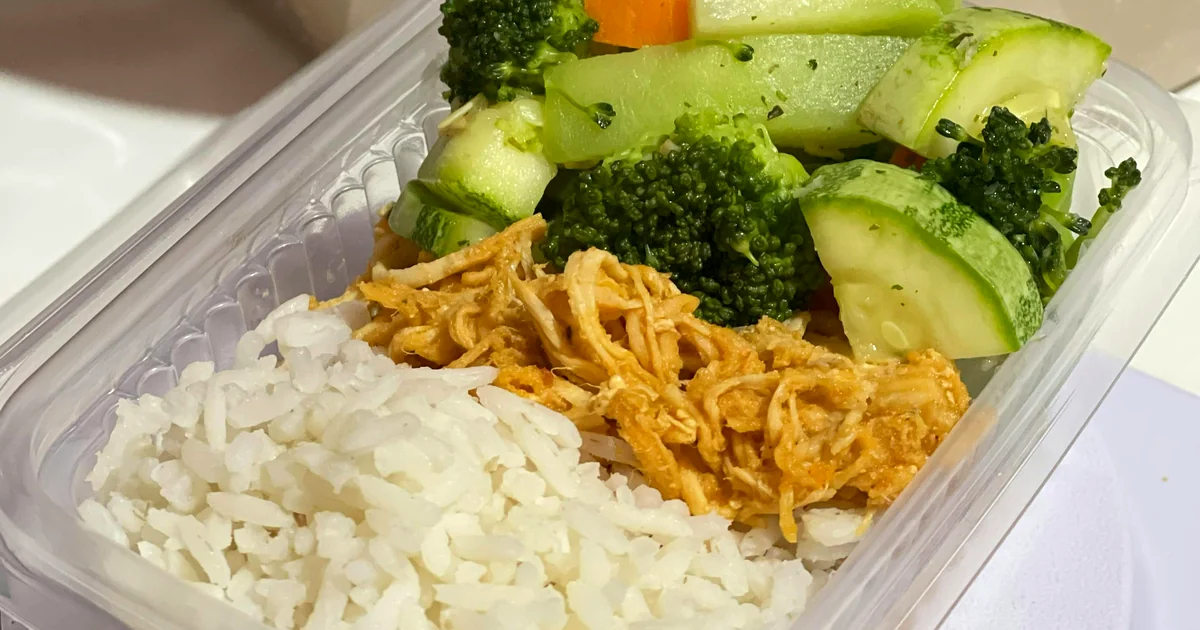
Easiest beginner formula: One pot of rice or potatoes + one roasted or cooked protein + one bag of frozen vegetables + one sauce. Portion into containers. Done.
The Budget Protein Meal Prep Formula
Most meal prep advice skips the structure and goes straight to recipes. The problem is that recipes lock you into specific ingredients, and when one thing is out of stock or over budget, the whole plan falls apart.
A more flexible approach is to work with a formula and swap within it based on what’s on sale.
Protein + Base + Vegetable + Sauce + Backup
Here’s how each layer works:
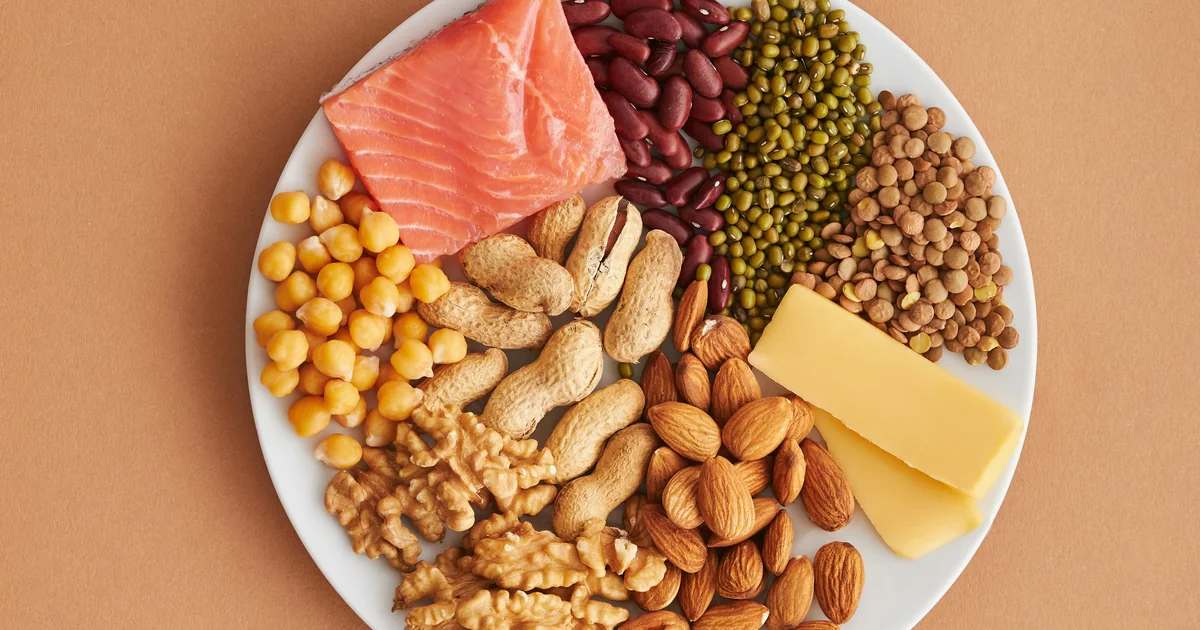
Protein (pick one or two): Lentils, chicken thighs, tofu, eggs, canned tuna, ground turkey, ground beef, canned salmon, black beans, chickpeas
Base (pick one): Rice, potatoes, pasta, oats (for breakfast prep), wraps
Vegetables (pick one or two): Frozen mixed vegetables, frozen broccoli, frozen corn, cabbage, carrots, spinach, canned diced tomatoes
Sauce or flavour (pick one): Salsa, soy sauce with garlic, curry paste, hot sauce, plain yogurt sauce, tahini with lemon, canned tomatoes as a base
Backup protein (keep on hand, no cooking required): Canned tuna, hard-boiled eggs, cottage cheese, Greek yogurt, canned salmon
The formula works because it’s modular. Swap lentils for chicken thighs. Use potatoes instead of rice. Add frozen broccoli instead of spinach. The containers still work. The macros stay roughly in range. And you’re not locked into buying something that’s full price this week.
Best Cheap Proteins for Meal Prep in Canada
Prices at Canadian grocery stores vary significantly by province, by store, and by sale cycle. The options below are consistently among the most affordable protein sources available — but always check your local flyer or store app before building a shopping list around specific prices.
Dry Lentils
Dry lentils are often one of the most affordable protein sources per gram in a Canadian grocery store. Red or green lentils are widely stocked at most major chains and many independent stores. They cook in 20 to 30 minutes without soaking, hold well in the fridge for several days, and work in soups, rice bowls, curries, and cold salads. Buying a larger bag rather than a small one tends to improve the cost per serving noticeably.
Dried and Canned Beans
Dried black beans, chickpeas, and kidney beans are similarly affordable, though they require soaking and a longer cook time. Canned beans cost more per gram of protein but require no cooking at all — open the can, drain, rinse, and they’re ready. Both are reliable sources of protein and fibre, and they work in a wide range of meal prep builds.
Tofu
Firm or extra-firm tofu is available at most major Canadian grocery chains and is usually reasonably priced per block. It absorbs flavour well when marinated and holds up to pan-frying, baking, and stir-frying without falling apart. It stores well in the fridge for a few days once cooked, making it one of the better vegetarian meal prep proteins.
Eggs
Eggs remain one of the most versatile and cost-effective proteins in Canadian grocery stores, though prices have moved around in recent years and vary by region. They can be hard-boiled in batches for grab-and-go protein, scrambled in bulk for breakfast prep, or incorporated into baked egg dishes portioned for the week. They also serve well as a backup protein — hard-boiled eggs require no reheating and add protein quickly to any meal that comes up short.
Canned Tuna
Canned tuna is a useful no-cook protein for meal prep. It doesn’t need reheating, it’s easy to portion, and it stores safely in the pantry until you need it. The main limitation is smell — if you’re packing lunches for an office or shared space, tuna may not be the most considerate choice. It works well in cold bowls, wraps, and pasta salads, and it’s a reliable backup when fresh protein runs out mid-week.
Chicken Thighs
Bone-in chicken thighs are often cheaper than boneless skinless chicken breast, especially on sale, and hold up much better to meal prep. They stay moist after roasting or baking, which means they’re still good on day three or four — something chicken breast often isn’t. Bone-in thighs tend to be cheaper than boneless skinless, and buying family packs or watching for sales and freezing extra is one of the more reliable ways to lower per-meal protein costs. Check your local flyer; chicken thighs go on sale regularly at most major Canadian chains.
Ground Beef and Ground Turkey
Both ground beef and ground turkey are flexible meal prep proteins. They work in rice bowls, pasta, wraps, and stir-fries, and they freeze well both raw and cooked. Ground beef varies in price by fat percentage — higher-fat blends are usually cheaper, and for a cooked meal prep context, the difference in the finished dish is often minor. Ground turkey is sometimes similarly priced or lower, depending on the store and the week.
Greek Yogurt
Plain full-fat Greek yogurt is a useful dual-purpose ingredient: it adds protein to breakfast prep and doubles as a sauce base. Buying a larger tub is almost always better value than individual single-serve cups, which carry a significant markup per gram of protein.
Cottage Cheese
Cottage cheese is among the higher-protein dairy options available and is often reasonably priced per gram of protein when bought in a larger container. It works well in breakfast prep, as a topping for bowls, stirred into scrambled eggs, or blended into smoothies for texture. Like Greek yogurt, the per-serving cost drops substantially when you move away from single-serve packaging.
Canned Salmon
Canned salmon costs more than canned tuna most of the time, but it goes on sale regularly, particularly at larger chains. It carries more omega-3 fats and a slightly different flavour profile, and it works in many of the same applications as canned tuna. Worth keeping an eye on flyers and stocking up when the price is right.
5 Budget Meal Prep Builds
These are practical starting points, not exact recipes. Adjust quantities, flavours, and swap proteins based on what’s available and on sale.
Build 1: Lentil Rice Bowls
Protein: Dry red or green lentils, cooked
Base: White or brown rice
Vegetables: Frozen spinach stirred into lentils while hot, or frozen mixed vegetables cooked separately
Flavour direction: Cumin, garlic, and a squeeze of lemon — or curry paste thinned with a little water
Storage: Holds well in the fridge for three to four days; portions also freeze well
Why it works on a budget: Lentils and rice are two of the cheapest items in the store. Combined, they cover protein, fibre, and carbohydrate in one container at a low per-meal cost
Optional upgrade: Add a fried egg on top when serving for additional protein without adding prep time
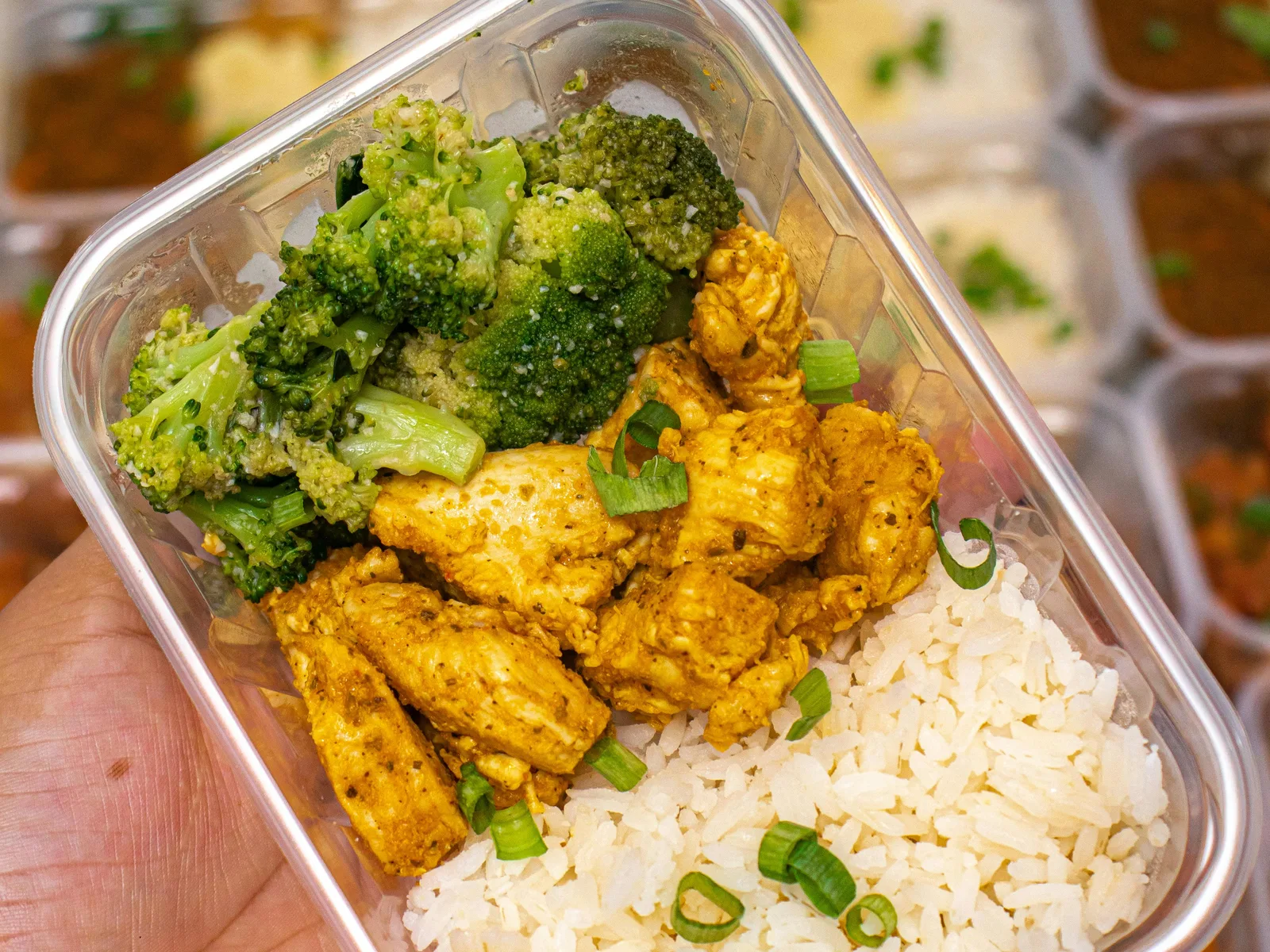
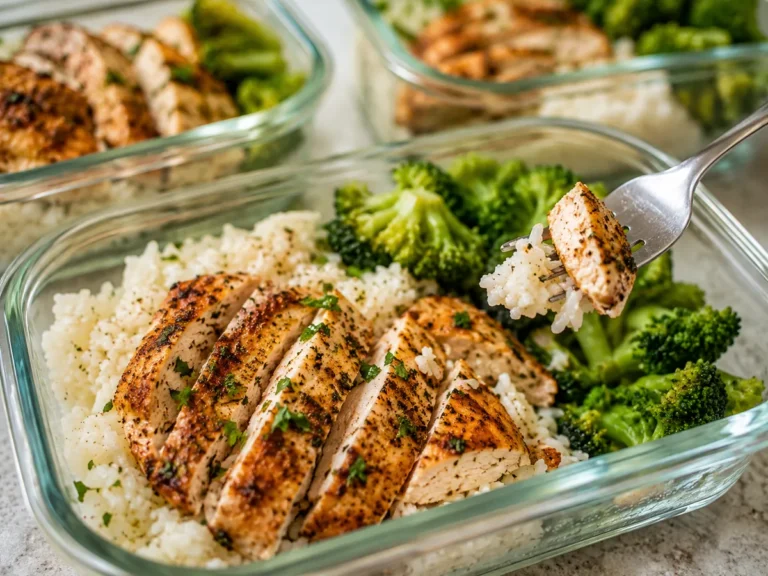
Build 2: Chicken Thigh Rice Boxes
Protein: Bone-in or boneless skinless chicken thighs, roasted
Base: Rice or potatoes
Vegetables: Roasted on the same sheet pan — broccoli, carrots, or whatever frozen vegetables are available
Flavour direction: Garlic powder, paprika, and olive oil before roasting — or a simple marinade of soy sauce and garlic
Storage: Fridge for three to four days; chicken thighs reheat well without drying out
Why it works on a budget: Chicken thighs are reliably cheaper than breast and produce a better result for meal prep. Sheet-pan cooking requires minimal hands-on time
Optional upgrade: Add a tahini drizzle or salsa when serving to shift the flavour profile mid-week
Build 3: Tofu Stir-Fry Boxes
Protein: Extra-firm tofu, pressed and pan-fried or baked
Base: Rice or noodles
Vegetables: Frozen broccoli, frozen edamame, shredded cabbage, or a frozen stir-fry blend
Flavour direction: Soy sauce, garlic, ginger, and a small amount of sesame oil — or a simple store-bought stir-fry sauce
Storage: Fridge for three days; tofu texture changes slightly after freezing, so freezing this build is not ideal
Why it works on a budget: Tofu is one of the more affordable animal-free proteins and absorbs flavour well when marinated before cooking. A frozen vegetable blend keeps the vegetable cost low
Optional upgrade: Add a soft-boiled egg to each container for additional protein
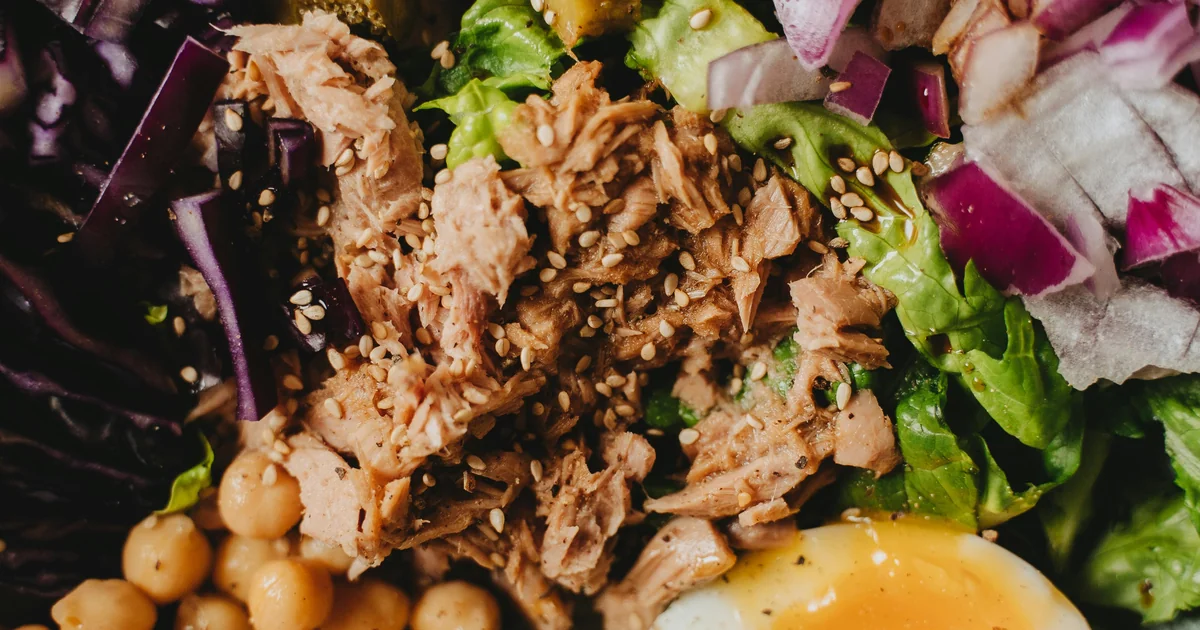
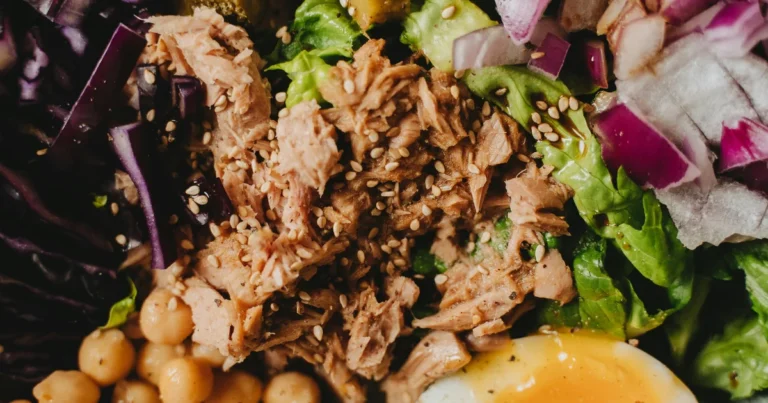
Build 4: No-Cook Tuna and Bean Lunch Bowls
Protein: Canned tuna + drained canned beans (black beans or chickpeas work well)
Base: Cooked pasta, rice, or no base at all if keeping it lighter
Vegetables: Cherry tomatoes, cucumber, shredded cabbage, corn from a can
Flavour direction: Olive oil, lemon juice, salt, pepper, and whatever herbs are on hand — or a simple vinaigrette
Storage: Assemble without dressing and add it when eating; holds for two to three days in the fridge
Why it works on a budget: This build requires no stove time for the protein. Canned tuna and beans both come from the pantry. Vegetables can be whatever is cheapest or already in the fridge
Optional upgrade: Add a handful of sunflower seeds or pumpkin seeds for additional protein and texture
Build 5: Egg and Cottage Cheese Breakfast Prep
Protein: Hard-boiled eggs + cottage cheese portioned into small containers
Base: Oats cooked in bulk (overnight oats or stovetop), or toast when serving
Vegetables/fruit: Frozen berries thawed overnight, or sliced banana — or skip entirely if keeping it savoury
Flavour direction: For savoury: cottage cheese with salt, pepper, and hot sauce alongside hard-boiled eggs. For sweet: cottage cheese with a drizzle of honey alongside overnight oats
Storage: Health Canada says hard-boiled eggs can be stored in a sealed container in the refrigerator for up to one week. Overnight oats keep for three to four days
Why it works on a budget: Eggs and cottage cheese are among the cheapest grams of protein per dollar in the dairy and refrigerated sections. Overnight oats prepared in bulk cost very little per serving
Optional upgrade: Mix a scoop of protein powder into overnight oats if a higher protein target is needed for that meal
One-Hour Beginner Meal Prep Plan
The goal here isn’t to prepare restaurant-quality meals. The goal is to have five or six ready-to-eat protein-containing meals in the fridge before the work week starts.
This plan uses overlapping cook times so nothing is just sitting around waiting.
Start with what takes longest:
- Put rice or potatoes on the stove or in the rice cooker first. Rice usually takes 20 minutes and needs almost no attention.
- While the rice or potatoes cook, prep your protein for the oven or stove. For chicken thighs: season and place on a sheet pan. For tofu: press, cube, and toss with soy sauce and garlic before baking. For lentils: rinse and start in a pot with water or broth.
- Add vegetables to the sheet pan with the chicken or tofu, or cook frozen vegetables in a separate pot while everything else finishes.
- While the oven runs, prepare one sauce. This could be as simple as mixing soy sauce, garlic, and a bit of water. Or whisking together olive oil, lemon, salt, and pepper. Or opening a jar of salsa.
- Once everything is cooked, let it cool slightly before portioning into containers. Dividing into four to six containers takes around ten minutes.
- Set your backup proteins — canned tuna, hard-boiled eggs, cottage cheese — in a visible spot in the fridge so they’re easy to grab when a main container runs short.
The total active time for this kind of prep is often less than 30 minutes. The rest is waiting for things to cook. Actual timing will vary depending on what you’re making and how familiar you are with the process.
Canadian Budget Grocery List
Use this as a starting framework. Adjust based on what’s on sale at your store this week and what’s already in your pantry.
Proteins
- Dry lentils (red or green)
- Canned beans (black beans or chickpeas — two to three cans)
- Eggs (at least one dozen)
- Canned tuna (three to four cans)
- Chicken thighs (family pack if on sale; freeze extras)
- Firm or extra-firm tofu (one to two blocks)
- Cottage cheese (large container)
- Plain Greek yogurt (large tub)
Carbs and Bases
- White or brown rice (larger bag for better value)
- Pasta (a large box)
- Potatoes or sweet potatoes
Vegetables
- Frozen broccoli (large bag)
- Frozen mixed vegetables (large bag)
- Cabbage (one head, good for multiple meals)
- Carrots
- Canned diced tomatoes (two to three cans)
Sauces and Flavour
- Soy sauce
- Garlic (fresh bulb or jarred)
- Salsa (large jar)
- Curry paste or curry powder
- Hot sauce
- Olive oil or neutral cooking oil
- Lemon juice (bottled is fine)
Backup Pantry Items
- Dried beans or lentils for future prep
- Extra canned tuna or salmon (buy extra when on sale)
- Oats (for breakfast prep)
What Not to Meal Prep
Some foods don’t survive the fridge well, and prepping them in advance creates meals that are disappointing by day two or three.
Salads with dressing added too early. Dressed salads wilt quickly. If prepping a salad-style bowl, keep the dressing separate and add it when you eat.
Crispy foods. Anything that relies on crunch — breaded chicken, roasted chickpeas, anything fried — loses its texture in a sealed container in the fridge. Prep the components and add crispy elements fresh when serving, or accept that the texture will soften.
Strong-smelling fish in shared spaces. Canned tuna and salmon are excellent budget proteins, but reheating fish in an office kitchen or shared space is a social decision worth thinking through. Cold tuna bowls often sidestep this issue entirely.
Overcooked chicken breast. Chicken breast dries out fast, and reheated chicken breast on day three is not a pleasant meal. If you prefer chicken breast, consider slicing it thin, keeping the sauce separate, and eating it earlier in the week. Chicken thighs are a much more forgiving option for meal prep.
Too many different meals at once. It’s tempting to prep five different recipes for variety. In practice, this means buying ingredients for five different flavour profiles, spending longer in the kitchen, and ending up with a small amount of each thing. One or two builds per prep session, done in higher volume, is more practical and usually cheaper.
Food Safety and Storage
For conservative meal prep, plan to eat refrigerated leftovers within 2 to 3 days, or freeze extra portions. Some Health Canada storage charts list 3 to 4 days for certain cooked foods, but timing depends on the food, how quickly it was cooled, the container used, and your fridge temperature. When in doubt, use your judgment: if something smells off or looks unusual, don’t eat it.
Cooling food before refrigerating matters. Placing large volumes of hot food directly into a sealed container in a warm fridge slows cooling and can create safety concerns. Let food cool for a short time before sealing and refrigerating — but don’t leave it at room temperature for extended periods. Health Canada recommends not leaving cooked food out for more than two hours.
Health Canada says hard-boiled eggs can be stored in a sealed container in the refrigerator for up to one week.
Freezing extends shelf life significantly for most meal prep proteins and cooked grains. Cooked lentils, beans, rice, and chicken thighs all freeze reasonably well. Portion before freezing so you can thaw only what you need.
Budget Mistakes Worth Avoiding
Building every meal around chicken breast. Chicken breast is a fine protein, but it’s often not the cheapest option per gram, it dries out easily in meal prep, and it limits variety. Rotating in lentils, beans, eggs, tofu, and chicken thighs usually lowers cost and improves results.
Ignoring legumes entirely. Dry lentils and beans are among the most affordable protein sources available in Canadian stores. Many people overlook them because they take slightly more effort to cook than opening a package, but the cost difference is substantial. Cooking a pot of lentils or beans once a week and using them across multiple meals is one of the more effective budget moves in this list.
Buying single-serve yogurt and cottage cheese containers. Individual-serve packaging costs significantly more per gram of protein than a large tub of the same product. If you go through Greek yogurt or cottage cheese regularly, buying the largest container available and portioning it yourself is an easy way to reduce cost.
Not using the freezer. The freezer is one of the most useful budget tools in a Canadian kitchen. Buying proteins when they’re on sale and freezing them immediately means you’re rarely buying at full price. Ground beef, chicken thighs, and cooked lentil or bean portions freeze well. Canned fish does not need freezer space, but it is worth keeping in the pantry when it goes on sale.
Cooking different recipes every week. Variety feels appealing when planning but creates complexity in the kitchen. Each new recipe requires different ingredients, different timing, and more mental load. A rotating set of two or three reliable builds — where you swap the flavour direction rather than the whole recipe — is more sustainable and usually cheaper.
Buying ingredients for too many different flavour profiles at once. If your shopping list requires five different sauces, three different grains, and four different proteins for one week of prep, the cost adds up quickly and so does the food waste. A narrower shopping list built around one formula tends to produce less waste and lower per-meal costs.
Frequently Asked Questions
What is the cheapest high-protein meal prep in Canada?
Lentil-based builds are consistently among the cheapest high-protein meal prep options available in Canada. Dry red or green lentils are widely available at major grocery chains and cost very little per gram of protein. Paired with rice or potatoes and a simple sauce, a batch of lentil rice bowls can produce five to six meals at a low per-meal cost. Eggs and canned tuna are close behind and require even less cooking.
Is chicken breast necessary for high-protein meal prep?
No. Chicken breast is not necessary for high-protein meal prep, and it’s not always the cheapest or most practical option. Lentils, beans, eggs, canned tuna, tofu, and chicken thighs all provide substantial protein at competitive prices and often produce better results in a meal prep context. Chicken thighs in particular stay moist when reheated, which chicken breast frequently does not.
What are good vegetarian high-protein meal prep options?
Dry lentils, dried or canned beans, firm tofu, eggs, cottage cheese, and plain Greek yogurt are all reliable vegetarian protein sources for meal prep in Canada. They’re widely available at most major grocery chains, and many of them are among the more affordable protein options on a per-gram basis. Combinations — like lentils with eggs, or tofu with cottage cheese as a backup — can make hitting a reasonable protein target easier across the day.
Can I meal prep without cooking?
Yes, to a reasonable extent. Canned tuna, canned salmon, canned beans, hard-boiled eggs, cottage cheese, and Greek yogurt require no cooking and are easy to portion into ready-to-eat containers or bowls. A no-cook lunch bowl — canned tuna or beans with raw vegetables, olive oil, lemon, and salt — requires almost no equipment and minimal time. Having a base like pre-cooked rice adds more structure, but even that step can be skipped for a lighter, lower-effort prep.
What proteins freeze well?
Ground beef, ground turkey, and chicken thighs freeze well both raw and cooked. Cooked lentils and beans freeze reliably in portioned bags or containers. Canned fish is shelf-stable and doesn’t need freezing, but extra cans are worth buying when on sale. Tofu changes texture slightly after freezing — it becomes firmer and chewier, which some people prefer and others don’t. Eggs in shell don’t freeze well; hard-boiled eggs don’t freeze well either. Beaten eggs and egg dishes can be frozen with variable results depending on the dish.
How do I avoid getting bored of meal prep?
The most common cause of meal prep burnout is making the exact same meal five times in a row. Changing the sauce or flavour direction mid-week — eating the chicken thigh rice boxes with salsa on Tuesday and with soy-garlic sauce on Thursday — costs almost nothing extra and makes the meals feel noticeably different. Varying the vegetables also helps. The formula-based approach in this guide is designed to let you swap within a structure rather than rebuild from scratch each week.
How much protein should I aim for per meal?
This depends on your individual needs, body size, activity level, and overall daily intake, and it’s worth looking at general guidance from a dietitian or registered health professional rather than relying on a general number from a food blog. That said, many general nutrition resources suggest that including a meaningful protein source at each meal — rather than concentrating all protein in one sitting — tends to be a practical approach for most people. The builds in this guide are designed to include a substantive protein component, but exact gram targets are individual and outside the scope of what a grocery guide should prescribe.
Sources and Methodology Notes
Protein values: Protein content figures referenced in this guide are based on general ranges consistent with the Canadian Nutrient File maintained by Health Canada. Exact values vary by brand, preparation method, and specific product.
Prices: No specific prices are stated as current facts in this guide. Canadian grocery prices vary significantly by province, retailer, store format, and sale cycle. Readers are encouraged to check local flyers, store apps (most major Canadian chains publish weekly flyers digitally), and unit price labels on shelf tags for current comparisons. The cheapest option in one city may not be the cheapest in another.
Food safety: Storage guidance in this article is general. Readers are encouraged to consult Health Canada’s safe food storage guidance and food safety tips for leftovers for specific guidance on safe storage times and temperatures. The hard-boiled egg storage note in this guide references Health Canada’s egg safety guidance.
Retailer references: No specific Canadian retailers are endorsed or paid for inclusion in this guide. Suggestions to check flyers or sale cycles apply broadly across major grocery chains.

One Comment