
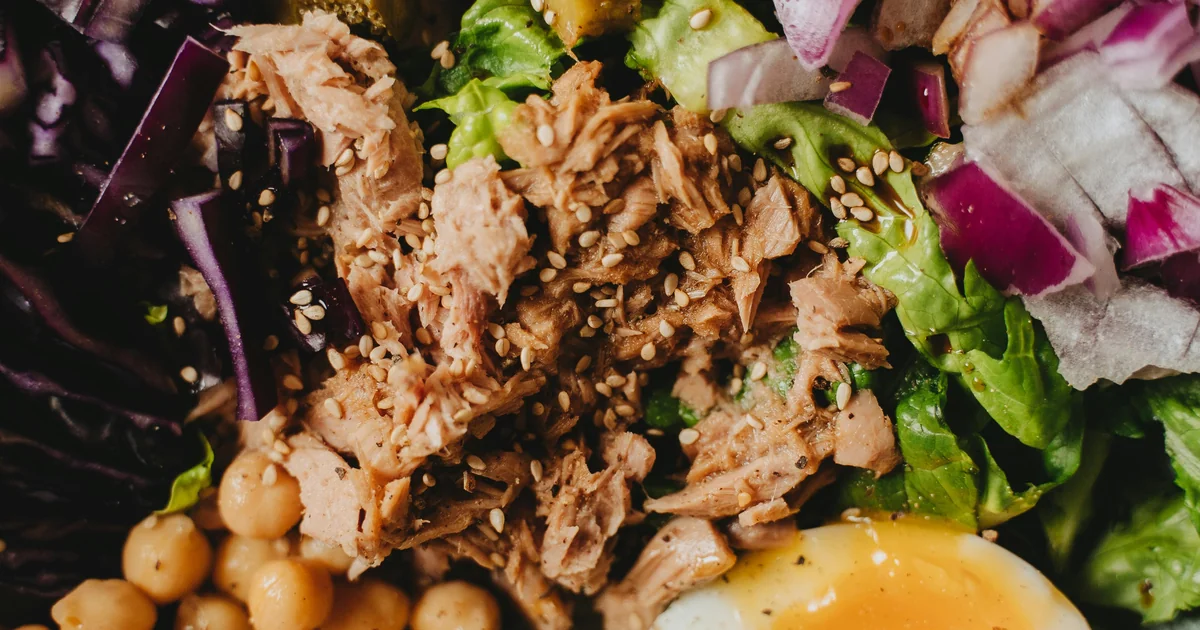
Best Cheap Protein Sources in Canada by Cost Per Gram
Protein is one of the first things that makes a Canadian grocery bill feel expensive — especially when you default to what’s most familiar: chicken breast at full price, single-serve Greek yogurts, protein bars, or pre-packaged snacks marketed as high-protein.
But protein itself isn’t inherently expensive. Some of the cheapest items in a Canadian grocery store are also among the highest in protein per dollar. The problem is that most people compare package prices rather than protein prices — and that gap is where the money goes.
This guide uses cost per gram of protein as the primary metric, because it’s the most useful way to compare foods fairly across different package sizes and categories. A cheaper package isn’t always a better deal. A more expensive item isn’t always worse value. The math tells you more than the price tag.
Below, you’ll find a comparison table organized by value bands, plain-language breakdowns of 18 common protein sources, and practical guidance by situation — for students, meal preppers, no-cook setups, freezer shoppers, and more.
No exact prices are promised. Grocery prices in Canada shift constantly by province, store, sale cycle, and package size. But the patterns are consistent, and once you understand the framework, you can apply it every time you shop.
Quick Answer: Strong Budget Protein Options in Canada
If you’re in a hurry, here’s the short version.
Usually among the cheaper protein options per gram in Canada:
- Dry lentils — consistently strong value, high protein, very versatile
- Dried chickpeas and black beans — similar to lentils; buy dry for best cost per gram
- Canned beans — slightly more expensive per gram than dry, but solid value and no cooking required
- Tofu — often underrated; good protein per dollar, especially for plant-based cooking
- Canned tuna — one of the more practical no-cook animal protein options for the price
- Milk — easy, reasonably priced per gram, works across meals and snacks
- Eggs — reliable, flexible, and usually strong value at typical Canadian prices
- Chicken thighs (bone-in or skin-on, on sale) — often significantly cheaper than breast; still high protein
Good value when you shop strategically:
Greek yogurt, cottage cheese, canned salmon, pork tenderloin on sale, ground turkey, ground beef
The longer version — with context, caveats, and a full comparison table — is below.
Methodology: How This Guide Works
Price disclaimer: Prices in this guide are estimates based on typical Canadian grocery pricing, publicly available nutrition data, and store or flyer examples at the time of writing. Grocery prices change by province, store, sale cycle, package size, and availability. Use your local flyer, receipt, or store app to confirm current prices before shopping.
What “cost per gram of protein” means
Every food on this list was evaluated using two inputs:
- Estimated price per 100g (or per unit) based on typical Canadian grocery price ranges
- Approximate protein content per 100g based on publicly available nutrition data
From there, a rough cost per gram of protein is estimated. For example: if a food provides 25g of protein per 100g and costs around $1.00 for that 100g, you’re getting protein at roughly 4 cents per gram. If another food provides 10g of protein per 100g and costs $2.00 for 100g, that works out to around 20 cents per gram — five times more expensive for the same protein.
Why this metric matters
Package price is misleading. A $1.50 can of chickpeas and a $1.50 single-serve protein yogurt look the same on the shelf — but the chickpeas deliver significantly more protein per dollar. Cost per gram cuts through packaging and portion size to give you a more honest comparison.
Value bands used in this guide
Because Canadian grocery prices are not fixed — and vary meaningfully between provinces, store formats (discount vs. conventional vs. warehouse), and sale cycles — foods in this guide are placed in value bands rather than a fixed numeric ranking. Prices shift, and a rigid numbered list would become misleading quickly.
| Band | What it means |
|---|---|
| Usually very cheap per gram | Consistently competitive across most store types and provinces |
| Often good value | Strong value at regular price; even better on sale |
| Good value on sale | Worth buying strategically; regular price is moderate |
| Convenient but not always cheapest | Higher estimated cost per gram, but saves time or fills a specific need |
What this guide does not do
- It does not guarantee specific prices
- It does not claim to reflect every store, region, or week
- It does not replace your local flyer
- It does not account for food waste, which affects real cost per gram meaningfully — dry beans that sit unused are not a budget win
Comparison Table: Budget Protein Sources in Canada
All figures are estimates. Protein content is approximate, based on publicly available nutrition data. Price ranges reflect typical Canadian grocery pricing at the time of writing and will vary by store, province, and sale cycle. This table uses value bands — not a fixed ranking.
| Protein Source | Typical Canadian Price Range | Approx. Protein (per 100g cooked or as-is) | Est. Cost Per Gram of Protein | Best Use | Value Band |
|---|---|---|---|---|---|
| Dry lentils | ~$2–$4 / 900g bag | ~9g (cooked) | Very low | Soups, dal, meal prep | Usually very cheap per gram |
| Dried chickpeas | ~$2–$4 / 900g bag | ~9g (cooked) | Very low | Roasting, hummus, stews | Usually very cheap per gram |
| Dried black/kidney beans | ~$2–$4 / 900g bag | ~8–9g (cooked) | Very low | Chili, burritos, bowls | Usually very cheap per gram |
| Tofu (firm) | ~$3–$5 / 450–500g block | ~8–12g | Low–moderate | Stir-fry, scrambles, meal prep | Often good value |
| Canned tuna (flaked, in water) | ~$1.50–$3 / 170g can | ~25–28g | Low | No-cook meals, sandwiches, salads | Often good value |
| Milk (2% or skim) | ~$4–$6 / 2L jug | ~3–4g per 100ml | Low | Drinks, oatmeal, cooking | Often good value |
| Canned beans (black, kidney, chickpea) | ~$1–$2 / 540ml can | ~7–9g (drained) | Low–moderate | No-cook use, quick meals | Often good value |
| Chicken thighs (bone-in, skin-on) | ~$4–$10/kg at discount stores or on sale; often higher at conventional stores | ~17–20g | Low–moderate | Meal prep, roasting, batch cooking | Often good value |
| Eggs (large, 12-pack) | ~$4–$6 / dozen | ~13g per 100g (~6g per egg) | Low–moderate | Breakfast, baking, quick protein | Often good value |
| Greek yogurt (plain, 2%+) | ~$5–$8 / 750g tub | ~10g per 100g | Moderate | Breakfast, snacks, sauces | Good value on sale |
| Cottage cheese | ~$4–$7 / 500g tub | ~11–14g per 100g | Moderate | Breakfast, snacks, bowl base | Good value on sale |
| Chicken breast (boneless, skinless) | ~$8–$14 / kg (sale ~$6–$9/kg) | ~23–31g | Moderate (better on sale) | Meal prep, grilling | Good value on sale |
| Canned salmon (pink or sockeye) | ~$3–$6 / 213g can | ~20–25g | Moderate | No-cook, pasta, patties | Good value on sale |
| Ground beef (lean or regular) | ~$7–$13 / kg | ~17–20g | Moderate–higher | Batch cooking, freezer meals | Good value on sale |
| Ground turkey | ~$6–$11 / kg | ~17–22g | Moderate | Batch cooking, leaner option | Good value on sale |
| Pork tenderloin | ~$8–$14 / kg (sale ~$5–$8/kg) | ~21–23g | Moderate (stronger on sale) | Roasting, meal prep | Good value on sale |
| Frozen edamame | ~$4–$7 / 500g bag | ~11g (shelled) | Moderate | Snacks, bowls, quick sides | Convenient but not always cheapest |
| Sardines (canned, in oil or water) | ~$2–$4 / 106–125g can | ~20–25g | Low–moderate | No-cook, toast, salads | Often good value |
Deep Dives: Budget Proteins Worth Knowing
1. Dry Lentils
Dry lentils are, by most reasonable comparisons, one of the most affordable sources of protein available in Canadian grocery stores. A standard 900g bag typically costs somewhere in the $2–$4 range at conventional and discount stores, and that bag goes a long way — dry lentils roughly triple in volume when cooked.
Lentils are particularly useful because they cook relatively quickly for a dry legume (no soaking required), hold well in the fridge for several days, and absorb the flavours of whatever they’re cooked with. Dal, lentil soup, lentil bolognese, lentil tacos, lentil salads — the range of directions is wide.
One honest note: like most legumes, lentils don’t provide the full range of amino acids in the proportions found in animal protein. For most people eating a varied diet with other protein sources throughout the day, this is not a meaningful practical concern — but it’s worth being aware of if lentils would be your only regular protein source.
2. Dried Chickpeas and Beans
Dried chickpeas, black beans, and kidney beans follow very similar logic to lentils: buy dry, and the estimated cost per gram of protein is consistently low.
The main differences from lentils:
- Most dried beans require soaking overnight and a longer cook time (roughly 1–2 hours on the stove, or considerably less in a pressure cooker)
- The flavour and texture vary by type — black beans for chili and burritos, chickpeas for roasting or hummus, kidney beans for hearty soups and stews
The effort is front-loaded but manageable. Cook a large batch on the weekend and refrigerate or freeze portions for the week. At estimated prices of $2–$4 per 900g bag, dried beans are consistently among the more affordable protein sources available in most Canadian stores.
3. Tofu
Tofu is often overlooked by people who don’t cook plant-based food — but it’s one of the more cost-effective plant proteins in Canada, especially when you account for protein density.
A 450–500g block of firm tofu typically runs somewhere in the $3–$5 range at most grocery stores. Prices can be lower at Asian grocery stores in many Canadian cities, though availability varies by region. Pressed and pan-fried or baked, tofu holds up well in meal prep containers and absorbs marinades effectively.
The protein content of firm tofu is roughly 8–12g per 100g, depending on brand and firmness level. Silken tofu is lower in protein and better suited to smoothies or desserts than to high-protein cooking.
4. Canned Tuna
For animal-based protein without any cooking or refrigeration required, canned tuna is one of the more practical options at this price point. A standard 170g can of flaked tuna in water typically costs somewhere in the $1.50–$3.00 range — often less on sale or in multi-packs — and delivers roughly 25–28g of protein per can.
That protein-to-price estimate is difficult to match in the canned food aisle. It’s also shelf-stable, making it practical to stock up on when it goes on sale.
One note worth being aware of: fish consumption and mercury is a topic with guidance published by Health Canada. Flaked light tuna is generally considered the lower-mercury option compared to albacore (white) tuna, and is typically the most affordable variety as well. If you eat canned tuna frequently, or have specific dietary considerations, it’s worth checking current Health Canada guidance directly — see the Sources and Methodology Notes section below.
5. Milk
Milk doesn’t appear on most “budget protein” lists, but the math often supports including it. Two percent or skim milk typically runs $4–$6 for a 2L jug at most Canadian grocery stores, though prices vary noticeably by province and store format.
At roughly 3.5–4g of protein per 100ml, milk works out to a reasonable estimated cost per gram — especially if it’s already part of your regular diet (oatmeal, coffee, cooking, smoothies). It’s not the densest protein source, but it’s convenient, widely available, and easy to fold into meals that already exist in your routine.
One limitation worth noting: it’s liquid, so it doesn’t function as a standalone meal or snack the same way most solid protein sources do.
6. Chicken Thighs
Bone-in, skin-on chicken thighs are often significantly cheaper per kilogram than boneless skinless chicken breast — often seen around $4–$10/kg at discount stores or on sale, but sometimes higher at conventional stores or outside sale periods.
After cooking and removing bone and skin, the edible yield is lower than the raw weight, but the protein content of the cooked meat is still solid — roughly 17–20g per 100g. The fat content is higher than chicken breast, which is worth knowing. For most people cooking on a budget, though, this isn’t a dealbreaker, and many find that thighs retain moisture better during batch cooking.
For meal prep, bone-in thighs roasted in the oven with basic seasoning are one of the most practical protein options in this guide.
7. Eggs
Eggs are a reliable protein option across most Canadian provinces. A 12-pack of large eggs typically costs somewhere in the $4–$6 range at conventional grocery stores, with variation based on store format, egg type (free-range, organic, conventional), and region.
Each large egg contains roughly 6g of protein, which puts the estimated math in reasonably favourable territory. More importantly, eggs are one of the most flexible proteins on this list — breakfast, baking, egg salad, frittata, fried rice, scrambles, meal prep. They’re also quick to cook.
One practical note: egg prices in Canada have shifted meaningfully in recent years, so it’s worth checking your current local price rather than assuming the value band is fixed.
8. Greek Yogurt
Plain Greek yogurt (2% or higher fat) from a larger tub — 750g or 1kg — typically offers around 10g of protein per 100g. The price per large tub often lands in the $5–$8 range, which is reasonable on a per-gram-of-protein estimate.
The pitfall is single-serve containers. A 100–175g single-serve cup at $1.50–$3.00 per unit is considerably worse value per gram of protein than buying the same product in a large tub. If Greek yogurt is a regular part of your diet, the largest available tub is almost always the better cost-per-gram decision.
Greek yogurt works well as a breakfast base, a higher-protein snack, or as a substitute for sour cream in savoury cooking.
9. Chicken Breast
Boneless skinless chicken breast is often held up as the budget protein — but the math doesn’t consistently support that reputation. At regular prices of $8–$14/kg (and sometimes higher), it’s not among the cheapest protein options per gram, especially compared to dried legumes or eggs.
It is high in protein — roughly 23–31g per 100g of cooked meat — which helps the math, and it’s versatile and familiar to cook with. When it goes on sale, often to $6–$9/kg or lower, it becomes meaningfully more competitive.
The honest takeaway: chicken breast is a good protein source, but it’s worth comparing it against chicken thighs and dried legumes before assuming it’s your best budget option.
10. Canned Salmon
Canned salmon (pink or sockeye) delivers solid protein — often around 20–25g per 100g, depending on brand and drained weight — and is shelf-stable, making it practical to stock on sale. A 213g can typically costs somewhere in the $3–$6 range at regular price, though the protein per can varies by label and it appears in flyer sales with some regularity.
Compared to canned tuna, it’s usually a bit more expensive per estimated gram of protein, but it offers a different flavour profile. Some people prefer it for salmon patties, pasta, or on crackers. Sockeye has a stronger flavour than pink; both work reasonably well for cooking.
Watch the Flyer: Proteins Worth Buying on Sale
Some protein sources aren’t the strongest everyday value at regular price but become notably better options when bought strategically on sale. These are worth watching in your local flyer or store app:
Pork tenderloin is one of the leaner cuts of pork with a solid protein-to-weight ratio. At regular prices it can run $8–$14/kg, but it appears on sale fairly regularly — sometimes in the $5–$8/kg range or lower — at which point the estimated cost per gram improves considerably.
Bone-in chicken thighs are already in the “often good value” band, but a strong sale can push the price well below regular shelf pricing. When you see a genuinely strong local sale, buying extra and freezing is a practical move.
Ground beef ranges widely in price depending on fat content, package size, and store format. On sale it becomes more competitive per gram. One note: higher-fat ground beef isn’t necessarily worse value than extra-lean if you’re draining fat after cooking — but the protein content per gram will differ somewhat between varieties.
Ground turkey is sometimes overlooked. At regular prices it’s moderate value; on sale it can become competitive with ground beef on estimated cost per gram.
Canned salmon goes on sale often enough that stocking up when it does is worthwhile if you use it regularly.
General flyer habit: Most Canadian grocery chains run weekly flyers, and meat and canned goods cycle through on a reasonably predictable schedule. Checking the flyer before building your grocery list — rather than after arriving at the store — is one of the more practical changes you can make to a protein budget. See our Canadian Grocery Guides for more store-by-store tips.
The Convenience Factor: When Paying More Per Gram Makes Sense
Estimated cost per gram of protein is a useful metric, but it’s not the only one. If a cheaper option means you won’t actually cook it — or it’ll sit in your pantry until you throw it out — it isn’t really cheap.
Here are the protein sources in this guide that cost more per estimated gram but offer real convenience value:
Canned tuna and canned salmon: No cooking required. Open the can, drain it, and use it. For students, busy households, or anyone without reliable cooking time, this matters.
Canned beans: More expensive per gram than dry beans, but no soaking and no long cook time. For weeknight cooking, the time savings often justify the slightly higher estimated cost.
Greek yogurt and cottage cheese: Ready to eat, portable, and require no preparation. If you’d otherwise skip a protein source entirely because you don’t have time to cook, these earn their place.
Milk: Already in most refrigerators for other reasons. Adding it to oatmeal, smoothies, or coffee is zero-effort protein.
Frozen edamame: Slightly pricier per gram, but takes minutes to prepare from frozen and is one of the more accessible plant-based snack proteins in Canadian grocery stores.
Sardines: An acquired taste, but very convenient — no cooking required, and oil-packed varieties need no draining. They’re often noted for their omega-3 content, and the estimated cost per gram is typically lower than people expect.
The honest framework: if convenience means you’ll actually eat the food, it’s worth the premium. The cheapest protein per gram that never gets used is not a budget win.
Mistakes That Cost You More Per Gram
These are common patterns worth avoiding:
Assuming chicken breast is always the budget winner. It’s a solid protein source, but it’s not always the cheapest per gram — especially compared to dried legumes or chicken thighs on sale.
Ignoring dried lentils and beans. Many people don’t cook with them because they feel unfamiliar or time-consuming, but the estimated cost-per-gram advantage is real. Even one batch per week makes a meaningful difference.
Buying single-serve protein foods regularly. Single-serve Greek yogurt cups, small cottage cheese containers, individual protein bars, and pre-portioned meat packages almost always cost more per gram than their larger equivalents.
Comparing package price instead of protein per dollar. A $4 product and a $6 product can’t be compared without knowing how much protein each delivers and how large the serving is.
Not checking the flyer before shopping. For proteins like chicken thighs, pork tenderloin, and canned fish, flyer sales can shift the estimated cost-per-gram picture significantly.
Forgetting about your freezer. Most animal proteins freeze well. If chicken thighs are on a strong sale, buying extra and freezing them is one of the higher-leverage moves in budget grocery shopping. Cooked lentils and beans also freeze well in portioned containers.
Overcomplicating the comparison. You don’t need to do this math every single week. Once you understand which proteins are generally strong value — dried legumes, eggs, tofu, canned tuna, chicken thighs — you can shop with that knowledge and only dig into the numbers when evaluating something new.
Best Choice by Situation
Usually cheapest overall (by estimated cost per gram of protein)
Dry lentils, dried chickpeas, or dried black/kidney beans. These are consistently the strongest options when cost per gram is the primary factor. Cook in batches and freeze in portions.
Best no-cook protein
Canned tuna for animal protein. Canned beans for plant-based. Both require no cooking and deliver solid estimated protein per dollar. Greek yogurt and cottage cheese are close seconds.
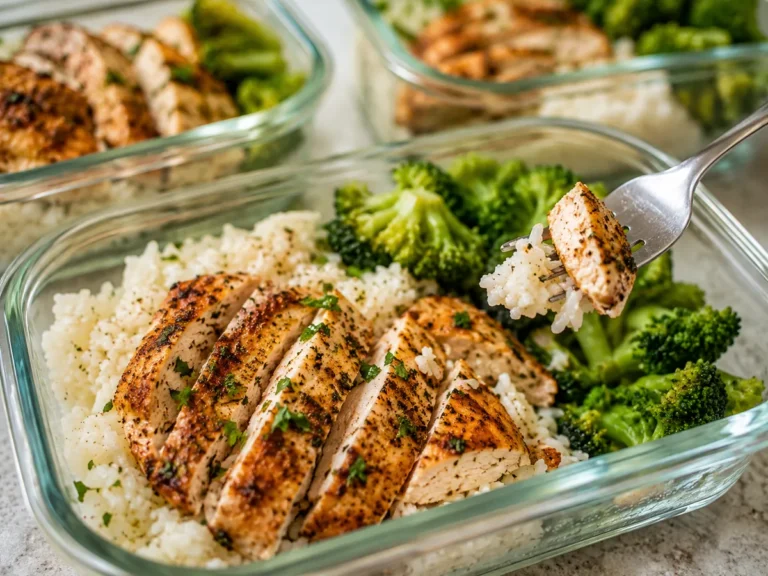
Best meal prep protein
Chicken thighs (roasted in batches), dry lentils (cooked in bulk), and ground beef or turkey (browned in large portions for freezer meals). All hold reasonably well in the fridge and freeze effectively. See our Meal Prep Basics guide for batch cooking techniques and storage tips.
Best student option
Eggs, canned tuna, dried lentils, and milk. Generally lower cost, minimal equipment required, and manageable to prepare in a small kitchen. Canned beans are also useful for students with limited prep time. If you’re just getting started, our Start Here page walks through the basics.
Best breakfast protein
Eggs (flexible, quick, and usually solid value). Greek yogurt from a large tub. Cottage cheese. Milk added to oatmeal or smoothies.
Best freezer protein
Chicken thighs (raw), ground beef or turkey (raw or cooked), pork tenderloin (raw). All freeze well. Cooked lentils and beans also freeze effectively in portion bags.
Best vegetarian protein
Dry lentils and beans (estimated cost leaders). Tofu (competitive per gram, especially at Asian grocery stores). Eggs (if lacto-ovo vegetarian). Greek yogurt and cottage cheese (lacto-vegetarian). Frozen edamame (convenient, and as a soy food, generally considered one of the more complete plant protein options).
Best “watch the flyer” protein
Pork tenderloin — lean, high-protein, and considerably better value on sale than at regular price. Bone-in chicken thighs — already solid everyday value, and even better when a sale hits.
Frequently Asked Questions
What is the cheapest protein source in Canada?
On an estimated cost-per-gram basis, dry lentils, dried chickpeas, and dried beans are typically among the least expensive protein sources available in Canadian grocery stores. A 900g bag generally costs somewhere in the $2–$4 range and provides a large number of servings once cooked.
For animal-based protein, canned tuna and eggs are usually among the more affordable regular-price options, with chicken thighs becoming very competitive on sale.
That said, “cheapest” depends on your local store, your province, the current week, and the sale cycle. Always verify with your own flyer or receipt.
Is chicken breast the best budget protein?
Not always. Chicken breast is high in protein and works well for meal prep, but it’s not consistently the cheapest per gram — especially compared to dried legumes or chicken thighs. At regular prices, boneless skinless chicken breast can cost more per estimated gram of protein than eggs, canned tuna, or dry beans.
When it goes on sale, the math improves significantly. But if you’re regularly buying chicken breast at full price while ignoring lentils, beans, and thighs, you’re likely spending more per gram than necessary.
Are beans and lentils high enough in protein?
For most people, yes — they’re a meaningful source of protein. Cooked lentils and beans typically provide an estimated 7–9g of protein per 100g. Eaten as part of a varied diet alongside other protein sources, they contribute significantly to daily intake.
The common question about plant protein involves amino acid profiles — legumes don’t provide the full range of essential amino acids in the same proportions as animal proteins. For most people eating a mixed diet, this is not a meaningful day-to-day concern. If plant protein is your primary or only source, it may be worth reading further or speaking with a registered dietitian. Canada’s Food Guide includes guidance on choosing protein foods, including plant-based options.
Is tofu cheap in Canada?
Relative to other protein sources, tofu is often competitive on an estimated cost-per-gram basis. A 450–500g block at a conventional grocery store typically runs $3–$5. Prices can be lower at Asian grocery stores in many Canadian cities, though this varies by location.
Firm tofu has the highest protein content and holds up best for cooking. If you’ve been avoiding tofu based on an assumption it’s expensive, it’s worth doing the math — it often compares favourably to chicken at regular price.
Is canned tuna a good budget protein?
Yes. Canned flaked tuna in water is consistently one of the better estimated protein-per-dollar options in the canned food aisle, and it requires no cooking or refrigeration before opening. It’s particularly practical for students, no-cook meals, and situations where prep time is limited.
One thing worth knowing: fish consumption and mercury is a topic with published guidance from Health Canada. Flaked light tuna is generally considered the lower-mercury option compared to albacore (white) tuna, and is typically also the more affordable variety. If you have specific dietary considerations, checking Health Canada’s current mercury guidance directly is worthwhile.
How do I compare protein prices at the grocery store?
A simple method you can use in-store:
- Check the price for the package or unit
- Note the serving size, or look at per-100g values on the nutrition label
- Find the protein grams per serving
- Divide: price per serving ÷ grams of protein = estimated cost per gram of protein
For example: a $1.99 can of tuna with 25g of protein works out to roughly 8 cents per gram. A $3.00 block of tofu with 40g total protein works out to roughly 7.5 cents per gram. That’s a real, usable comparison.
You don’t need to do this for every item every week. Once you’ve run the numbers on your regular proteins, you’ll have a working mental model. To apply the same math to full meals and recipes, see the cost per serving guide.
Should I use sale prices or regular prices when comparing?
Both, in different ways.
Regular prices tell you what you can reliably budget for without planning around sales.
Sale prices tell you what’s worth stocking up on. If a protein regularly goes on sale to a meaningfully better cost-per-gram, buying more when that sale hits — and freezing the extra if it’s meat — is a practical strategy.
The proteins most worth watching on sale: pork tenderloin, bone-in chicken thighs, ground beef, ground turkey, and canned salmon. These are the ones where sale pricing can meaningfully shift the value picture.
What protein should I buy for meal prep?
The most useful meal prep proteins tend to be ones that:
- Cook well in large batches
- Hold texture and flavour in the fridge for 3–5 days
- Freeze and reheat without major quality loss
Practical choices:
- Dry lentils (cook a full pot, refrigerate or freeze in portions)
- Bone-in chicken thighs (roast a full tray)
- Ground beef or turkey (brown a large batch, freeze in portions)
- Canned tuna or canned beans (no prep needed; use directly in meal prep bowls)
A Note on Protein Quality vs. Protein Quantity
This guide focuses on estimated cost per gram of protein — a useful and practical shopping metric. It does not account for differences in protein digestibility or amino acid profiles between plant and animal sources, which vary and may matter depending on your overall diet.
The practical approach for most people: use a mix. Dried legumes for everyday cooking, eggs and canned tuna for quick higher-protein meals, and chicken thighs or ground meat for larger batch cooking. That combination tends to deliver reasonable protein variety at a cost per gram that holds up week to week.
No single food on this list needs to carry your entire protein intake. If you have specific dietary goals or health conditions that affect protein needs, a registered dietitian is a more appropriate resource than a grocery guide.
Sources and Methodology Notes
Protein values in this guide are estimates based on publicly available nutrition data. Where possible, figures were cross-referenced against the Health Canada Canadian Nutrient File and USDA FoodData Central. Protein content varies by brand, product, and preparation method — always check the Nutrition Facts table on what you buy.
Price ranges are estimates based on typical Canadian grocery pricing at the time of writing. They are not current, exact, or guaranteed. Prices vary by province, store format, package size, and sale cycle. Use your local flyer, store app, or in-store shelf tag to verify current prices before shopping.
Fish and mercury: If you eat canned tuna frequently, Health Canada has published guidance on fish consumption and mercury that is worth reading directly. Read Health Canada’s mercury guidance directly here: Mercury in fish. This is particularly worth reviewing if you are pregnant, breastfeeding, or preparing food for young children.
This guide does not provide nutrition or medical advice. For personalized guidance on protein intake or dietary needs, consult a registered dietitian.
Final Thoughts
The most affordable protein sources in Canada are not complicated to find — but they do require comparing costs rather than just reaching for what’s familiar.
Dry lentils, dried beans, tofu, canned tuna, eggs, milk, and chicken thighs on sale are consistently strong options across most of the country. Greek yogurt, cottage cheese, and canned salmon are solid when bought in larger sizes or on sale. Pork tenderloin and ground turkey are worth tracking in the flyer.
The habit worth building: check the estimated cost per gram, not just the package price. Once that’s part of how you shop, you’ll spend less on protein without eating less of it.
Prices in this guide are estimates based on typical Canadian grocery pricing and publicly available store or flyer data at the time of writing. Grocery prices change frequently by province, store, sale cycle, and package size. Always verify current prices using your local flyer, store app, or receipt.

One Comment