Cheap Protein Grocery List Canada: Budget High-Protein Staples to Buy
A high-protein grocery list can get expensive fast if every item is chicken breast, protein bars, and single-serve yogurt. Add a few specialty items and a couple of branded snacks, and a cart that looked reasonable at the start ends up over budget before you’ve even picked up produce.
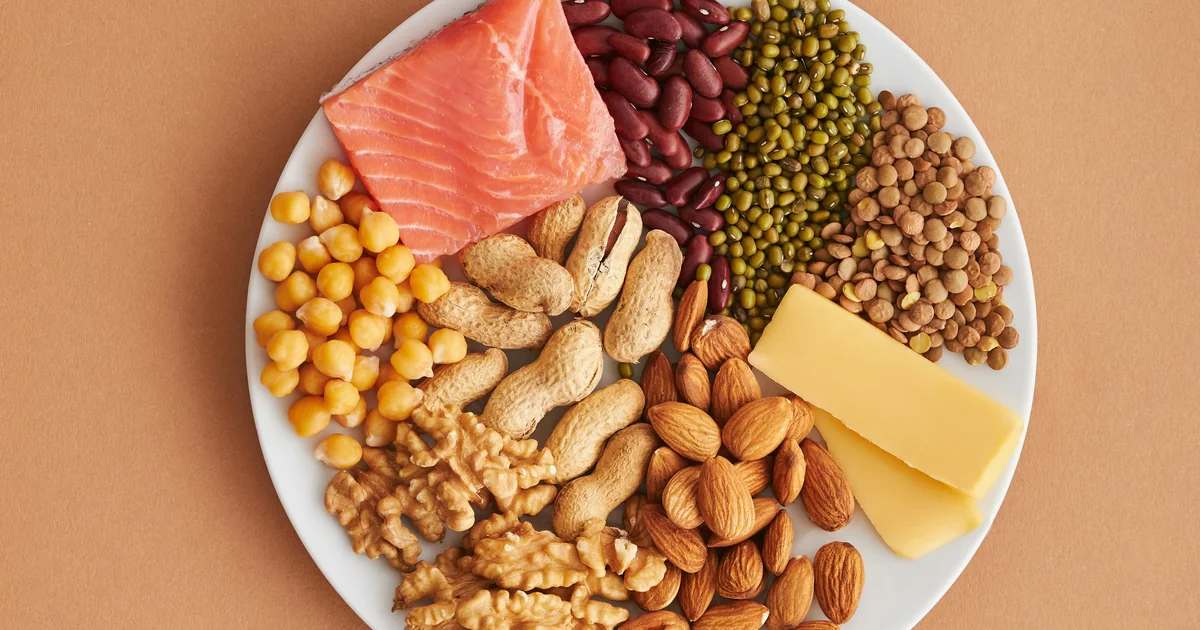
The fix is less glamorous than most high-protein grocery lists make it look: buy the foods that do the work, skip the products that mostly sell the idea of protein, and keep enough backup staples around that one busy night does not turn into takeout. Canada has a solid range of affordable protein staples — lentils, eggs, canned fish, tofu, cottage cheese, chicken thighs, and more — that are widely available, practical for meal prep, and often better value than the branded “high protein” products marketed at you.
This guide is built around real Canadian grocery shopping: what to keep in the pantry, what to grab when it’s on sale, what’s worth buying at full price, and what to skip. The goal is not to build a perfect grocery cart. The goal is to stop paying premium prices for protein by accident.
Quick Answer: Cheapest Protein Staples in Canada
Cheapest shelf-stable proteins: dry lentils, dried beans, canned beans, canned tuna, sardines
Best refrigerated proteins: eggs, tofu, cottage cheese, Greek yogurt (large tub), milk
Best freezer proteins: chicken thighs (on sale), ground beef or turkey (on sale), pork tenderloin (on sale), frozen edamame
Best no-cook proteins: canned tuna, canned salmon, canned beans, hard-boiled eggs, cottage cheese
Best vegetarian proteins: dry lentils, dried beans, canned beans, tofu, eggs, cottage cheese, Greek yogurt, frozen edamame
Items worth waiting for a sale: chicken thighs, ground beef, ground turkey, pork tenderloin, canned salmon, large-tub Greek yogurt or cottage cheese
How to Build a Cheap Protein Grocery List
Rather than grabbing a random collection of “healthy” items, it helps to think in zones. A cheap protein grocery list is not just a list of foods — it is a small backup system for the week. A well-stocked version has five layers:
Pantry proteins are the foundation. Dry lentils, canned beans, canned tuna, and oats don’t expire quickly, don’t need refrigeration, and can bail you out when the fridge is empty. A pantry protein is not exciting until it saves you from ordering food on a tired night. These staples are also often among the cheapest protein sources per gram available in Canadian grocery stores.
Fridge proteins cover the perishables you’ll use within the week: eggs, tofu, Greek yogurt, cottage cheese, and milk. This is where budget plans can quietly leak money if everything is single-serve or bought without a plan. These foods need to be rotated and used, but they’re versatile enough to show up in breakfast, lunch, dinner, and snacks.
Freezer proteins are your sale stockpile. When chicken thighs or ground beef goes on sale, that’s the time to buy more than you need this week. The freezer extends the value of a sale price across several weeks.
Carb and base items — rice, oats, potatoes — aren’t proteins, but they’re part of every affordable high-protein meal. They stretch your protein further and keep meals filling.
Flavour items don’t need to be complicated: a couple of hot sauces, soy sauce, canned tomatoes, and spices are enough to make lentils, tofu, and chicken thighs taste like completely different meals across a week.
Build your list around this system, not around impulse items, and your grocery bill becomes more predictable. If every protein on your list has to be cooked the same day you buy it, the list is too fragile.
Master Cheap Protein Grocery List for Canada
Prices vary by province, store, and sale cycle. The “budget note” and “buy now or wait” guidance below reflects general patterns — always check your local flyer or store app before shopping.
| Item | Where It Lives | Why It’s Useful | Best Use | Budget Note | Buy Now or Wait for Sale? |
|---|---|---|---|---|---|
| Dry lentils | Pantry | Strong protein per dollar; long shelf life | Soups, stews, rice bowls, curries | Usually among the lower-cost protein sources available | Buy now |
| Dried beans (black, kidney, chickpeas) | Pantry | Cheaper than canned; shelf-stable for months | Stews, salads, burritos, meal prep batches | Requires soaking/cooking time; cheaper per serving than canned | Buy now |
| Canned beans | Pantry | Convenience version of dried; ready to use | Quick bowls, soups, wraps | More expensive per serving than dry, but still budget-friendly | Buy now |
| Canned tuna | Pantry | Lean, high protein, no refrigeration needed | Salads, wraps, pasta, rice bowls | Often a strong cost-per-protein pantry item | Buy now |
| Sardines | Pantry | Useful protein source often noted for omega-3 fat content | On crackers, in pasta, mixed into grain bowls | Can be budget-friendly; compare shelf tags | Buy now |
| Canned salmon | Pantry | Different flavour and nutrition profile than tuna; no refrigeration | Patties, salads, pasta | Usually pricier than tuna; better value on sale | Wait for sale |
| Eggs | Fridge | Fast, versatile, complete protein | Breakfast, fried rice, egg salads, meal prep | Varies by province and store; generally affordable most weeks | Buy now (unless price is high locally) |
| Tofu | Fridge | Plant-based protein, takes on flavour well | Stir-fry, scrambles, bowls, soups | Often more affordable than meat; firm tofu is the most versatile | Buy now |
| Greek yogurt | Fridge | High protein, useful for breakfast and snacks | Bowls, parfaits, smoothies, sauces | Large tubs are significantly better value than single-serve cups | Buy now (large tub) or wait for sale |
| Cottage cheese | Fridge | High protein, mild flavour, very useful for meal prep | Breakfast bowls, snacks, pasta sauce, mixed into dishes | Usually good value in large containers | Buy now or wait for sale |
| Milk | Fridge | Supporting protein source; inexpensive per litre | Oatmeal, smoothies, coffee | Stable price at most stores | Buy now |
| Chicken thighs | Freezer | More flavourful and forgiving than breast; higher fat | Oven baking, sheet pan meals, slow cooker | Price varies; best bought in bulk on sale | Wait for sale |
| Ground beef | Freezer | Versatile; freezes very well | Chili, taco bowls, stir-fry, pasta sauce | Price fluctuates; buy larger packs on sale | Wait for sale |
| Ground turkey | Freezer | Leaner than beef; often similar price | Same uses as ground beef | Worth comparing price per 100g against beef on sale | Wait for sale |
| Pork tenderloin | Freezer | Very lean; surprisingly cheap when on sale | Oven roasting, meal prep slicing | Regular price can be higher; excellent on markdown | Wait for sale |
| Frozen edamame | Freezer | Easy plant protein; no cooking skill needed | Side dishes, grain bowls, snacking | Often affordable in larger frozen bags | Buy now |
| Oats | Pantry | Supporting protein + carb base for breakfast | Oatmeal, overnight oats, baked oats | Very affordable per serving | Buy now |
| Rice | Pantry | Carb base; pairs with nearly every protein | Bowls, fried rice, sides | Cheap per serving; large bags offer better value | Buy now |
| Potatoes | Pantry/Produce | Filling carb base; underrated budget item | Roasted sides, mashed, meal prep | Extremely affordable per kilo | Buy now |
| Frozen vegetables | Freezer | Nutrient-dense; no spoilage; affordable | Stir-fry, soups, sheet pan meals, sides | Frozen often cheaper and just as nutritious as fresh | Buy now |
| Cabbage | Produce | High volume, very affordable, lasts in fridge | Slaws, stir-fry, soups, tacos | One of the most budget-friendly vegetables per kilo | Buy now |
| Canned tomatoes | Pantry | Flavour base for dozens of meals | Soups, stews, curries, pasta sauces | Cheap and shelf-stable; buy a few at a time | Buy now |
Best Pantry Protein Staples
Pantry proteins are the backbone of any budget grocery strategy. When the fridge runs low, when plans change mid-week, or when you’re trying to cook without going back to the store, the pantry saves you. This is the boring part of the grocery list that makes the rest of the week easier.
Dry lentils are often one of the most affordable protein sources per gram in Canadian grocery stores. They cook in 20–30 minutes without soaking, and they work in soups, curries, rice bowls, and salads. A bag of dry lentils tends to go a long way — usually many more servings than a package of meat at a similar price.
Dried beans — black beans, kidney beans, chickpeas, navy beans — take more planning because they need soaking overnight and a longer cook time, but the cost per serving is typically lower than canned. If you cook a large batch on the weekend, they work for the entire week.
Canned beans are the convenience version. You give up a little cost savings compared to dried, but they’re still affordable and genuinely useful when time is short. They require no prep beyond draining and rinsing.
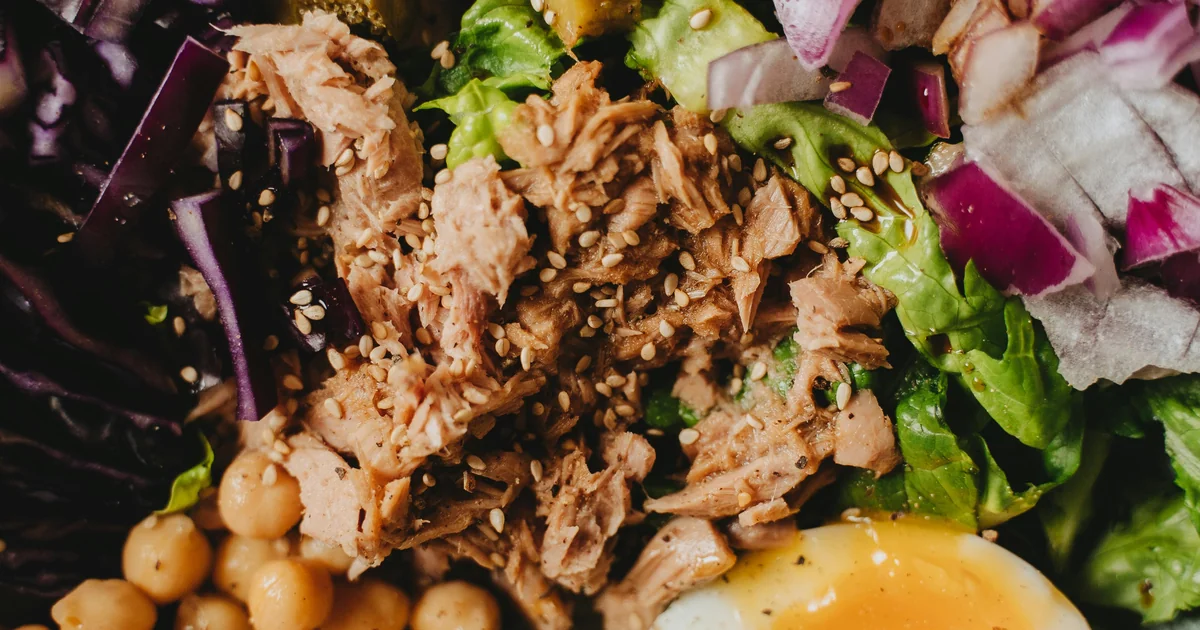
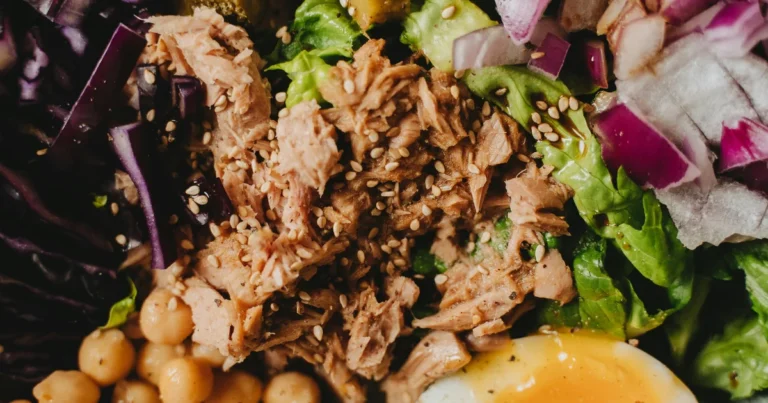
Canned tuna is one of the most reliable budget proteins in Canada. It’s shelf-stable, requires no cooking, and can go into salads, pasta, rice bowls, and wraps without much effort. The protein content is high and the cost per gram of protein is among the lowest you’ll find.
Sardines are worth trying if you haven’t. They’re often reasonably priced per can, provide useful protein, and are often noted for their omega-3 fat content. The flavour is stronger than tuna, but it works well in pasta or mixed into grain bowls with other bold flavours.
Canned salmon is typically more expensive than tuna, but it comes up on sale regularly. When it does, it’s worth adding a few cans. It’s useful in patties, pasta, or quick lunches.
Oats are not a high-protein food on their own, but they’re a solid supporting protein source for breakfast, and they’re extremely affordable. A large container of rolled oats provides many weeks of breakfasts and stretches your protein budget by keeping meals filling at low cost.
A well-stocked pantry means fewer last-minute decisions — and fewer last-minute expensive decisions. It is easier to stay on budget when there is always one decent meal hiding in the cupboard.
Best Fridge Protein Staples
Eggs remain one of the most versatile, affordable, and practical protein sources available in Canadian grocery stores. They work at every meal, cook quickly, and hold up well for meal prep. Health Canada says hard-boiled eggs can be stored in a sealed container in the refrigerator for up to one week. Pricing varies by province and store — check your local flyer for the best deal.
Tofu is firm, mild, and takes on whatever flavour you cook it with. It’s one of the more affordable plant-based proteins in Canadian grocery stores, and it’s increasingly available at most major chains. Firm or extra-firm tofu works best for stir-fry, scrambles, and bowls. It doesn’t require marinating, though marinating improves it.
Greek yogurt offers a solid amount of protein per serving, especially in plain, full-fat or 2% versions. The key budget rule: large tubs are almost always significantly better value than individual single-serve cups. If you’re buying single-serve Greek yogurt regularly, switching to a large tub and portioning yourself is one of the easiest ways to cut grocery spending without changing what you eat.
Cottage cheese is underused in Canadian meal prep culture and worth reconsidering. It’s high in protein, mild in flavour, and works in both sweet and savoury applications — as a breakfast base with fruit, stirred into pasta sauce, blended into smoothies, or eaten straight as a snack. Large containers offer much better value than small ones.
Milk is a supporting protein source that most people already buy. It’s not typically thought of as a “protein food,” but it contributes meaningfully if you’re drinking it regularly, adding it to oatmeal, or using it in smoothies. Per litre, it’s usually a stable and affordable grocery item.
Best Freezer Protein Staples
The freezer is where budget protein shopping gets strategic. The point is not to hoard food. The point is to stop buying the same protein at full price every single week when you could buy a little extra during the cheaper weeks.
Bone-in chicken thighs are often more affordable than boneless skinless chicken breast, especially when they are on sale, and they are forgiving to cook — they stay juicy even if slightly overcooked, which matters for meal prep. When they go on sale, buying a larger tray and freezing portions is worth the few minutes of effort.
Ground beef and ground turkey both freeze well and are used in a wide range of meals: chili, taco bowls, pasta sauces, stir-fries. Watch the price per 100g when buying, especially if the package is on a “manager’s special” or end-of-week markdown.
Pork tenderloin is often overlooked, but it’s one of the leaner cuts available and it comes up on sale at many Canadian stores. When it does, it roasts easily and slices well for meal prep throughout the week.
Cooked lentils and beans freeze very well. If you cook a large batch, freeze half in portions. This makes future weeknight meals faster without having to open canned versions.
Frozen edamame is one of the easiest plant proteins to have on hand. It comes pre-shelled in most grocery stores, heats in minutes, and requires no skill or planning. It works as a side, in bowls, or as a straightforward snack.
Frozen vegetables — broccoli, peas, mixed stir-fry blends, corn — are often cheaper than fresh equivalents, produce less waste, and are just as nutritionally useful. They’re not proteins, but they turn any protein-plus-grain combination into a complete meal quickly.
One note: canned fish (tuna, sardines, salmon) does not need freezer space. It belongs in the pantry.
Buy Now vs. Wait for Sale
Not everything needs to be bought at full price. You do not need to predict every flyer perfectly; you just need to know which items are fine any week and which ones are worth waiting for. Here’s a practical framework for Canadian grocery shopping:
Usually fine to buy any week:
- Dry lentils
- Dried beans
- Canned beans
- Canned tuna
- Sardines
- Eggs (unless pricing is unusually high locally)
- Tofu
- Oats
- Rice
- Frozen vegetables
- Cabbage and other affordable produce
Better to wait for sale when possible:
- Chicken thighs
- Ground beef
- Ground turkey
- Pork tenderloin
- Canned salmon
- Large-tub Greek yogurt or cottage cheese (if full price seems high at your local store)
When you see these sale items, that’s the time to buy more than one week’s worth if your freezer allows it. A good sale on bone-in chicken thighs bought in bulk can lower your average weekly protein cost more than almost any fancy budgeting trick.
What to Skip or Limit
A few common grocery items inflate a protein budget without adding proportional value. None of these foods are forbidden; they just should not quietly become the backbone of a budget plan.
Single-serve Greek yogurt cups cost significantly more per gram of protein than large tubs. Switching formats is one of the fastest ways to improve your protein-to-cost ratio.
Protein bars as everyday staples are fine occasionally, but they’re expensive per gram of protein compared to real food, and they don’t replace a proper meal. Treat them as a backup, not a routine.
Pre-cooked chicken strips from the refrigerated deli section cost considerably more than raw chicken you cook yourself. The convenience premium adds up quickly over a week.
Small packages of meat — single chicken breasts, 300g ground beef packages — are almost always priced at a higher per-gram cost than larger family-size packs. Buying larger and freezing portions saves money.
Branded “high protein” snacks (chips, cookies, bars) are typically expensive per gram of protein and often marketed harder than they perform. Eggs, cottage cheese, tofu, lentils, and canned fish are more practical staples for the money.
Buying five different sauces for one week spreads your budget thin and usually leads to half-used jars sitting in the fridge. A small selection of versatile condiments — soy sauce, hot sauce, garlic, dried spices — does more work at lower cost.
Protein powder can be a practical supplement for some people, particularly when whole food protein is genuinely inconvenient. It’s not required for a high-protein diet, and it shouldn’t crowd out real food in your grocery budget. If you find it useful, it can fit in a budget — but it’s a support tool, not a staple.
Sample $50-ish Budget Protein Grocery Basket
This is an example structure, not a guaranteed current price. Grocery costs vary by province, store, and sale cycle. Verify with your local flyer or store app before shopping.
| Item | Estimated Role |
|---|---|
| Dry lentils or dried beans (1 bag) | Pantry protein foundation |
| Eggs (1 dozen or larger tray) | Versatile fridge protein |
| Canned tuna (3–4 cans) | No-cook pantry protein |
| Tofu (1–2 blocks) | Plant-based fridge protein |
| Greek yogurt or cottage cheese (large tub) | Breakfast and snack protein |
| Rice (large bag if needed) or oats | Carb base for the week |
| Potatoes | Affordable filling carb |
| Frozen vegetables (1–2 bags) | Meal builders with no waste |
| Cabbage or carrots | Affordable produce volume |
| One sauce or flavour item (soy sauce, hot sauce, canned tomatoes) | Keeps meals from getting repetitive |
If chicken thighs or ground beef are on sale this week, you might swap the second tofu block or adjust another item to include a small tray. The structure stays consistent — the specific items shift based on what’s marked down. That is the point: the cheapest grocery list is not the smallest one, it is the one you actually use before food goes bad.
Adjust based on household size, dietary preferences, and what you already have in the pantry.
How This Grocery List Turns Into Meals
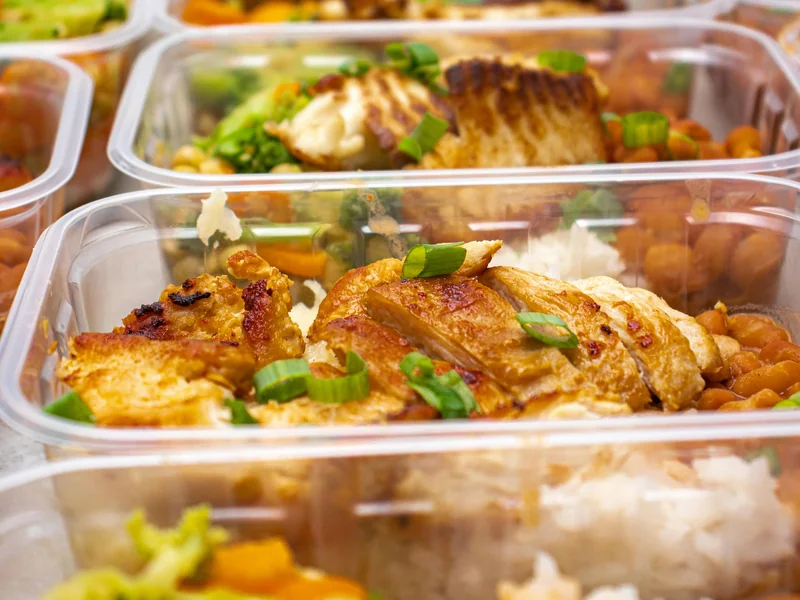
The items above aren’t just a list — they combine into repeatable, practical meals throughout the week. These are not full recipes because the exact groceries will change with your store, your flyer, and what is already in your kitchen. Think of them as directions you can reuse:
Lentil rice bowls: Cook lentils with onion, garlic, and spice. Serve over rice with roasted frozen vegetables and a drizzle of soy sauce or hot sauce. Works for lunch or dinner, reheats well.
Tuna and bean bowls: Drain canned tuna and canned beans. Combine with chopped cabbage or carrot, olive oil, and lemon or vinegar. Serve over rice or with bread. No cooking required beyond the rice.
Tofu stir-fry: Cube firm tofu, pan-fry until golden, add frozen stir-fry vegetables and soy sauce, serve over rice. Simple, fast, and high in protein for a plant-based meal.
Egg and cottage cheese breakfast: Scrambled eggs alongside cottage cheese, or mixed together as a scramble. Add hot sauce or chopped vegetables. High protein, no prep time, ready in under ten minutes.
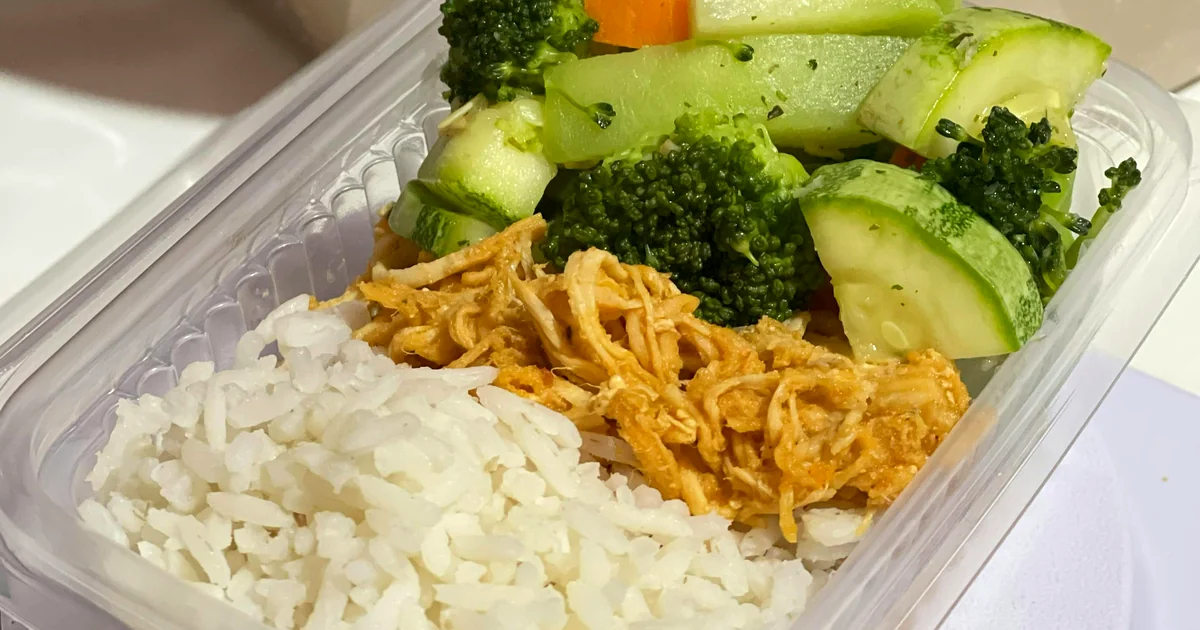
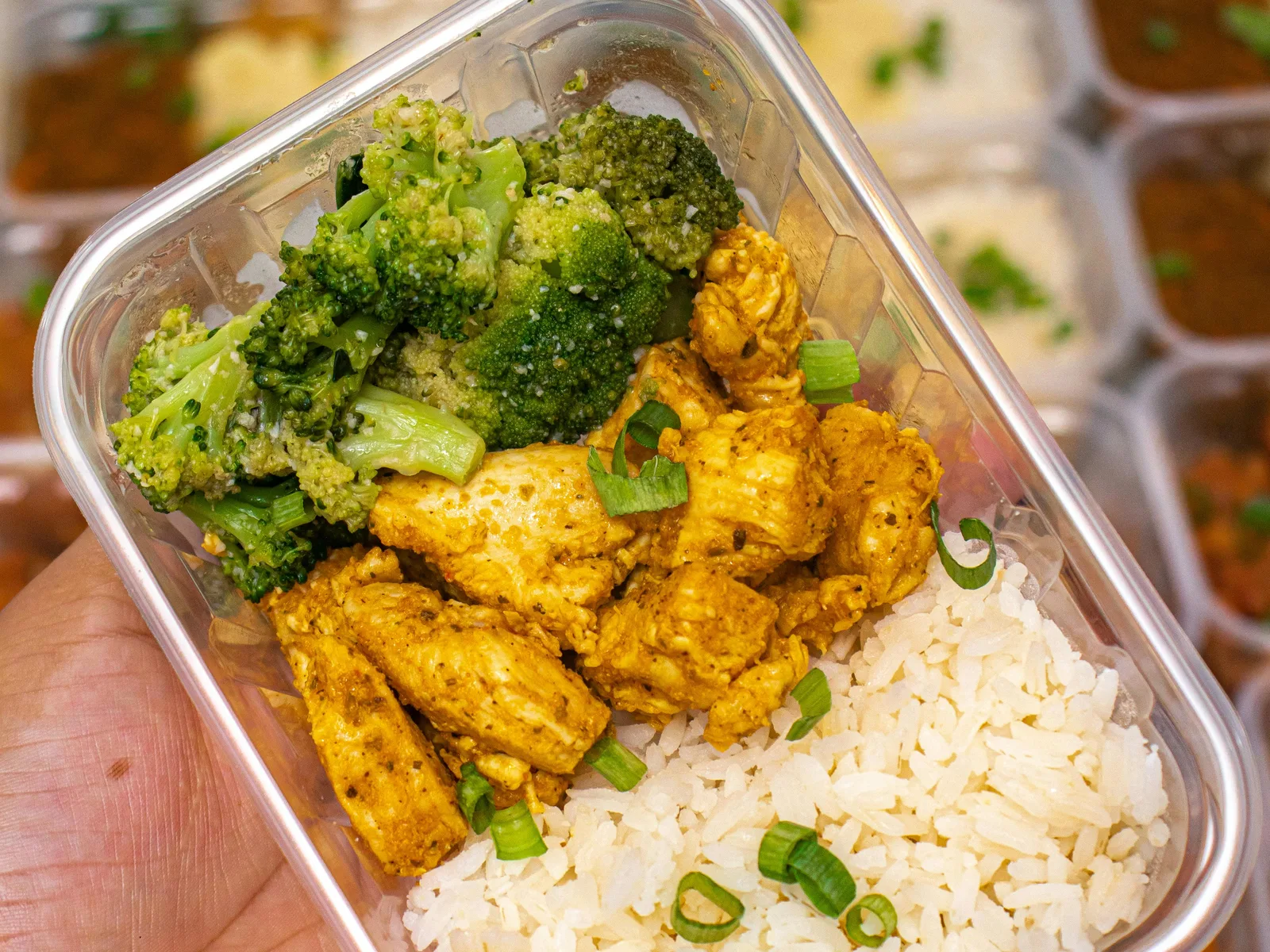
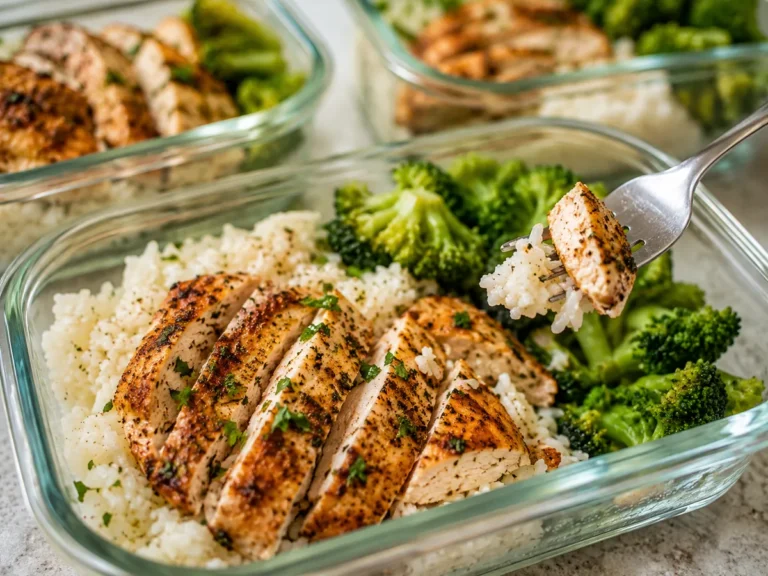
Chicken thigh freezer meal prep: When chicken thighs are on sale, season a full tray and bake at once. Portion into containers with rice and frozen vegetables. Reheat across the week without daily cooking effort.
These aren’t recipes — they’re meal formulas. The same structure works with whatever combination of staples is available that week, which is what makes the list useful after the first grocery trip. For a full prep walkthrough using these staples, see Cheap High-Protein Meal Prep in Canada.
Frequently Asked Questions
What are the cheapest protein groceries in Canada?
Dry lentils, dried beans, canned tuna, eggs, and sardines are often among the more affordable protein sources available at Canadian grocery stores — frequently strong choices on a cost-per-gram basis. Tofu and cottage cheese also rank well for cost relative to protein content. Prices vary by province, store, and flyer cycle.
What protein foods should I keep in the pantry?
Dry lentils, canned beans, canned tuna, and sardines are the most practical pantry proteins for Canadian shoppers. They have long shelf lives, require no refrigeration, and are versatile enough to build quick meals even when the fridge is low. Oats are worth keeping as a breakfast staple with supporting protein.
Is chicken breast necessary for a high-protein grocery list?
No. Chicken breast is one option, but chicken thighs offer similar protein content at a lower price per gram and are often more practical for meal prep. For fully plant-based eaters, lentils, tofu, beans, and dairy (if applicable) can cover protein needs without any chicken at all.
Are canned beans worth buying if dry beans are cheaper?
Yes, depending on your week. Dry beans are cheaper per serving but require soaking and longer cooking time. Canned beans cost a bit more but are ready to use immediately. Both have a place: buy dry beans for planned batch cooking, and keep a few cans on hand for quick meals. Neither is a waste.
What high-protein foods should I buy on sale?
Chicken thighs, ground beef, ground turkey, pork tenderloin, and canned salmon are the items most worth waiting for or stocking up on when they go on sale. Large-tub Greek yogurt and cottage cheese are also worth watching for promotional pricing. Staples like dry lentils, canned tuna, and eggs are generally fine to buy at regular prices.
What should students buy for cheap protein?
For students working with a tight budget: dry lentils, canned tuna, eggs, canned beans, oats, and a large tub of Greek yogurt or cottage cheese cover a strong weekly protein base without much cooking complexity. Rice, potatoes, and frozen vegetables round out the meals. These items are available at most Canadian grocery chains and don’t require cooking equipment beyond a pot and a pan.
Can I build a high-protein grocery list without protein powder?
Yes. Whole foods — eggs, lentils, beans, tofu, canned fish, dairy — provide all the protein most people need from a grocery list. Protein powder can be a convenient supplement, but it’s not a requirement. If your grocery budget is limited, prioritizing whole food proteins over powders generally gives you more volume of food and more nutritional variety for the same spend.
Sources and Methodology Notes
Protein content references in this article are informed by the Health Canada Canadian Nutrient File, which provides standardized nutrition data for foods commonly consumed in Canada. Exact protein values vary by brand, preparation method, and specific product label.
General guidance on affordable protein choices is consistent with Canada’s Food Guide protein foods guidance, which includes options such as beans, lentils, eggs, fish, poultry, milk products, nuts, and seeds.
The hard-boiled egg storage note in this article references Health Canada’s egg safety guidance, which says hard-boiled eggs can be stored in a sealed container in the refrigerator for up to one week.
If you eat canned tuna frequently, review Health Canada’s mercury in fish guidance, especially for canned albacore/white tuna and for children, pregnancy, or breastfeeding.
Grocery pricing guidance in this article does not cite specific current prices, as prices vary meaningfully by province, store chain, flyer cycle, and time of year. Readers should verify current pricing with their local grocery store flyer, store app, or price-matching tools before shopping.
The “buy now vs. wait for sale” framework in this article reflects general patterns in Canadian grocery shopping and is not a guarantee of any specific discount schedule. The goal is practical decision-making, not perfect price prediction.